Select self-stick sheets with a density of at least 80–100 gsm and a face stock thickness between 70–90 microns to achieve clean die-cut edges and stable feeding through laser or inkjet devices. For barcodes and QR codes, use a matte coating to prevent glare during scanning; gloss finishes are better suited for color-rich branding where image saturation matters. A permanent acrylic tack rated for temperatures from -20°C to +80°C ensures firm bonding on cardboard, glass, and most plastics.
For warehouse logistics, choose pre-cut sticker paper in standardized sizes such as A4 (210 × 297 mm) with 24, 40, or 65 pieces per sheet to match SKU density. Thermal-transfer compatible variants support resin ribbons for abrasion resistance, maintaining legibility after 1,000+ handling cycles. If exposure to moisture is expected, polypropylene film with a thickness of 50–60 microns resists tearing and maintains dimensional stability better than paper-based stock.
Design files should be prepared at 300–600 dpi with vector fonts embedded to avoid pixelation along curved die lines. Maintain a 2–3 mm safe margin inside the cut contour and a 1.5 mm bleed zone for full-coverage backgrounds. For small-format branding tags below 30 × 30 mm, prioritize high-contrast typography (minimum 6 pt sans-serif) to preserve readability after trimming and application.
Storage conditions directly affect bonding performance: keep unused sticker sheets at 18–22°C and 40–60% relative humidity to prevent curl and liner separation. Shelf life typically ranges from 12 to 24 months depending on adhesive chemistry. Controlled pressure during application–approximately 15–20 N/cm²–improves surface contact and reduces air entrapment on uneven substrates.
Pressure-Sensitive Sheets: Practical Guide to Selection, Printing, and Application
Choose stock thickness between 60–80 microns for office laser devices and 80–100 microns for ink-based machines; this range feeds smoothly without curling and keeps edges sharp after cutting.
Surface coating determines ink behavior: matte finishes reduce glare and work well for barcodes, while glossy films enhance color density for retail packaging. For refrigerated or outdoor use, select polymer films rated for −20 °C to +80 °C, as paper carriers absorb moisture and lose grip.
Use a resolution of 600 dpi for text-heavy designs and 300 dpi for large graphics to balance clarity and speed. Disable automatic scaling in the driver panel, set margins manually, and run a single test sheet to confirm alignment before batch output.
Apply sheets only on clean, dry substrates with surface energy above 38 dyn/cm. Wipe plastic or metal with isopropyl alcohol, wait 30 seconds, then press from center outward using 15–20 N of hand pressure to avoid air pockets.
For durability, allow a 24-hour curing period before exposure to abrasion or moisture. Store unused sheets flat at 18–22 °C and 40–55 % humidity; sealed packaging prevents edge lift and preserves tack for up to two years.
How to Choose the Right Printable Adhesive Label Material for Inkjet and Laser Printers
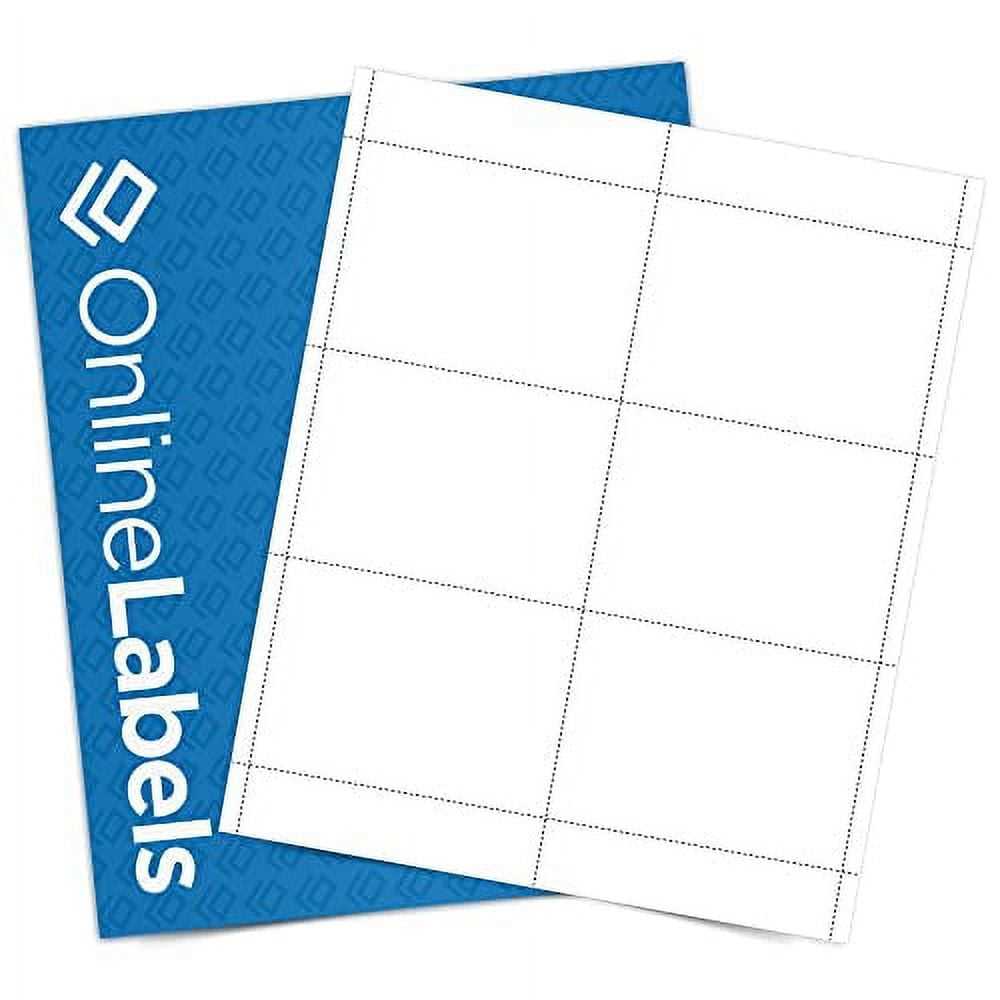
Choose coated paper stock with a temperature-resistant pressure-sensitive backing for laser devices, and dye-receptive matte film for inkjet units; this single decision prevents toner cracking above 180 °C and stops ink feathering at 300–600 dpi.
Laser engines fuse dry powder through heat and pressure, so paper or polyester sheets must tolerate short bursts near 200 °C without curling or bleeding oils from the bonding layer. Acrylic-based backings outperform rubber-based ones under these conditions, keeping edges flat through duplex passes. For inkjet hardware, water-based inks demand porous or specially treated surfaces; uncoated paper causes dot gain beyond 20%, while inkjet-grade matte film keeps line sharpness below 5% spread. Check caliper thickness: 90–100 µm feeds cleanly in office trays, while anything above 120 µm risks misfeeds. For long runs, sheet-cut formats reduce static buildup compared to rolls. Color-critical work benefits from bright white substrates with a whiteness index above 150, while warehouse marking favors polypropylene for tear resistance and smear-free handling within seconds of output.