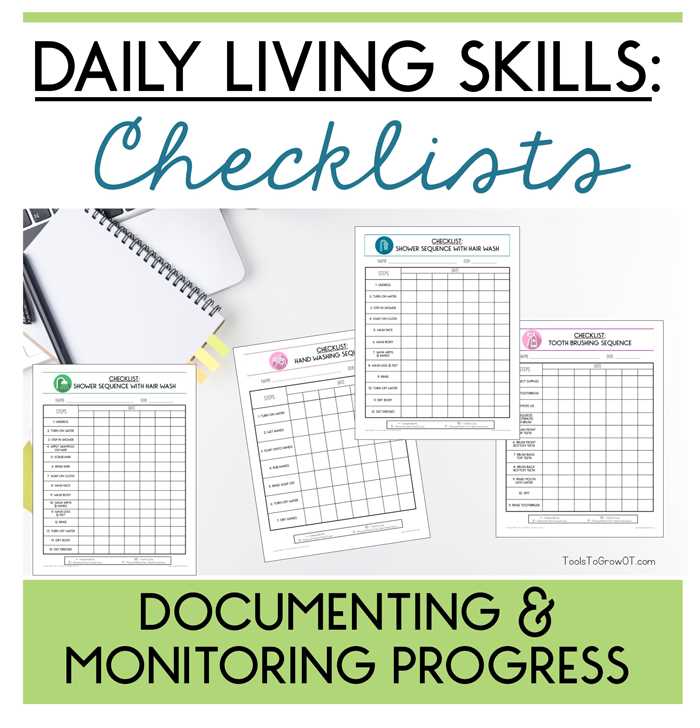
For caregivers and healthcare professionals, tracking a patient’s ability to perform daily tasks is critical. Using a structured form can help monitor progress, identify challenges, and ensure proper care. Here’s how to make the most of a simple, printable tool designed to assess the functional skills of individuals who need assistance in daily living activities.
Steps to Create a Functional Skills Assessment Sheet
Creating an organized document that reflects key areas of daily living is easy. Start by listing the main categories: personal care, mobility, hygiene, meal preparation, and communication. Under each section, provide a series of tasks that are specific and measurable. For example, in the “personal care” section, include items like “ability to brush teeth independently” or “manage dressing without assistance.” This allows the caregiver to quickly assess the individual’s capabilities in a real-world setting.
Make sure to allow space for recording progress or challenges for each activity. This could be as simple as a yes/no column or a scale indicating the level of assistance required. The goal is to get a clear snapshot of where support is most needed, and where the individual might be improving or thriving.
Using the Worksheet in Real-Life Care Settings
To get the best results, caregivers should use the assessment regularly. Check in with the individual at least once a week and update the form with any changes. This practice helps detect subtle shifts in the individual’s abilities and allows caregivers to adjust the care plan as needed. The worksheet should be easy to read and quick to fill out, so it doesn’t become an overwhelming task.
In addition to tracking physical tasks, also make room for social and emotional well-being. Assess the person’s ability to engage with family, maintain relationships, and handle household communication, such as using a phone or computer. These elements provide a more complete view of an individual’s daily life and can be pivotal in creating a holistic care plan.
Benefits of Using a Daily Living Skills Tracker
- Helps identify patterns: Regular use reveals trends in an individual’s abilities, helping predict future needs and adjust care strategies accordingly.
- Improves communication: It allows caregivers to share precise data with other healthcare providers, ensuring coordinated care across teams.
- Boosts independence: Monitoring progress helps caregivers know when to step back and encourage more self-sufficiency in a safe manner.
Customizing for Specific Needs
If you care for someone with unique challenges, such as memory loss or physical disabilities, tailor the form to those needs. For example, for someone with dementia, you might want to focus more on cognitive tasks, like memory or recognition of familiar objects. For a person with mobility issues, categories such as “transfer from bed to chair” or “move through the house” could be critical for tracking. The more specific the sheet is to the individual, the more effective it will be for monitoring and support.
Remember that tracking skills is not just about filling out forms; it’s about providing better care and adjusting support where it’s needed most. A simple daily living assessment tool can make a huge difference in improving quality of life for both the individual and the caregiver.
How to Design an Activity Tracking Sheet for Daily Living Tasks
To create a useful form for tracking daily tasks, begin by identifying key areas where support may be needed. Common categories include personal hygiene, mobility, meal preparation, and household chores. Organize these tasks into sections that make it easy to monitor a person’s progress in each area. Each task should be clear and measurable, allowing caregivers to quickly assess the level of assistance required.
For example, under personal hygiene, list tasks like “brushing teeth,” “combing hair,” or “showering independently.” You can use simple yes/no responses or a scale to rate the degree of support necessary. This makes it straightforward to track improvements or regressions over time. Be specific with your phrasing–e.g., “Can the person bathe without assistance?” rather than vague terms like “ability to maintain hygiene.”
Another important aspect is creating a section for mobility. This can include tracking the person’s ability to move independently between rooms, get in and out of bed, or use a walking aid. For mobility, focus on movements that have real-life implications, like the ability to walk up a staircase or navigate obstacles like doorways or uneven floors.
For those with cognitive or sensory challenges, incorporate questions that evaluate communication and interaction with others. This could include “Can the individual recognize family members?” or “Is the person able to follow a basic conversation?” These aspects are just as important as physical capabilities, and monitoring them ensures a holistic view of the individual’s abilities.
Once you’ve listed the tasks, it’s important to keep the format simple and uncluttered. A clean, easy-to-follow layout will make it easier to record daily observations. Include columns where caregivers can mark completion, note any issues, or highlight tasks that need further support. This format ensures you stay organized and that no task gets overlooked.
Make the form adaptable. Depending on the person’s condition, you may need to modify the tasks listed. For instance, someone with memory loss might require more frequent reminders and checks, whereas a person with physical limitations might have a greater need for mobility-related support. This flexibility will help caregivers assess the specific needs of each individual.
By regularly updating the form, caregivers can track progress and adjust the level of care needed. This will also help in future discussions with healthcare providers, as it provides concrete data on the individual’s status. Ultimately, a well-organized tracking sheet is an invaluable tool in managing daily living tasks and improving overall care.