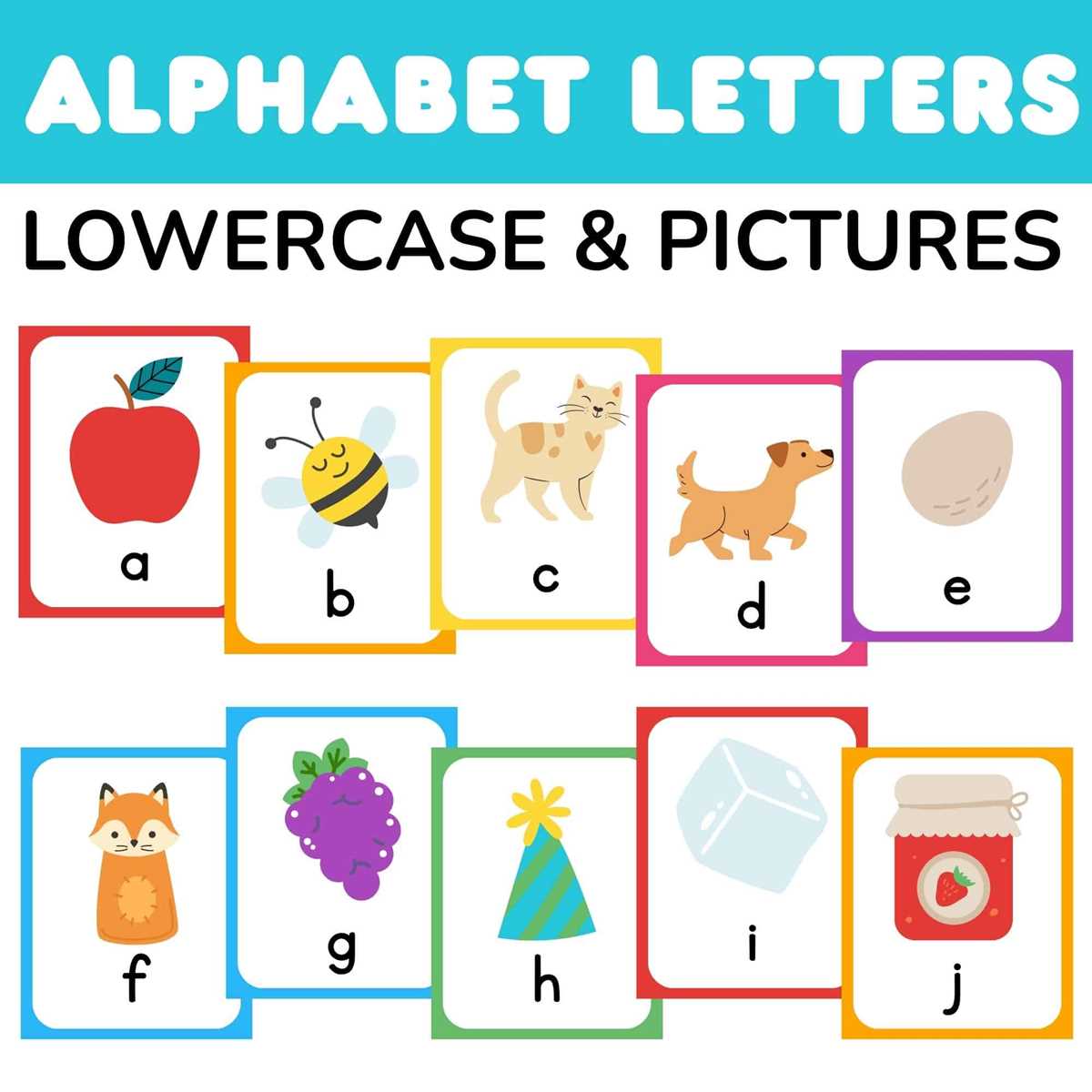
Download a clean A–Z character set in both uppercase and lowercase, size each symbol to at least 7–10 cm tall, and print on 200–250 gsm cardstock for daily classroom use. Clear sans serif fonts such as Arial or Century Gothic reduce visual confusion between similar forms like b and d, while generous spacing around each symbol supports accurate recognition.
Include one grapheme per sheet side and add a small matching image cue only if it reflects the most common sound. For example, pair “A” with apple rather than less frequent options. Keep background white and limit decorative elements; high contrast black ink improves visibility from a distance of 2–3 meters during group activities.
Laminate each sheet with 80–125 micron pouches and trim corners to prevent bending. Organize the full character set with rubber bands or small storage boxes labeled by vowel and consonant groups. This setup allows quick sorting for phonics drills, spelling practice, and timed recognition games without searching through mixed materials.
Printable Alphabet Letter Cards
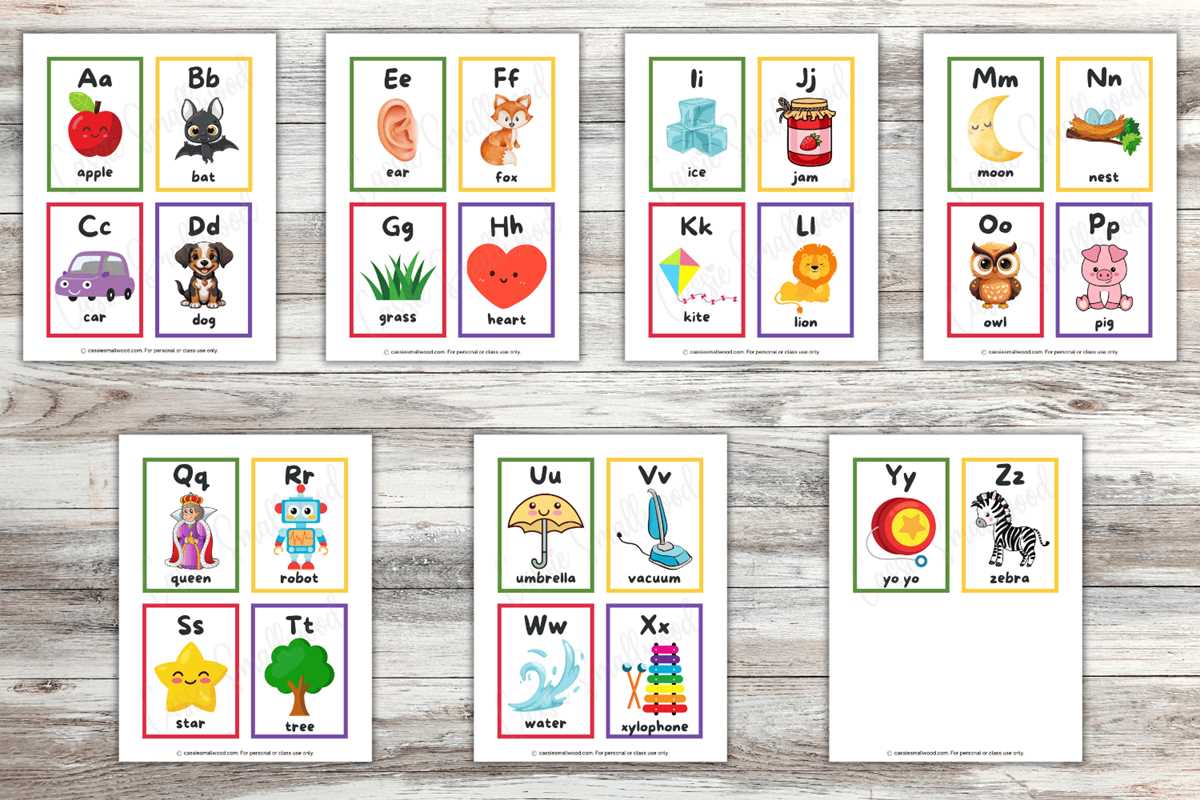
Choose a bold sans serif typeface with clear character shapes and set each glyph to fill at least 70 percent of the page area. Maintain margins of 1–1.5 cm on all sides so children can hold each piece without covering the symbol. Use black ink on white stock for maximum contrast during group drills.
Print uppercase and lowercase forms on separate sheets to prevent visual overload. For early readers aged 4–6, introduce 5–7 symbols per week and rotate them daily through quick recognition rounds lasting 3–5 minutes.
Pair each grapheme with one high-frequency sound example placed in small text beneath the main character. Keep the cue word under six letters and avoid complex blends at the beginning. This supports phonemic awareness while keeping attention on the primary mark.
Use 200–250 gsm cardstock for durability and laminate with 100 micron film if the set will be handled by groups of more than ten learners per session.
Cut corners into rounded edges with a 5 mm radius punch to reduce wear and prevent sharp tips. Store vowels in one labeled envelope and consonants in another to speed up sorting during spelling exercises.
Create duplicate copies of frequently used symbols such as vowels and common consonants like S, T, and R. A classroom spelling activity with simple CVC words requires at least four copies of each vowel and two of high-frequency consonants.
Incorporate color coding by phonetic category rather than random decoration. For example, print short vowel symbols on light blue stock and consonants on white to help children group sounds visually without distracting graphics.
Review the full A–Z sequence weekly using timed sequencing tasks: mix the set, ask learners to arrange all symbols in order, and measure completion time. Track progress across four weeks to monitor speed and accuracy gains.
How to Design and Format Printable Alphabet Letter Cards for Clear Letter Recognition
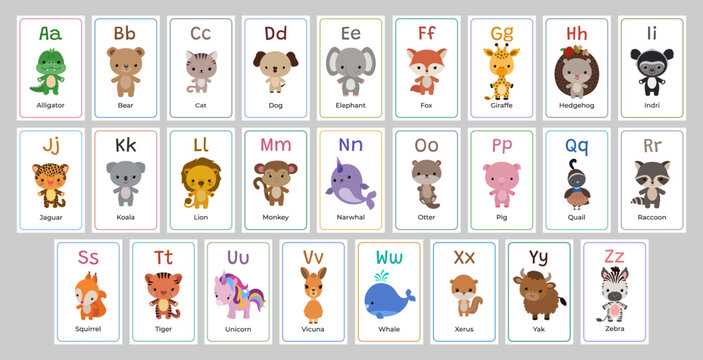
Use a clean sans serif font with distinct glyph shapes and set each character height between 8–12 cm for group visibility. Keep stroke width consistent and avoid decorative scripts that blur differences between similar forms such as b/d, p/q, or i/j. Maintain a white background and at least 300 dpi resolution to prevent pixelation after printing.
- Place one symbol per sheet side with centered alignment.
- Leave 10–15 mm margins on all edges to avoid trimming errors.
- Use black or very dark gray ink for maximum contrast.
- Add a small lowercase or uppercase counterpart in the corner only after mastery of single-form recognition.
- Limit visual elements to one cue image no larger than 20 percent of the layout.
Standardize dimensions across the full A–Z set, for example 10 × 15 cm per piece, so storage boxes and sorting trays fit evenly. Print test samples and check readability from 2–3 meters; if strokes appear thin, increase weight by one font level rather than scaling size. Laminate with 80–125 micron film and round corners to preserve shape clarity after repeated handling.