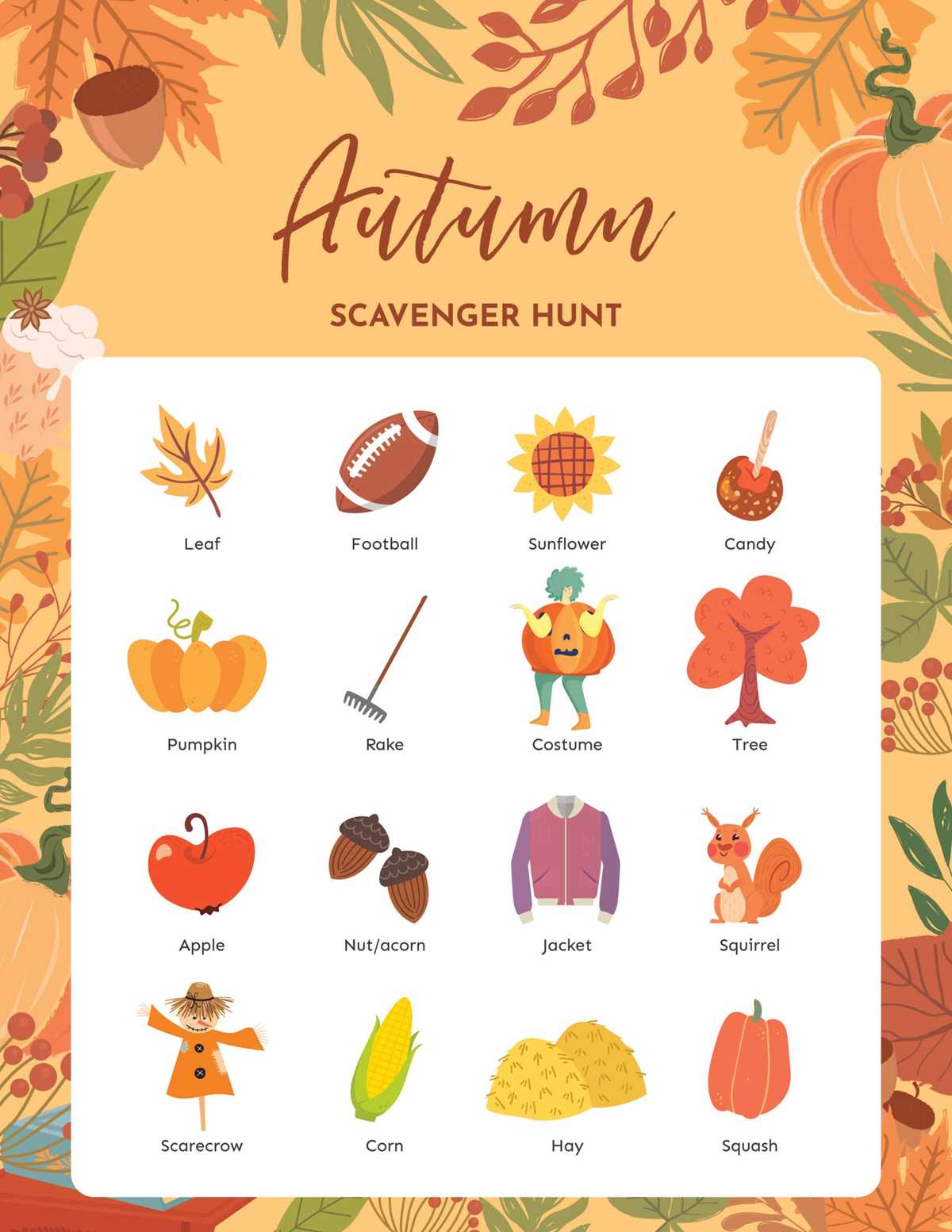
Start with a list of common objects found during this time of year, such as fallen leaves, acorns, or pinecones. Create a checklist that participants can follow while exploring the outdoors. Customize it with different categories like colors, textures, or shapes to make the activity even more engaging.
How to Organize an Exciting Outdoor Exploration
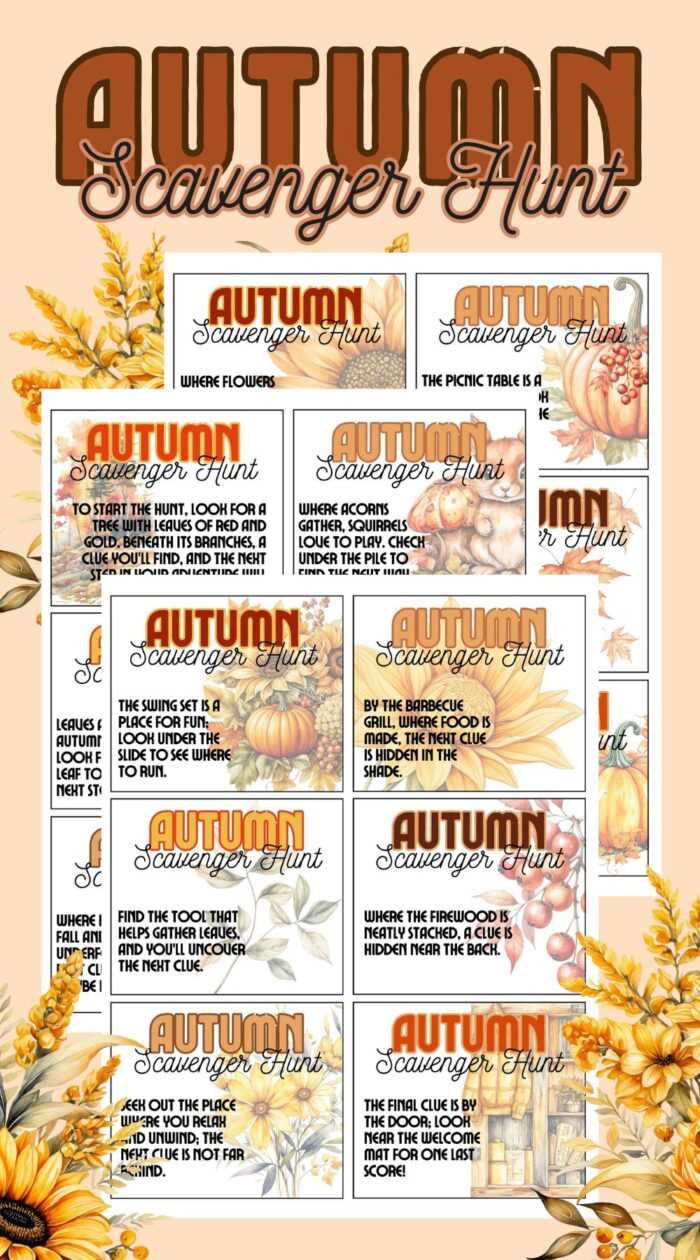
Gather participants and set clear boundaries for where they can search. Whether in a park, forest, or backyard, make sure the area is safe and offers a variety of natural items to discover. You can even set up stations along the way, each featuring different challenges or items to find, keeping the group engaged throughout.
Provide small baskets or bags for everyone to collect their findings. This adds an element of fun as participants track their progress. Be sure to include a timer for added excitement–participants will be more motivated to gather items quickly when racing against the clock.
Creative Ways to Enhance the Activity
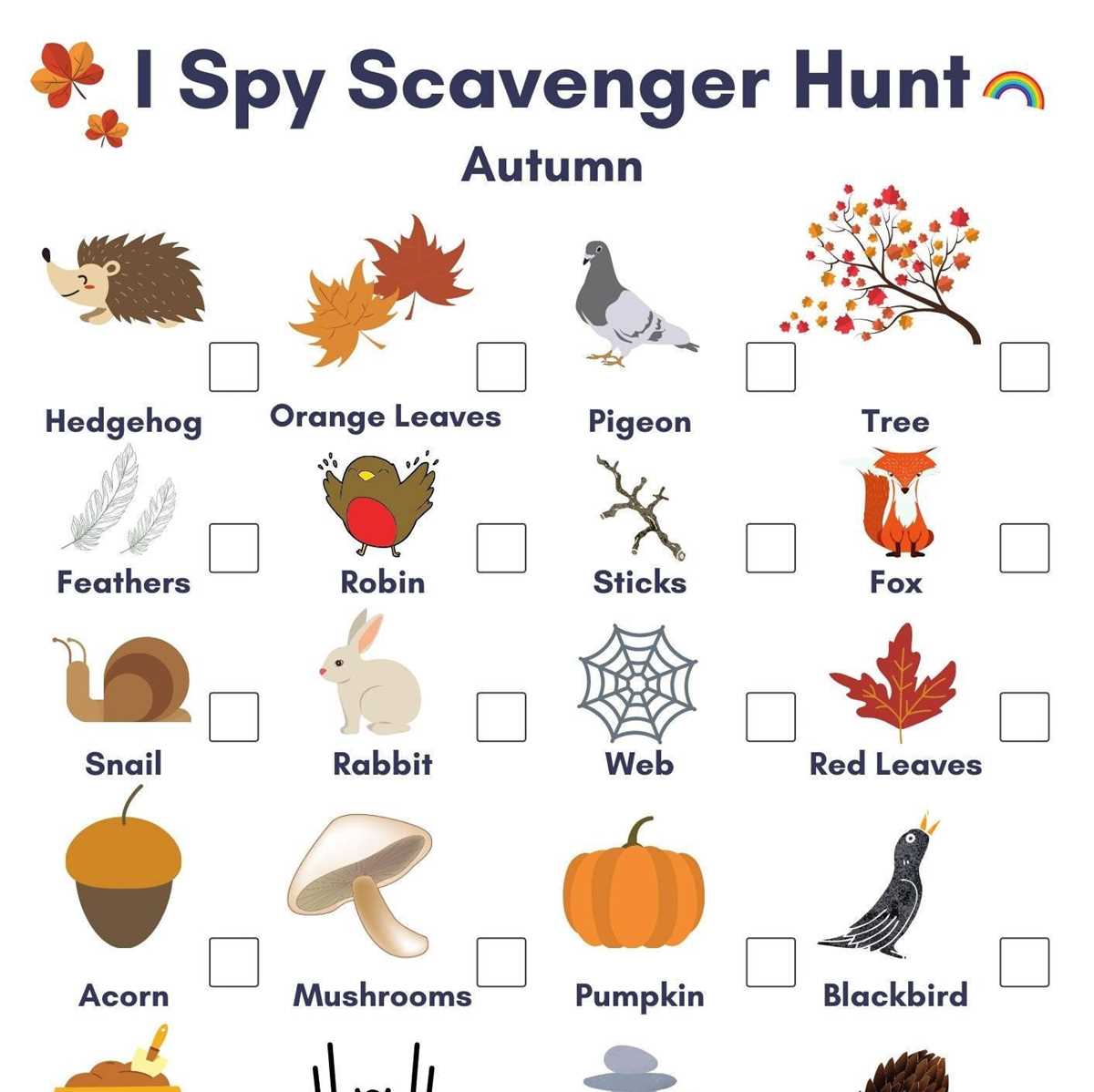
Introduce a theme for the hunt. For example, have participants search for specific items like “nature’s artwork” (leaves with unique patterns) or “miniature creatures” (insects or small animals). This adds an educational twist while keeping the activity interesting.
Another fun idea is to include some scavenger tasks that require participants to interact with their environment. For instance, “find something smooth and round” or “find something that makes a sound when you shake it.” These challenges encourage observation and exploration, making the experience both educational and enjoyable.
Don’t forget to reward participants at the end! Offer small prizes for those who find the most items or for the most creative observations. This reinforces a sense of achievement and makes the whole activity more memorable for everyone involved.
Creative Ideas for a Seasonal Nature Exploration
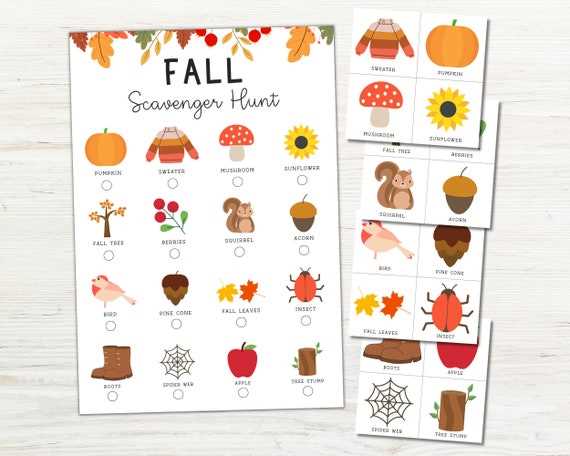
Make the experience interactive by asking participants to find items that reflect the changing colors of the season. For example, they can search for different shades of red, orange, yellow, or brown. This allows them to engage with the environment while learning about natural color transitions.
Incorporate textures into the challenge. Have participants look for soft, rough, smooth, or bumpy objects. For instance, soft moss, rough tree bark, or smooth pebbles. This enhances sensory engagement and gives participants a chance to explore textures in nature.
Offer a list of natural items to discover, such as seeds, feathers, or animal tracks. Include an item that requires participants to observe carefully, like spotting a specific type of bird or identifying a particular flower still blooming in the cooler weather.
Add a fun twist by asking participants to collect objects that make a sound, like crunchy leaves, acorns falling to the ground, or branches swaying in the breeze. This challenges them to tune into the sounds of the outdoors and adds an auditory dimension to the search.
Consider adding a task that encourages creativity, like finding an object that resembles a shape or object, such as something that looks like a heart, star, or animal. Participants will enjoy the challenge of finding nature’s hidden shapes and patterns.
If you have access to a wooded area, ask participants to identify trees or plants based on their leaves or other features. This encourages learning about local flora while promoting observation skills and outdoor education.
For an educational component, add a challenge that involves identifying different species of insects or animals, such as tracking animal footprints. This activity combines learning with exploration, making it both fun and informative.
Finally, provide small prizes or certificates for completion. This adds motivation and recognition for participants’ efforts, making the activity even more rewarding. Whether they complete the entire list or simply enjoy the time spent outside, the experience will be memorable and enriching for all involved.