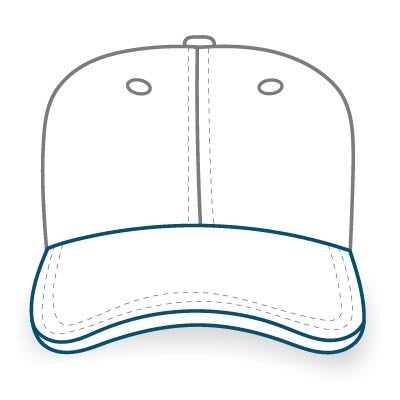
Choose mid-weight cotton twill or poly-cotton blends with a tight weave (180–220 g/m²) if you want clean, repeatable graphics on curved-brim headwear. These fabrics hold ink without bleeding, tolerate multiple wash cycles, and keep panels stable after heat exposure. Six-panel builds with reinforced front sections give sharper logos than soft, unstructured designs.
For small batches, direct-to-fabric inkjet delivers photo-grade gradients and fast setup; expect best results at 1200–1440 DPI with white underbase on dark tones. Sublimation suits light polyester styles and locks color into fibers, preventing cracking. Avoid heavy plastisol layers on the crown; thin, flexible ink films reduce distortion across seams.
Color planning matters on curved peaks: test swatches at 90–110% scale to compensate for visual shrinkage near stitching lines. Keep text above 6 pt after curvature, and reserve fine serifs for flat side panels. A contrast ratio above 4.5:1 improves legibility outdoors.
Size consistency streamlines fulfillment. Adjustable closures covering 54–62 cm head circumference fit most adults, while youth ranges start at 50 cm. Pre-shrunk fabrics cut returns by up to 18% after laundering tests. Add a sweatband with moisture-wicking yarns to raise comfort without altering print fidelity.
Packaging influences perceived value. Ship each piece in a breathable sleeve with a brim insert to prevent creasing. Include care guidance: cold wash, mild detergent, air dry. This preserves color density and panel shape across repeated use.
Print-Ready Headwear: Practical Guide for Custom Production
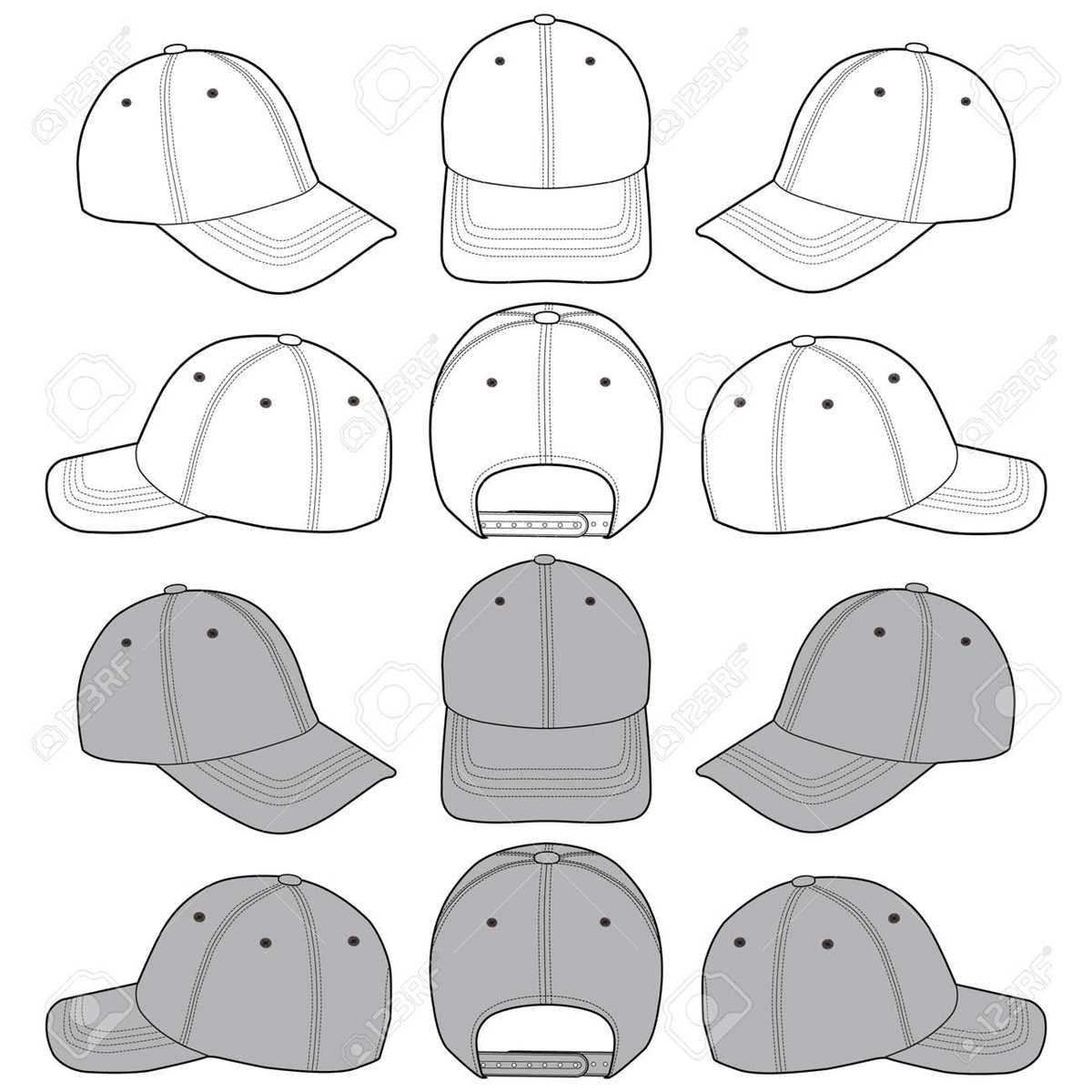
Choose a structured crown with a smooth front panel and a mid-profile fit; this geometry stabilizes ink layers and keeps logos sharp after repeated wear.
- Select blanks made from 100% cotton twill (280–300 gsm) or poly-cotton blends with a tight weave to prevent bleeding.
- Limit artwork width to 90–110 mm on the frontal area; curved seams outside this zone distort fine lines.
- Use plastisol for bold graphics and water-based ink for breathable finishes; flash-cure between layers to avoid tack.
- Set platen pressure to medium and cure at 160–170°C for 60–90 seconds, adjusting for fabric thickness.
- Pre-test adhesion with a 5-wash cycle at 40°C; reject samples showing edge lift or color fade.
Production flow benefits from batching by fabric type and colorway, reducing setup time and misregistration. Artwork should be vector-based with stroke weights no thinner than 0.4 pt to survive curvature. For small runs, heat transfer films cut at 45° blade angle provide clean edges; peel warm to maintain alignment. For larger quantities, screen setups with 110–156 mesh deliver consistent coverage on curved surfaces. Packaging should include crown inserts to preserve shape during transit, while moisture barriers prevent ink blocking.
Choosing Printable Materials and Fabrics for Baseball Caps
Choose cotton twill at 270–300 gsm for clean ink edges and stable panels; its tight weave limits bleed and keeps small lettering sharp after curing. Pre-washed twill reduces shrinkage below 2%, which preserves alignment on six-panel headwear during heat exposure.
For lightweight profiles, polyester at 180–220 gsm accepts transfer films and sublimation dyes with minimal texture interference, while moisture-wicking yarns help maintain color density under sweat. Use low-temp adhesives or water-based screen ink to avoid panel glossing on curved brims.
Blends such as 65/35 poly-cotton balance softness with dimensional stability; they tolerate flash curing without puckering seams. Test opacity with a 120–156 mesh screen to prevent dye migration, especially on dark-toned visors.
Mesh-backed trucker styles require reinforced foam fronts (2–3 mm) laminated with tricot; this surface holds bold graphics without collapse. Avoid open-cell foam for fine lines, since compression during wear can fracture ink films.
For premium finishes, brushed chino or canvas at 300–340 gsm supports embroidery overlays alongside flat graphics; pair with plastisol inks at medium viscosity for uniform laydown on curved crowns. Colorfastness above grade 4 on ISO wash tests keeps branding intact through repeated cleaning cycles.