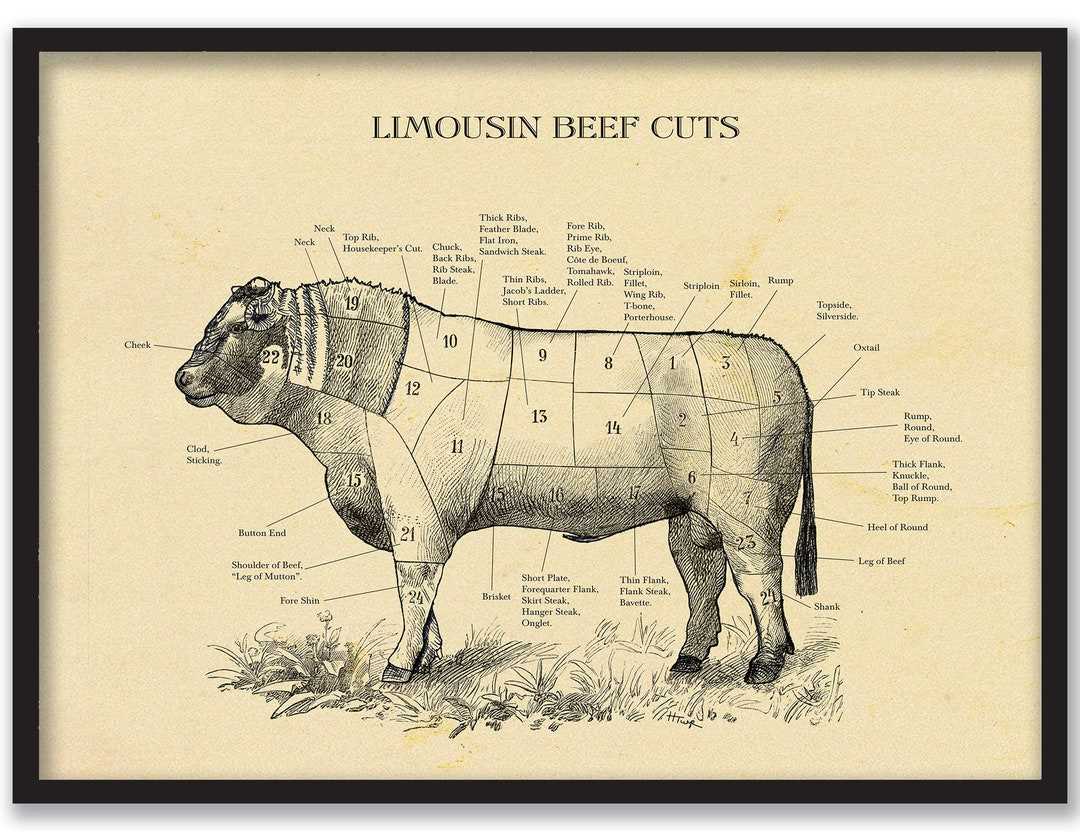
When selecting the right portions from an animal, it’s important to understand where each section comes from and how it should be prepared. For example, meat from the front portion of the animal, like the shoulder or neck, tends to be tougher and better suited for slow cooking methods such as braising. On the other hand, meat from the back, like tenderloin or rib-eye, is more tender and can be cooked quickly, making it perfect for grilling or searing.
Knowing the differences between these portions will help you make informed decisions based on your cooking needs. For a stew or slow-cooked dish, opt for tougher cuts that benefit from extended cooking times. If you’re making a quick roast or grilling, choose cuts that offer more tenderness and marbling, as these will provide more flavor and juiciness with less preparation.
If you’re unsure about the most common cuts and their uses, consider having a reference guide on hand that outlines where each portion comes from and how best to cook it. Such a guide can be an invaluable tool, helping you make the right choice for each meal, whether you’re at the butcher or planning ahead for a family dinner.
Beef Cuts and How to Use Them
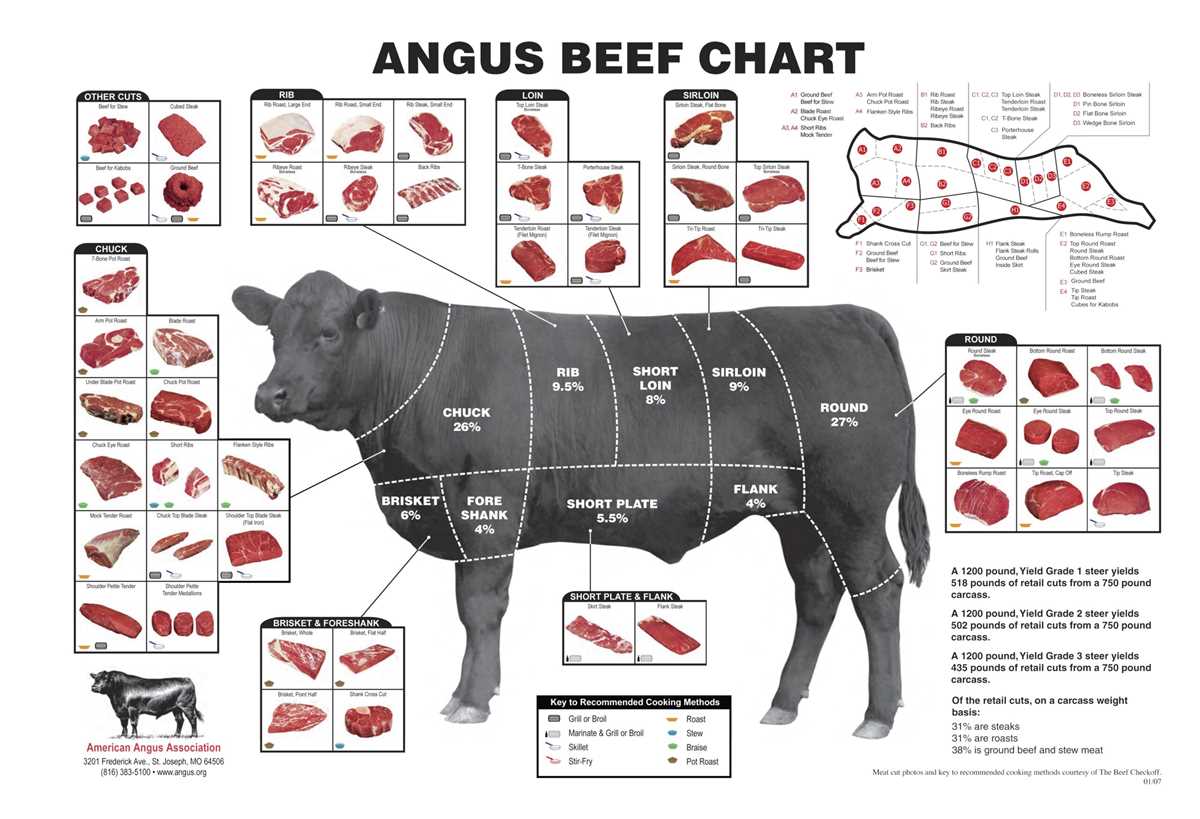
The chuck, often found in the shoulder area, is a great choice for slow cooking. This part is known for its toughness but becomes tender when braised or stewed. If you’re looking to make a hearty, flavorful pot roast or a rich stew, this is your go-to option. The collagen in this portion breaks down over time, resulting in a moist and tender dish.
The rib section, particularly cuts like rib-eye or prime rib, is known for its marbling, which contributes to a juicy and flavorful experience. These cuts are perfect for grilling or roasting. If you’re aiming for a quick, high-quality meal with minimal preparation, choosing a rib cut will provide both tenderness and richness.
If you’re planning a meal that requires a leaner cut, consider the sirloin, located towards the back of the animal. This section offers a balance of tenderness and flavor, making it ideal for grilling, broiling, or stir-frying. While not as fatty as the rib section, sirloin provides a satisfying texture and is versatile for many types of cooking.
Understanding Different Beef Cuts and Their Locations
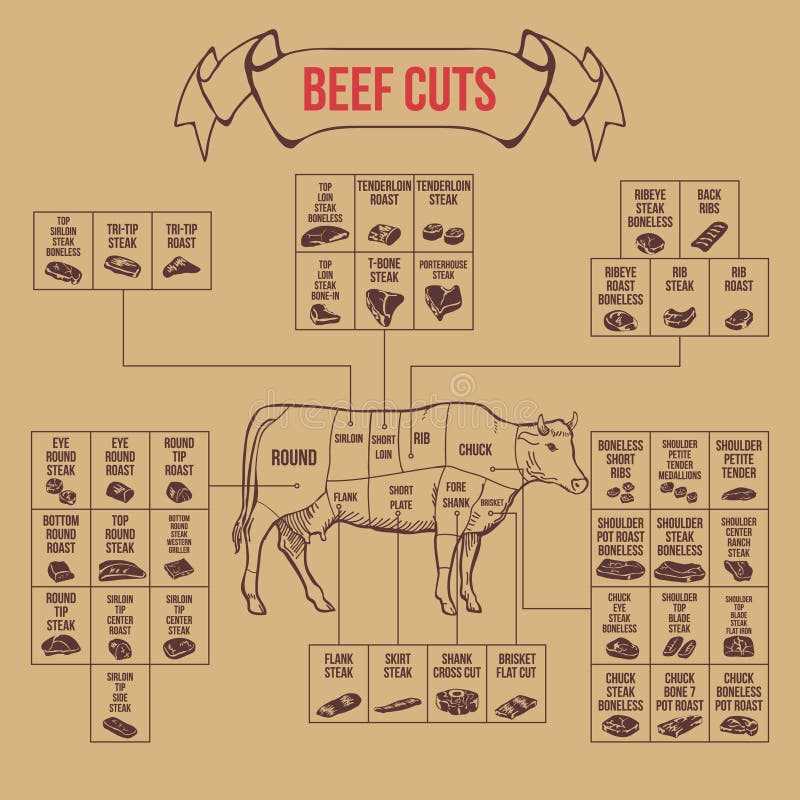
The chuck section, located at the shoulder, is known for its rich flavor. This area works well for slow-cooked dishes such as pot roast or stew. The muscles here are more active, making the meat tougher, but also full of collagen that breaks down during extended cooking, resulting in a tender and flavorful meal.
Rib cuts come from the upper middle part of the animal, offering a higher fat content and tenderness. Prime cuts like rib-eye are well-marbled and perfect for grilling or roasting. These cuts provide a juicy, tender experience due to their fat distribution, making them ideal for quick cooking methods.
Sirloin cuts come from the rear back portion of the animal and strike a balance between tenderness and flavor. This section includes various sub-cuts like top sirloin, which are leaner but still tender. Sirloin works well for grilling, broiling, or pan-searing and is versatile for both casual and formal meals.
The round section, located at the hindquarters, provides leaner cuts with less fat marbling. These cuts, such as the eye of round, are best suited for roasting or slow cooking to retain moisture. Marinating these lean cuts before cooking helps to enhance tenderness and flavor.
Flank and plate cuts come from the lower belly area. These parts are known for their toughness but offer intense beefy flavor. Ideal for stir-frying, grilling, or braising, they should be sliced thinly against the grain to improve tenderness. These cuts are often used for fajitas, tacos, or stews.