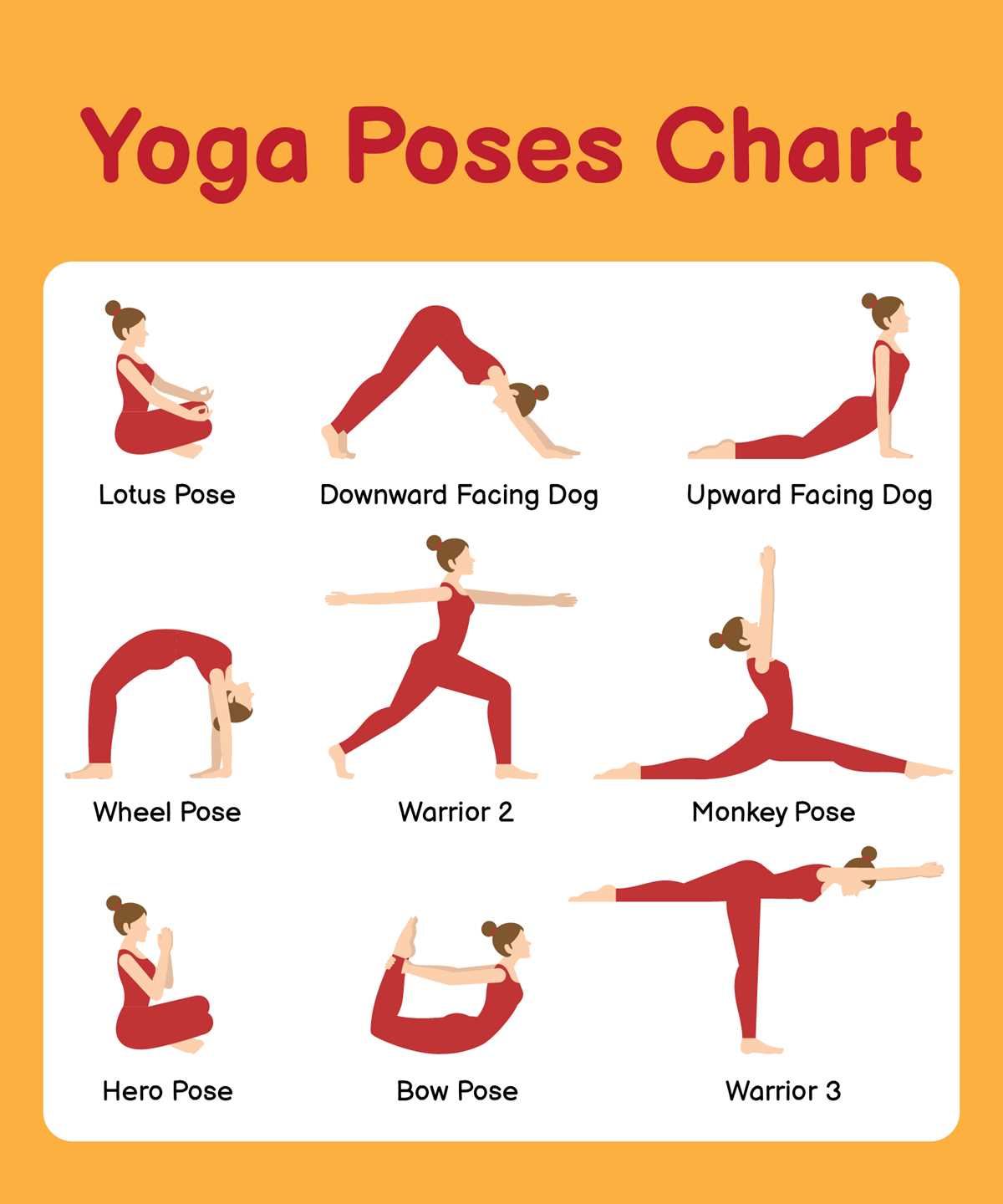
Focus on building a strong foundation with gentle stretches and postures that engage the entire body. Begin with movements that open the chest, stretch the back, and activate the legs. A straightforward flow of positions will improve your flexibility, balance, and endurance while keeping the practice approachable.
Start with a few rounds of cat-cow to warm up the spine, followed by a downward-facing dog to lengthen the hamstrings and engage the shoulders. Transition into high lunges to activate the legs and hips, and finish with a seated forward fold to stretch the lower back and hamstrings. These poses help align the body and cultivate a sense of calm focus.
Each posture should be held for several breaths to allow the body to open up gradually. Aim for at least 10 to 15 minutes of movement to feel the benefits. Adjust the duration and intensity as needed, depending on how the body feels throughout the practice.
HTML
Simple Home Practice Routine for Newcomers
Focus on maintaining steady breath while performing each posture. Begin with a basic stance like Mountain Pose (Tadasana) for grounding, then transition to a Forward Fold to release tension in your lower back. Keep the legs straight but not locked, allowing a gentle stretch along the hamstrings. Move with care into Downward Dog, pressing the heels toward the floor while keeping the body active and the spine long. Hold each position for 5-8 breaths, allowing time to connect your movements to your breathing.
After the initial postures, shift into a low lunge. Begin from Downward Dog, step one foot forward, and keep the knee directly over the ankle. Hold the stretch for several breaths before switching sides. Next, try Child’s Pose to reset your body and mind between postures. Focus on lengthening the spine as you relax into the position. This combination of gentle postures works effectively to build flexibility and strength gradually.
Finish with a seated twist to release any remaining tension in the spine. Sit comfortably on the floor, cross one leg over the other, and gently rotate your torso toward the bent knee. Keep your shoulders relaxed and your spine aligned. Conclude with Corpse Pose, lying flat on your back with arms by your sides, palms facing up. Close your eyes and focus on deep breathing, allowing the body to rest fully. This practice should be repeated 2-3 times a week to see noticeable improvements.
HTML
Step-by-Step Guide for Creating Your First Routine
Begin with a focus on breath. Establishing steady, controlled inhalations and exhalations creates a foundation for every pose. Inhale deeply through the nose, and exhale fully through the mouth. Start with simple postures, like a gentle forward fold or a cat-cow stretch, which prepare the body and mind. As you progress, move into static poses that build strength and stability, such as Downward Dog or Warrior II. Consistency in breath flow keeps the movements grounded and connected.
Once you have the basics down, structure your practice into phases. Begin with a warm-up phase of dynamic stretches, followed by holding poses to strengthen specific muscle groups. Conclude with a few minutes of relaxation in a seated or lying position. A good rule of thumb is to choose 5-8 movements that target all major muscle groups and balance flexibility with strength. Create a rhythm that works for your body, aiming for 10-20 minutes of uninterrupted movement to maintain focus and clarity.