1. Tire Condition
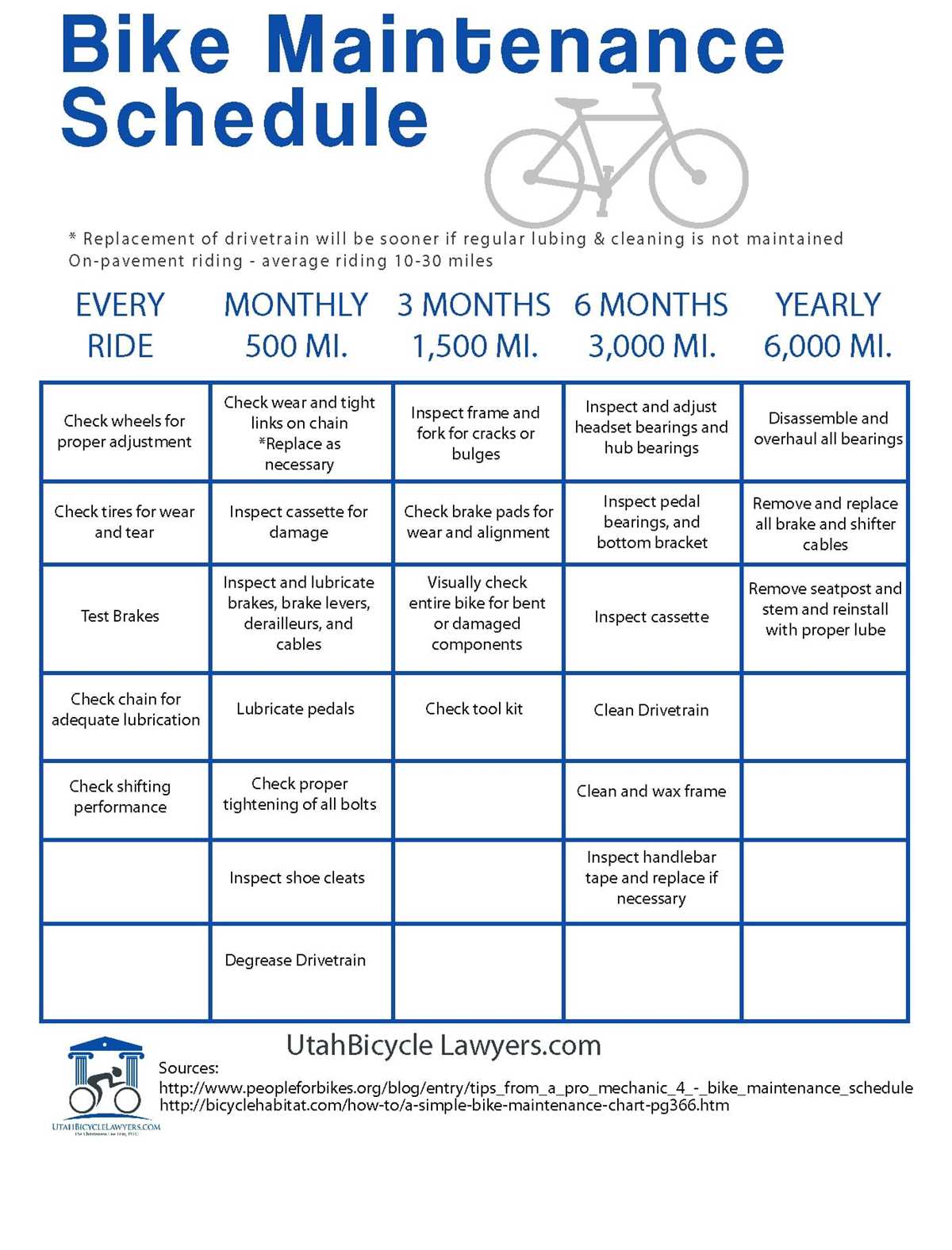
Check the tires for any signs of damage, wear, or punctures. Ensure they are properly inflated by using a pressure gauge. Proper air pressure is crucial for performance and safety. Refer to the manufacturer’s recommended PSI (pounds per square inch) indicated on the tire sidewall. A well-maintained tire helps avoid flats and provides a smoother ride.
2. Brakes
Examine the brake pads for wear. If they are too thin, replace them. Test the brake response by squeezing the lever – there should be firm resistance. Check that the cables are not frayed or loose. For disc brakes, inspect the rotor for warping or damage. Adjust the brake tension if needed to ensure proper stopping power.
3. Chain and Drivetrain
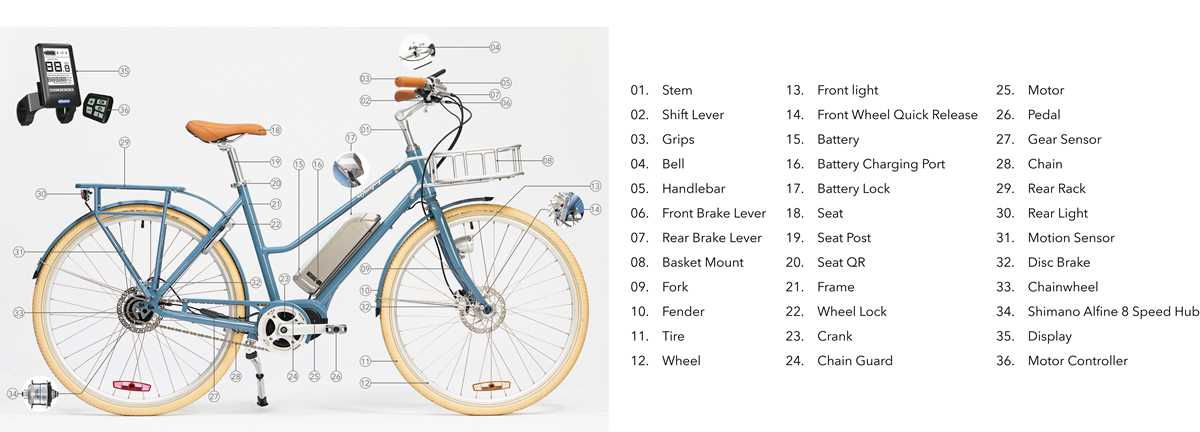
Inspect the chain for rust or wear. A worn-out chain should be replaced to avoid damaging the cassette or chainrings. Lubricate the chain with a bike-specific oil to reduce friction. Test the shifting mechanism by shifting through all gears; make sure the gears change smoothly without skipping. If there’s skipping or grinding, a derailleur adjustment is needed.
4. Frame and Fork
Check the frame and fork for cracks, dents, or any signs of stress, especially around the joints. A damaged frame can be dangerous and should be repaired or replaced. Make sure the fork is straight, and the headset is secure without any play. If the handlebars or fork feel loose, tighten the necessary bolts.
5. Wheels and Hubs
Inspect the wheels for trueness by spinning them and watching for any wobble. A wobbly wheel can be straightened with a spoke wrench. Ensure the hubs are smooth by spinning them manually; they should rotate without resistance or noise. If the wheel bearings feel rough, a lubrication or bearing replacement may be necessary.
6. Pedals and Crankset
Check that the pedals are tightly screwed into the crank arms. Test pedal movement by rotating them – they should spin smoothly. Look for any cracks in the crankset or pedal body. Tighten or replace any loose parts immediately to avoid accidents while riding.
7. Suspension
If your bike has suspension forks or rear shock absorbers, inspect them for leaks and proper function. Check the air pressure in air-sprung suspensions. Ensure the suspension moves smoothly without any stiction. Test by pushing the suspension down and letting it rebound. Adjust the compression and rebound settings to suit your riding style.
8. Lights and Reflectors
Ensure that all lights are working properly, especially if you ride in low-light conditions. Check batteries regularly and ensure they are securely attached. Reflectors should be clean and properly aligned for maximum visibility. Rear and front lights should be positioned to give you the best exposure on the road.
9. Bolts and Nuts
Check all major bolts on the bike, including those on the handlebars, seat post, pedals, and wheels. Use a torque wrench to ensure they are tightened to the recommended specifications. Loose bolts can lead to dangerous failures during rides. Be sure to check the seat clamp as well to prevent saddle slippage.
10. Cleanliness
Keep the frame, wheels, and drivetrain clean to avoid dirt build-up, which can cause parts to wear faster. Use a bike-specific cleaner and a soft brush to remove dirt and grime. Clean the chain regularly to ensure smooth operation. Avoid using high-pressure water on sensitive components like bearings and suspension systems.
11. Gear Adjustments
Test the gear shifting by moving through each gear. Make adjustments if the chain doesn’t shift properly. Misalignment may require tweaking the derailleurs or adjusting the cable tension. Fine-tuning the gears can improve your ride’s efficiency and reduce wear on the drivetrain.
12. Ride Test
Before heading out for a ride, perform a final check by riding the bike. Listen for any unusual noises and pay attention to handling. Ensure that all components are functioning smoothly. If anything feels off, stop and troubleshoot before continuing your ride.
By keeping up with these steps regularly, you ensure a safe and efficient cycling experience, preventing costly repairs and prolonging the life of your gear.
Quick Bicycle Care Guide
Check tire pressure every week. Under-inflated tires cause increased friction, reducing speed and causing premature wear. Use a pressure gauge to ensure the right PSI for your model.
Lubricate chain regularly. Apply lube to each link and wipe off excess with a rag. Chain care reduces wear and prevents rust, extending lifespan.
Inspect brake pads for wear. Replace them if the grooves are barely visible. This ensures consistent stopping power and safety on descents.
Test your gears before each ride. Shifting should be smooth. If not, check for debris, wear, or misalignment. A clean drivetrain reduces gear problems and improves shifting precision.
Check spokes for tightness. Loose spokes can lead to wheel wobbling and cause serious alignment issues. Tighten them with a spoke wrench if necessary.
Verify the condition of the handlebars. Tighten any loose bolts to avoid instability while riding. Periodically check for cracks in the frame or grips, particularly after rough rides.
Clean the frame to remove dirt and debris. Use a soft brush or sponge to avoid scratching the surface. This simple step prevents buildup that could affect your bike’s performance.