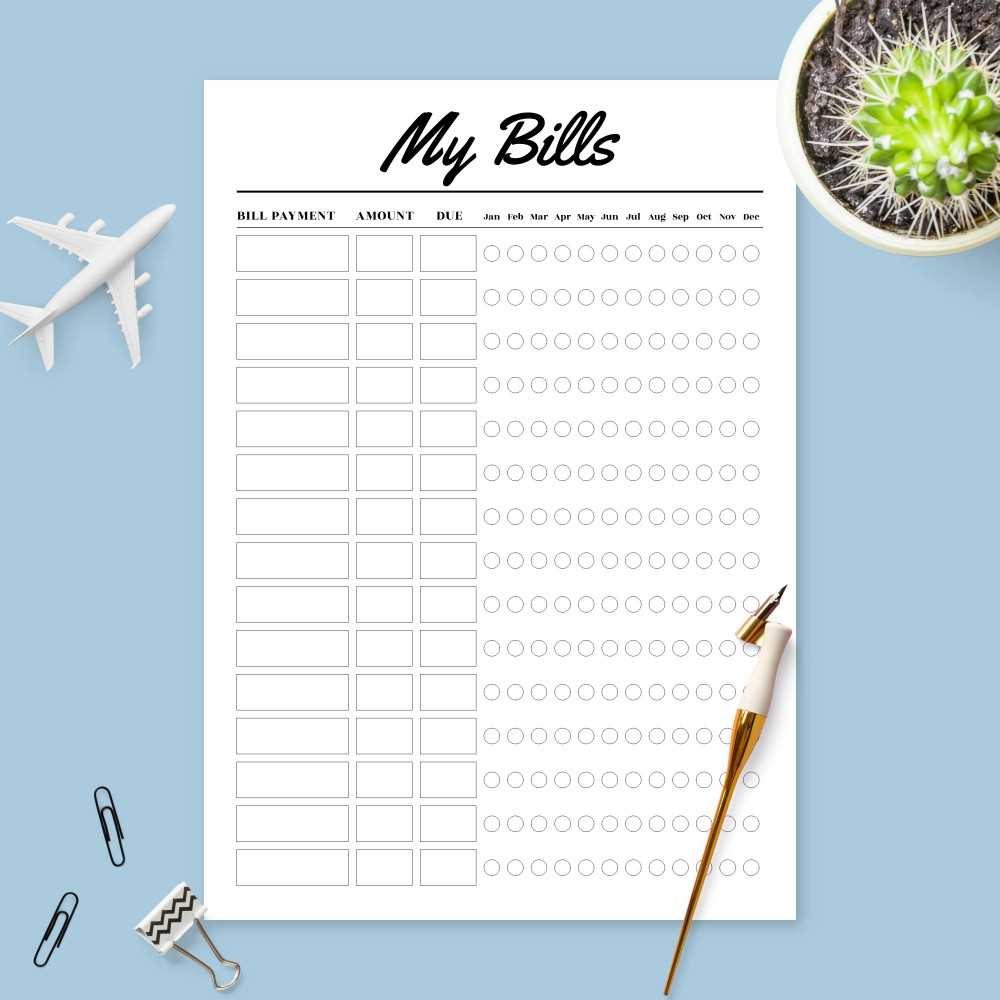
To stay on top of your financial obligations, it’s crucial to have a clear system for managing and monitoring your expenses. One of the most straightforward methods is by using a physical or digital tool that allows you to record due dates, amounts, and payment statuses for each of your expenses.
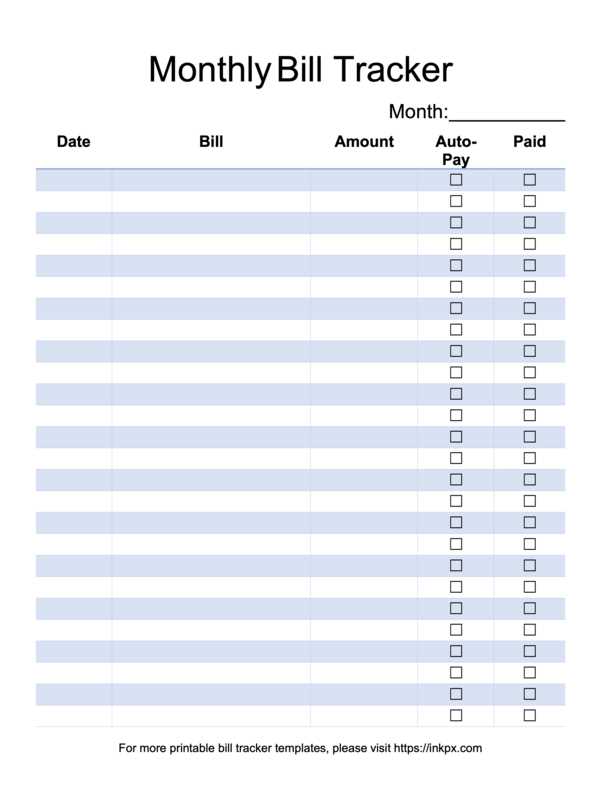
Start by listing all regular payments, such as rent, utilities, and subscriptions. Categorize them based on due dates and payment frequency, whether monthly, quarterly, or annual. This helps you anticipate upcoming expenses and avoid any missed deadlines or late fees.
Next, organize your entries by payment method–whether credit card, bank transfer, or cash. This not only makes it easier to track payment methods but also provides a clear overview of where your money is going. You can even link each payment entry to your bank statements for quick cross-referencing.
Lastly, utilize available templates or create custom forms to make the process quicker. There are several free tools online that can help you design a layout that suits your needs, ensuring you can focus on maintaining an organized financial record without the hassle.
Printable Bill Tracker Guide
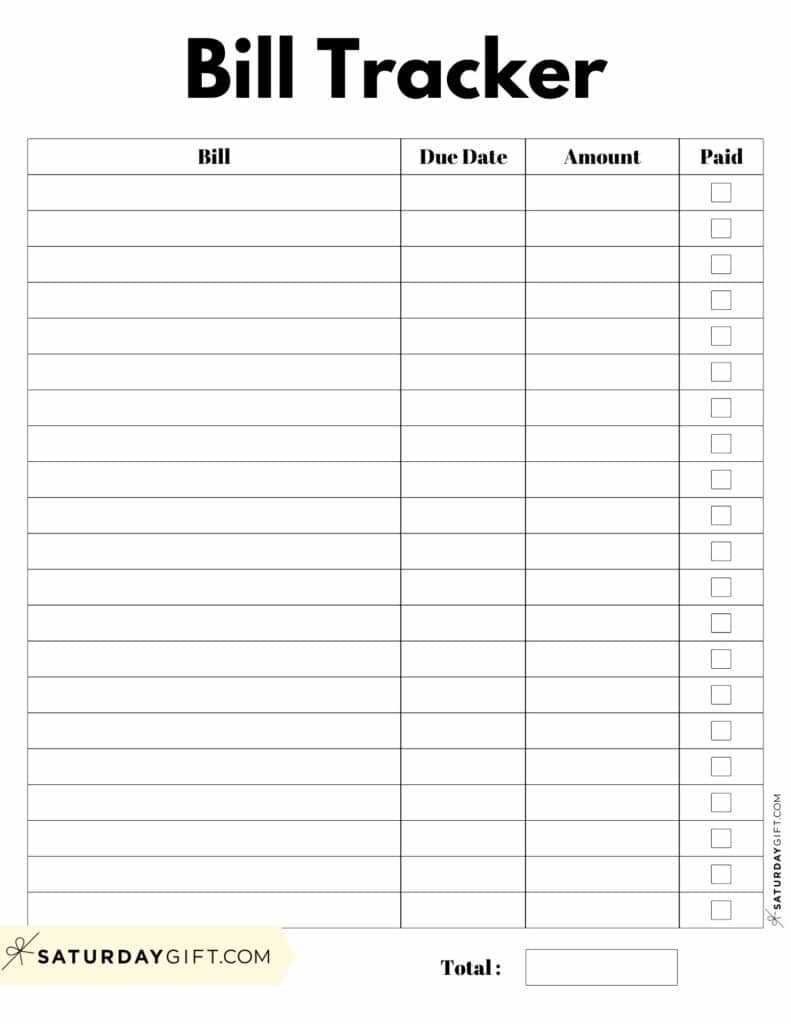
To maintain an organized system for managing your payments, create a template that suits your needs. A basic form should include columns for the expense name, amount due, due date, and the payment status. This simple structure makes it easy to spot any upcoming or missed payments at a glance.
Make sure to set up reminders. Whether through a physical calendar or digital alert, marking key dates for each payment helps you stay on top of deadlines. Setting alerts a few days before the due date can prevent last-minute scrambles to pay or handle late fees.
For better organization, categorize your payments by type. You might want to group them into sections such as utilities, subscriptions, loans, and insurance. This separation can help identify patterns in your spending, allowing you to focus on areas that need more attention or cutbacks.
If you prefer to track using paper, consider using a dedicated folder or binder for each month. Organizing receipts and tracking forms in separate sections within the binder can give you easy access to both physical and written records of your financial obligations.
Utilize online templates if you want something faster than creating your own. Many free options are available that already include common expense categories and date formats. These can save you time and offer a polished look with little effort on your part.
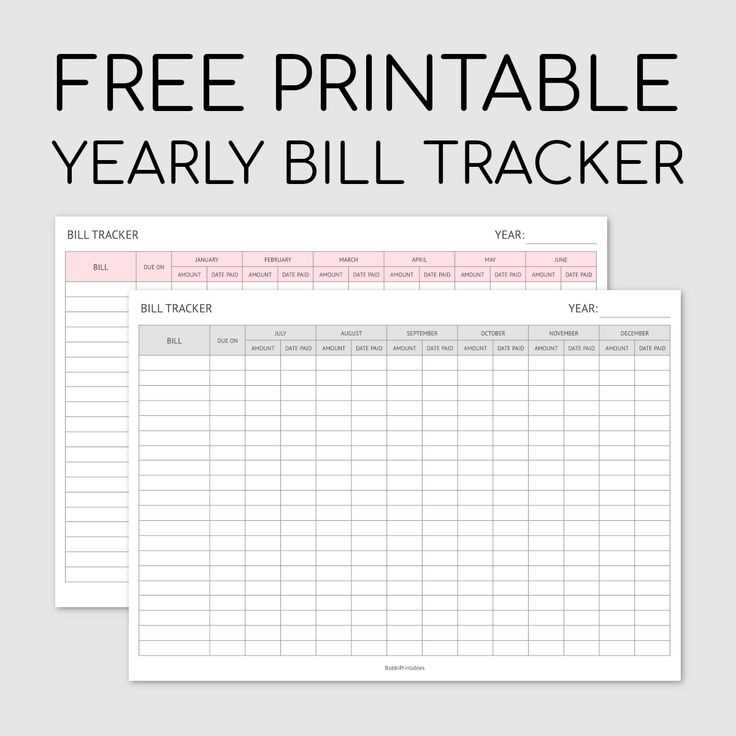
For a more in-depth approach, track payments for multiple months within the same spreadsheet or paper form. This allows you to review patterns over time, such as recurring charges, seasonal expenses, or changes in subscription costs.
Consider adding an additional column for payment method. Not only does this allow you to track how the money was paid, but it also makes it easier to match payments with your bank statements, ensuring everything has been accounted for.
Lastly, always review your records at the end of each month. Comparing your actual payments with what you’ve written down helps to ensure that all records are accurate and up-to-date, preventing surprises when it’s time to balance your finances.