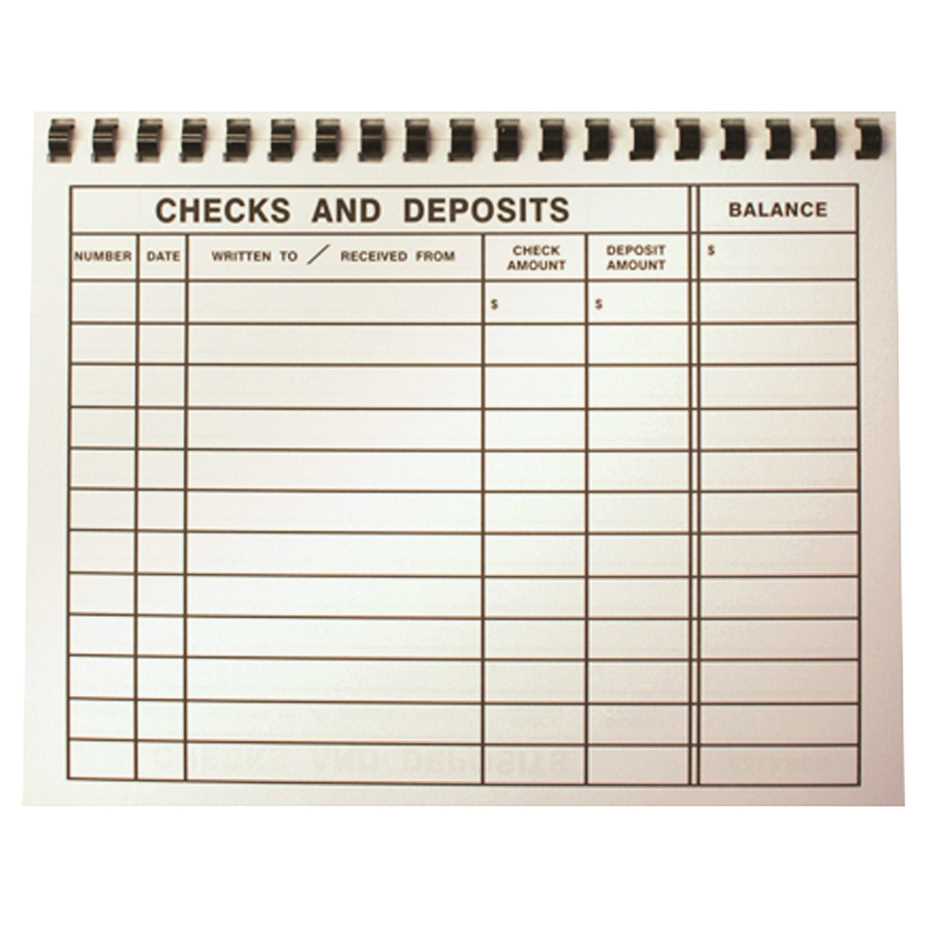
Start by using a structured method for tracking your spending and deposits. A basic transaction log is a simple, effective tool that allows you to record every financial action. By writing down the date, description, amount, and balance for each transaction, you gain a clear picture of your account activity.
Benefits of Using a Handwritten Ledger
Recording transactions manually, without relying on digital apps or software, offers a more tangible connection to your finances. It’s especially useful for those who prefer keeping a physical record or for those without constant access to the internet. This method helps avoid the pitfalls of digital oversights, and it creates a backup in case of technology failures.
How to Set Up a Transaction Log
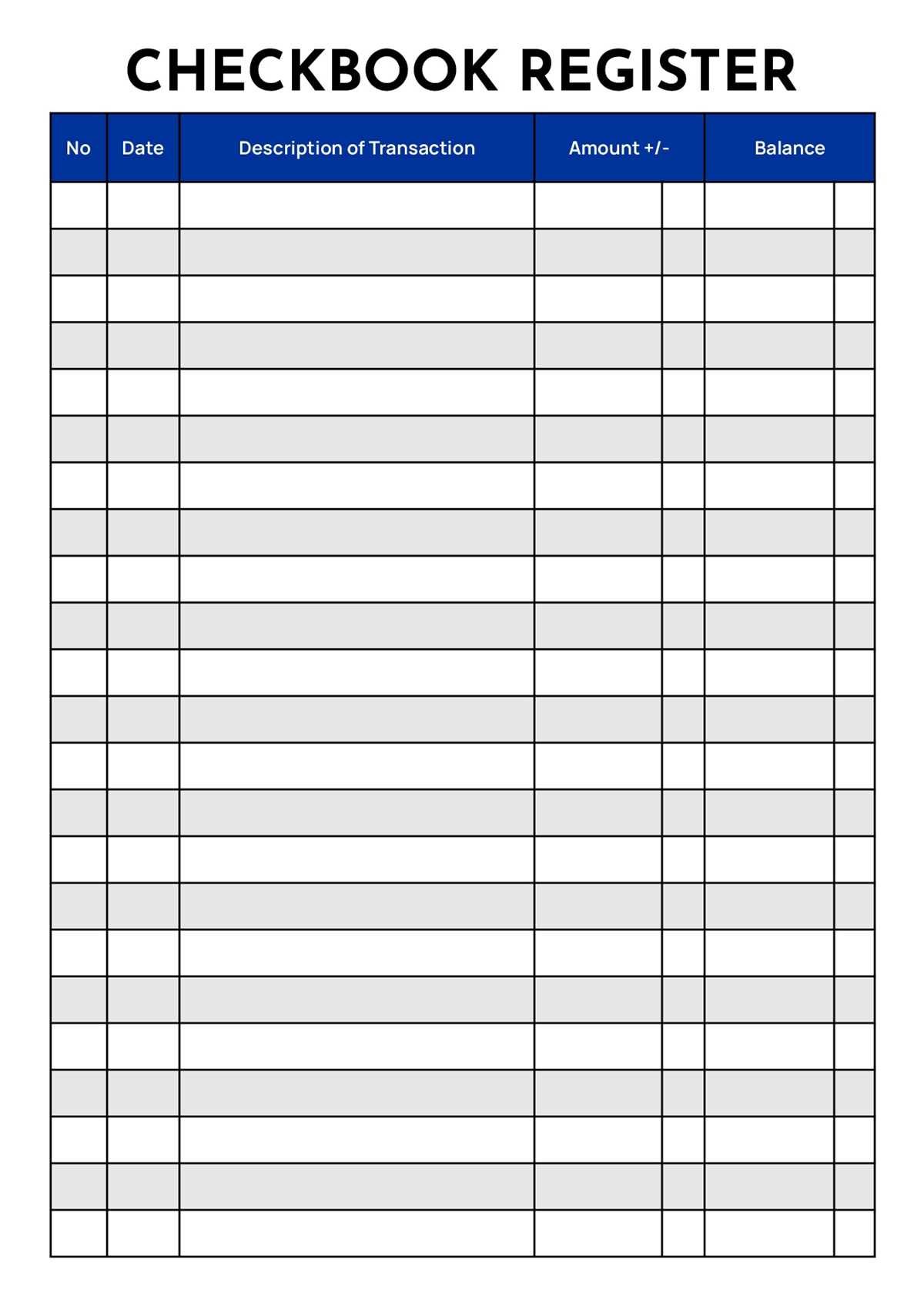
To get started, print a template or draw your own on a blank sheet. At the top of each page, write down the name of your financial account. Divide each page into columns for the following details:
- Date: The day you made the transaction.
- Description: A brief note of what the transaction was for.
- Debit/Credit: Record whether the amount was a withdrawal or deposit.
- Amount: The exact amount spent or received.
- Balance: The remaining amount after the transaction.
Once you have your template ready, regularly fill in your entries, ensuring accuracy by double-checking each detail. Reconcile your records periodically with your bank statements to ensure everything aligns correctly. This helps catch any errors early and keeps your account balanced.
Why a Manual Record is Still Valuable
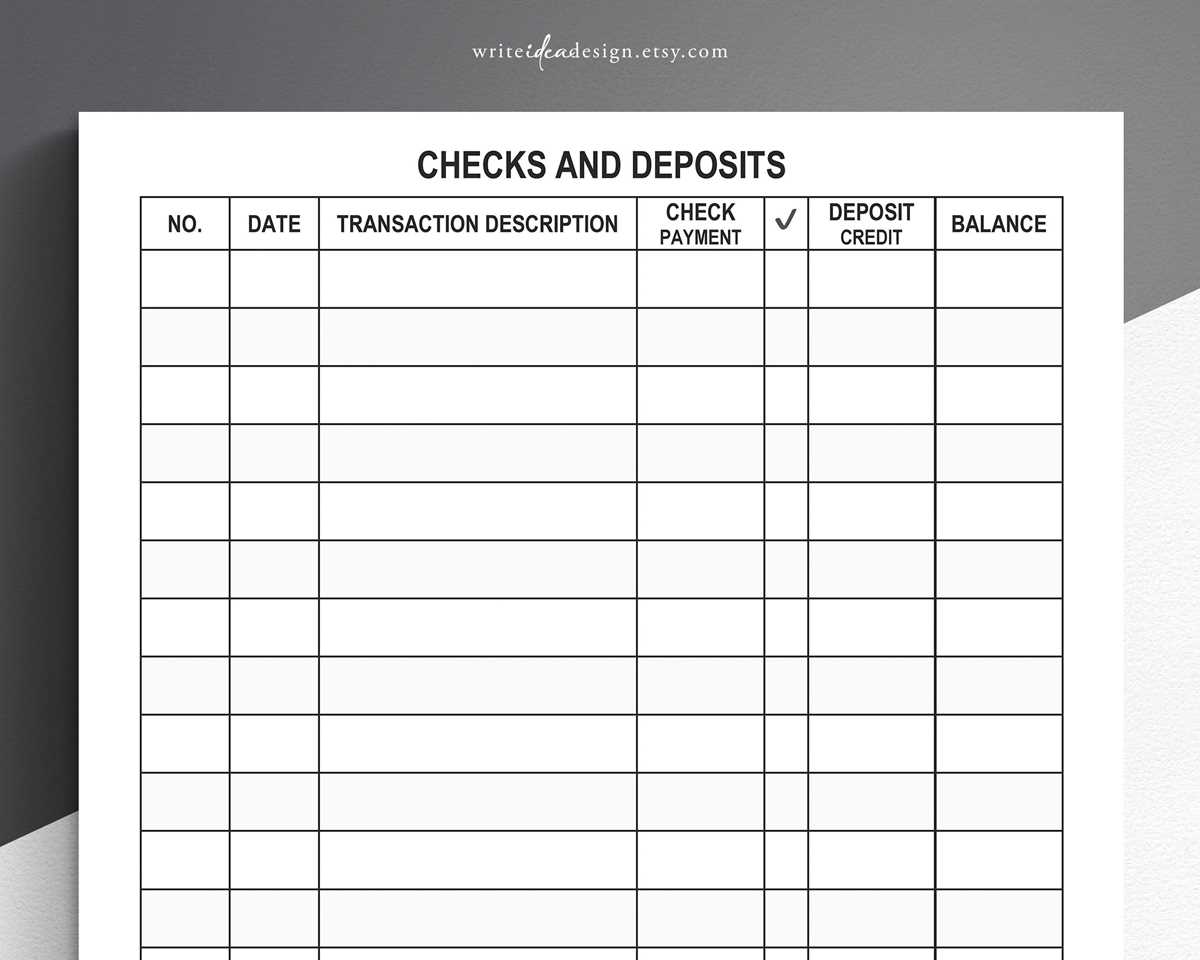
Even in the age of digital banking and apps, keeping a physical log offers advantages. For one, it forces you to slow down and consider each transaction. It’s a great way to avoid impulse spending and keep a more mindful approach to your budget. Additionally, it serves as a backup in case digital systems experience issues.
As you continue to use this method, you’ll develop a habit of being more aware of your financial movements. Whether for daily tracking or monthly summaries, a handwritten ledger remains a reliable and insightful way to manage your funds.
Templates for Managing Personal Finances
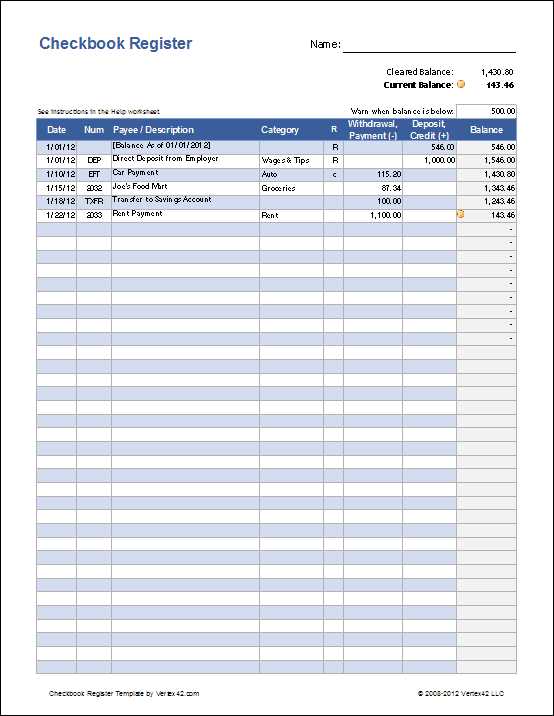
Using a structured template for tracking your financial transactions is an effective method for staying organized. Whether for personal accounts or small business finances, a well-organized ledger can help you monitor spending, deposits, and account balances. Opt for a format that includes columns for dates, transaction descriptions, debit or credit amounts, and the resulting balance after each entry. Regularly updating this record ensures you stay on top of your budget and avoid mistakes in your finances.
To simplify the process, print out or use a digital template designed specifically for this purpose. Many templates allow you to add custom categories for specific needs, such as utilities, groceries, or loan payments. By consistently logging each financial action, you can easily reconcile your bank statement and have a clear picture of your financial situation at any given moment. This method helps create transparency in your spending habits and improves long-term money management.