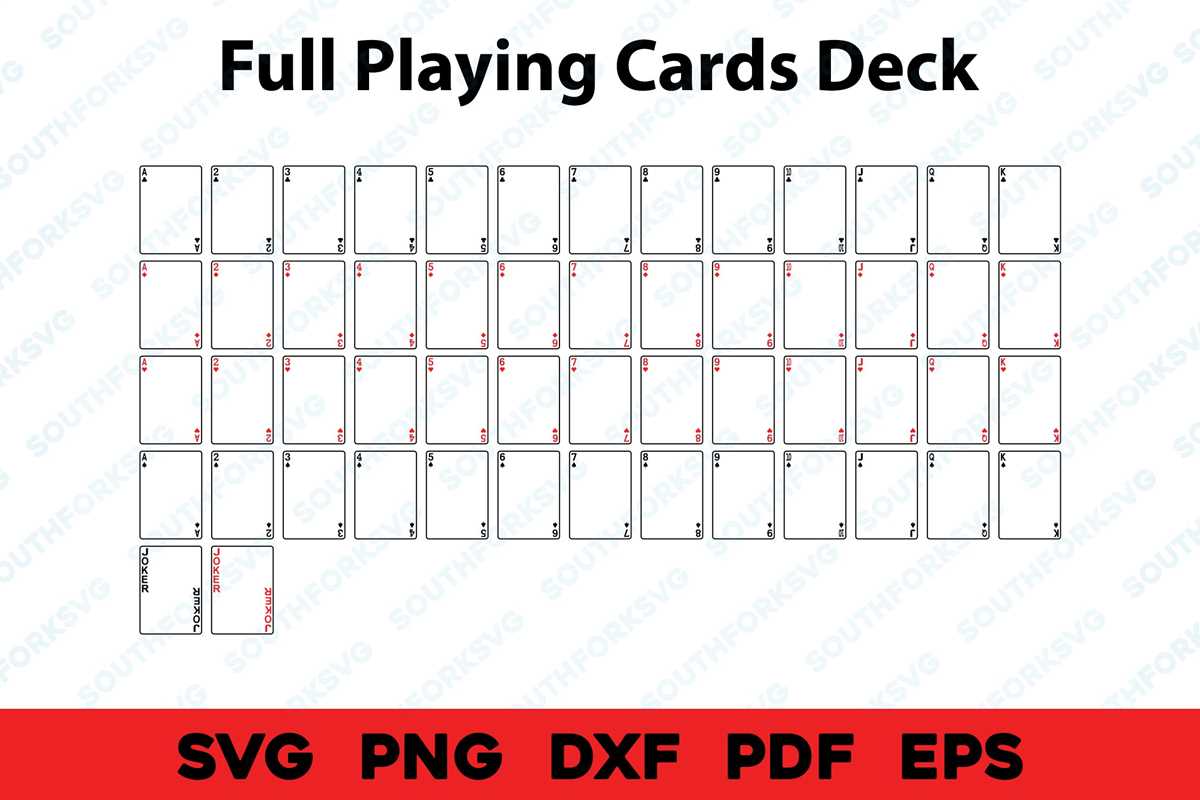
Set the document to 2.5 x 3.5 inches with 0.125 inch bleed on all sides before designing your custom deck sheets. This matches standard poker dimensions and prevents white borders after trimming. Use 300 DPI resolution and CMYK color mode if you plan to print through a professional service.
Choosing Paper and Layout Settings
Select 250–300 gsm cardstock for sturdy hand feel. For home printers, feed one sheet at a time to avoid smudging. Arrange 9 or 10 rectangles per letter-size sheet (8.5 x 11 inches) with equal spacing of at least 0.25 inches between outlines to allow clean cuts.
For double-sided designs, align front and back artwork precisely. Use crop marks and test alignment with a draft sheet before final output. Flip on the short edge in printer settings to keep orientation consistent.
Cutting and Corner Finishing
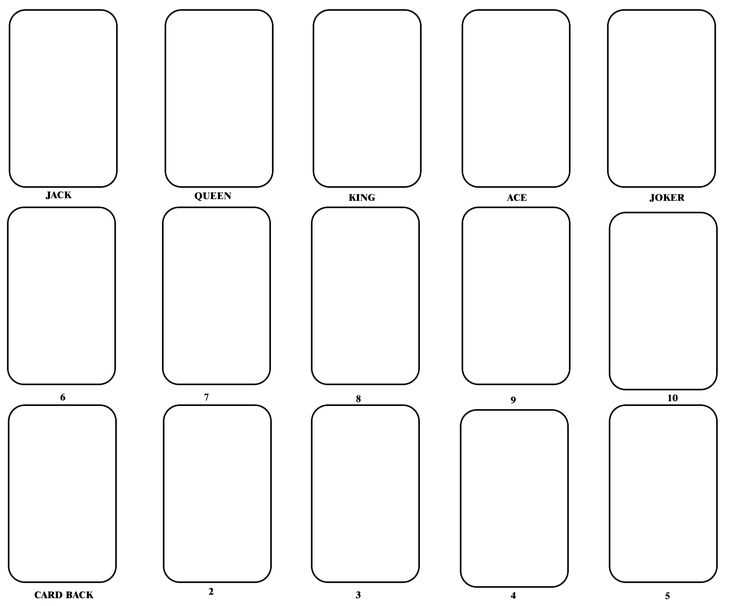
Trim with a metal ruler and precision knife for straight edges. Guillotine cutters provide faster results for large batches. Round corners with a 5 mm corner punch to replicate casino-style decks and reduce edge wear during shuffling.
Design Tips for Custom Deck Sheets
Keep a 0.25 inch safe zone inside each rectangle so text or symbols do not get trimmed. Use vector graphics for icons and typography to maintain sharp edges.
- Use high-contrast symbols for readability
- Limit text to 12–14 pt minimum for clarity
- Maintain consistent margins on all faces
Store finished sheets flat under weight for 24 hours to prevent curling. For durability, apply matte laminate film or clear adhesive overlay before cutting. Proper material selection and accurate layout settings ensure durable, well-aligned custom decks suitable for classroom games, flash drills, or prototype tabletop projects.
Printable Blank Playing Cards
Set each rectangle to 2.5 x 3.5 inches with a 0.125 inch bleed and 0.25 inch inner margin before exporting your deck layout to PDF. This format matches standard poker dimensions and prevents trimming errors along the edges.
Use 300 DPI resolution and CMYK color mode for sharp symbols and consistent tones. Arrange 9 or 10 templates on a letter-size sheet with at least 0.2 inches spacing between outlines to allow precise cutting. Disable automatic scaling in printer settings to maintain exact proportions.
Select 270–300 gsm cardstock for durability during shuffling and repeated handling. Thinner paper under 200 gsm bends easily and shows wear along corners after limited use.
Cut with a guillotine trimmer for straight edges or a craft knife with a metal ruler for small batches. Round corners using a 5 mm corner punch to reduce fraying and improve grip. Keep stacks aligned before pressing to avoid uneven edges.
Store finished deck pieces flat under weight for 12–24 hours to prevent curling. For added durability, apply matte laminate film before trimming, which increases stiffness and protects ink from smudging during gameplay or classroom activities.