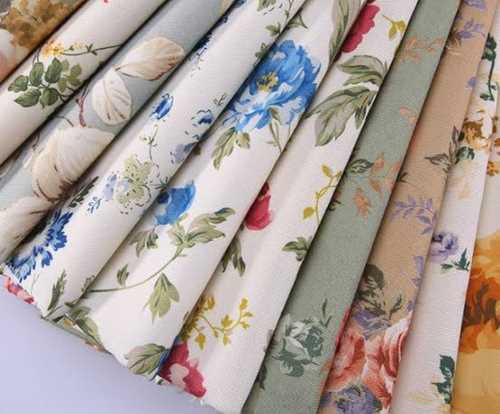
If you’re looking to print designs directly onto a durable textile for your next craft project, the key is choosing the right material. Opt for a fabric that can withstand printing and offers a smooth surface for high-quality results. Common materials used for this purpose include cotton and polyester blends that handle ink well, whether you’re using a home printer or a professional-grade machine.
Before you start, ensure the fabric you select is compatible with your printer type. For home printers, lightweight, pre-treated materials often yield the best results. For those using heat transfer or sublimation techniques, select materials that are specifically designed for these processes to avoid any issues with the ink bonding to the fabric.
Custom-printed textiles open up a wide range of possibilities for crafting, from home décor items like throw pillows to accessories such as tote bags. With the right preparation and understanding of your material, you can create personalized pieces that stand out. Consider factors like color, texture, and weight of the material when planning your project to achieve the desired effect.
Choosing the Right Printable Fabric for Your Project
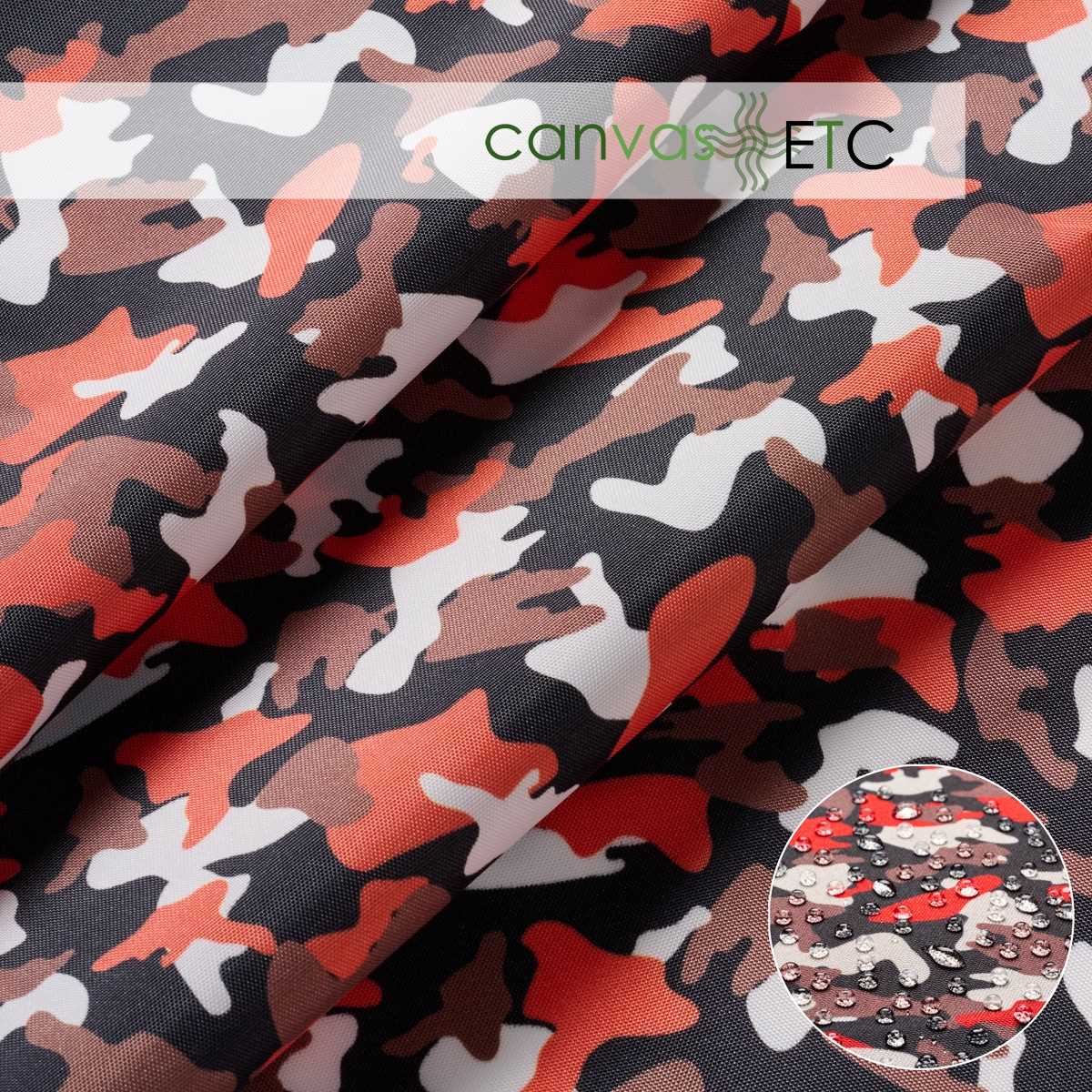
For optimal results, select a sturdy, smooth-textured material that can handle printing techniques without bleeding or distortion. Look for textiles that are pre-treated for printing, such as cotton blends or polyester-based materials, which ensure vibrant and crisp images. The weight of the material also plays a significant role in determining its suitability–lightweight options are great for soft projects like tote bags, while heavier fabrics work well for items requiring more structure, such as pillows or upholstery.
Ensure the fabric is compatible with the type of printing method you plan to use. Inkjet printers work best with lighter, pre-treated materials, while heat transfer or sublimation processes demand specialized textiles that retain the design after heat application. Additionally, consider the fabric’s durability, especially if the project is intended for frequent use, as more robust fabrics tend to withstand wear and tear better than softer options.
Step-by-Step Guide to Printing on Fabric
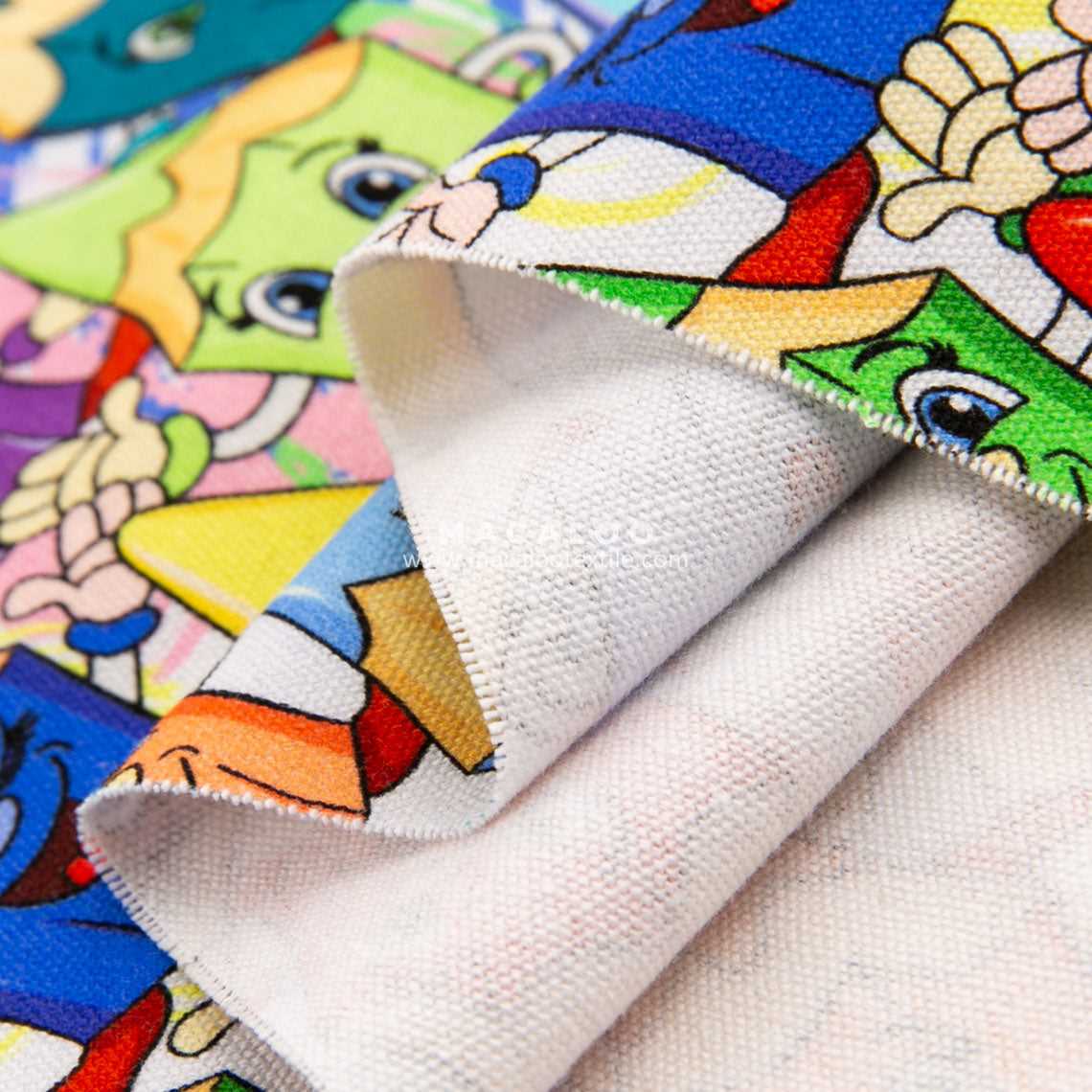
Start by preparing the material you plan to print on. If it’s not pre-coated, apply a fabric-friendly primer to help the ink bond properly. Smooth out any wrinkles or creases to ensure an even print. Cut the material to the appropriate size to fit into your printer’s paper tray or feeding system, ensuring that it feeds through without obstruction.
Before printing, adjust the settings on your printer for optimal output. Set the print quality to the highest possible resolution to ensure sharp and clear results. Select the correct color profile for the material, and ensure the design fits within the printable area. If necessary, resize the design to match the dimensions of the surface you’re working with.
Once printed, let the design dry thoroughly to avoid smearing. If heat setting is required, apply the appropriate amount of heat according to the material’s specifications. Use a heat press or iron to cure the ink, ensuring the design remains intact after multiple washes. Finally, you may want to apply a protective coating to increase durability and prevent fading over time.
Creative Ideas for Using Printable Fabric in Crafts
One popular way to use printable material is for custom home décor. Create personalized wall hangings by printing your favorite quotes or images. Once the design is printed, simply stretch the material over a frame or mount it directly to the wall for a unique piece of art. This method works well with bold graphic designs or soft, subtle textures for a more understated effect.
Another idea is to create custom pillows or cushion covers. Print vibrant patterns or themes to complement your living room, bedroom, or outdoor space. For added flair, sew on appliqué designs or use the fabric to create quilted designs. You can even personalize them with initials, names, or special messages for gifts or special occasions.
Printable materials are also perfect for crafting unique bags and totes. Print on the material, then cut and sew it into custom-sized bags. Add embellishments like buttons, beads, or decorative stitching to make each one stand out. These personalized bags can be used as gifts or for everyday use, giving you both functionality and creativity.
If you enjoy creating wearable items, consider using the material to design custom clothing or accessories. Print your favorite patterns onto fabric and then sew them into scarves, hats, or aprons. This allows for full customization of everyday wearables, making them both stylish and one-of-a-kind.
Another great option is creating custom gift items. Use the printed material to create personalized gift bags or wrapping. Print festive designs for birthdays, holidays, or special events. This adds a personal touch to your gift-giving, making it feel more thoughtful and memorable.
For a practical craft, consider making labels or tags for organizing your belongings. Print them with fun fonts and patterns, and then attach them to bins, jars, or storage boxes. This not only helps keep your space organized but also adds a decorative element that fits your style.