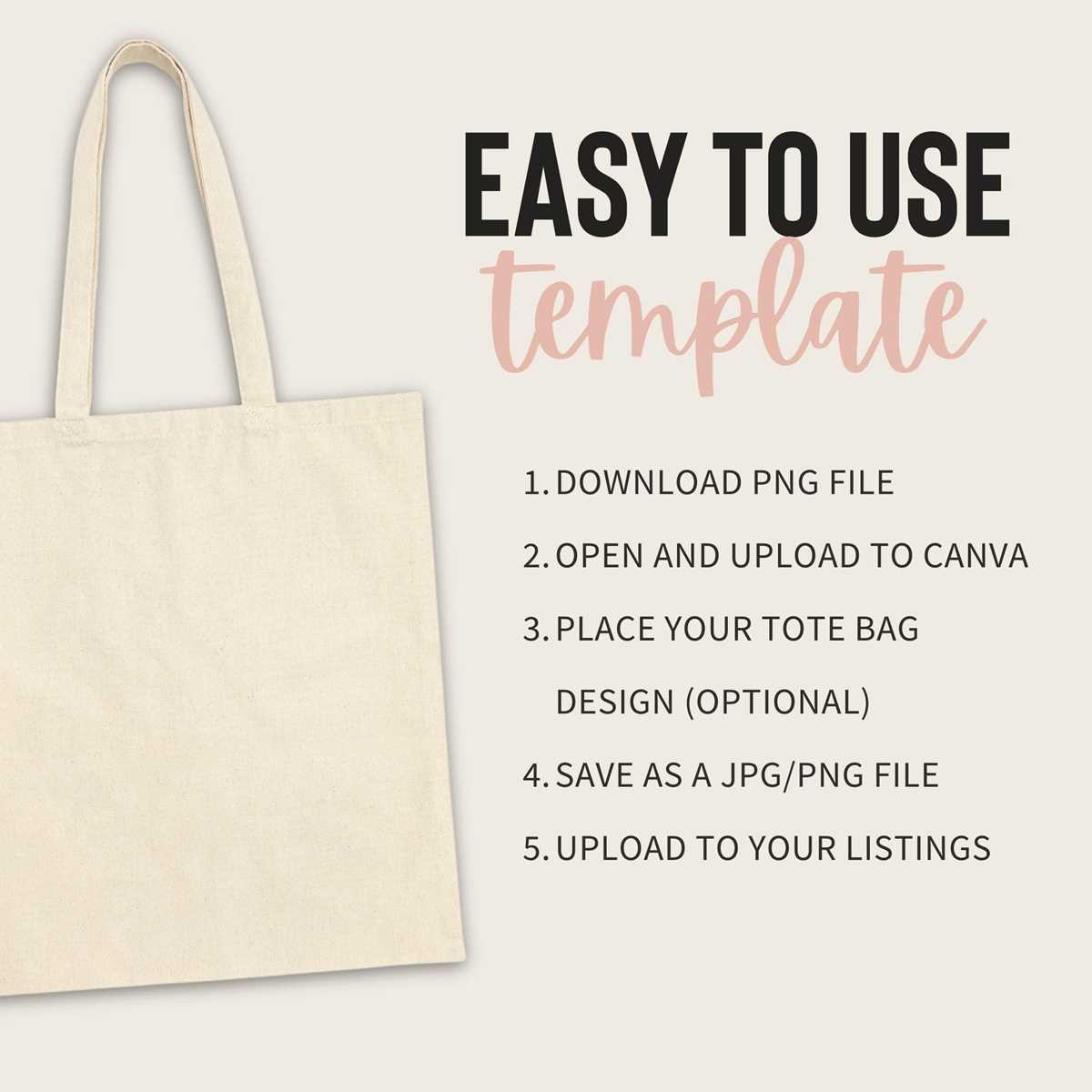
To achieve the best results, use a 100% cotton material when choosing a fabric for custom designs. It provides a smooth surface that enhances the final print quality. Keep in mind that natural fibers absorb ink better, ensuring sharp and vibrant images.
Selecting the Best Printing Method for Custom Fabric Items
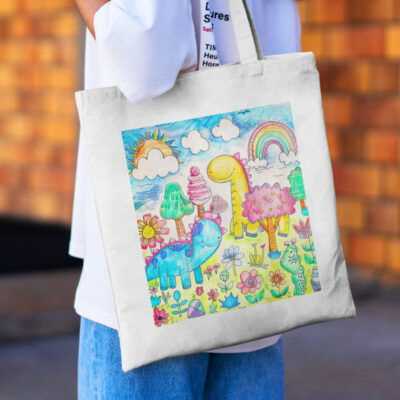
Different printing techniques offer unique benefits depending on the design’s complexity and the fabric type. Screen printing is ideal for large batches with simple designs, offering durability and cost-effectiveness. For more intricate or full-color artwork, heat transfer printing or direct-to-garment (DTG) printing are superior options, as they provide high-quality results even on smaller orders.
Screen Printing
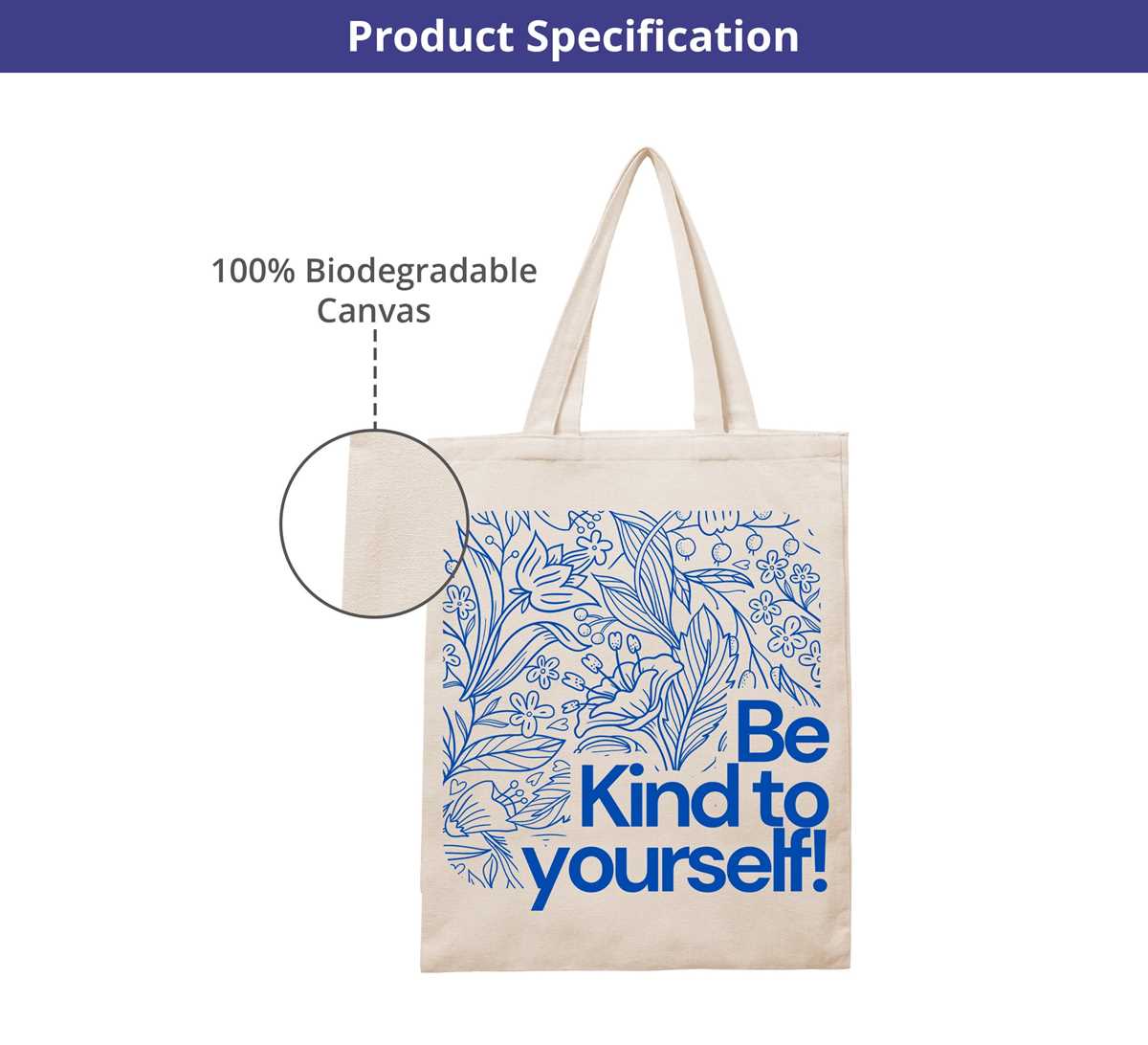
- Best for bulk production.
- Works well with bold designs and a limited color palette.
- Durable and long-lasting prints.
Heat Transfer Printing
- Great for detailed, colorful images.
- Better for smaller batches or one-off prints.
- Requires special equipment like a heat press.
Direct-to-Garment (DTG) Printing
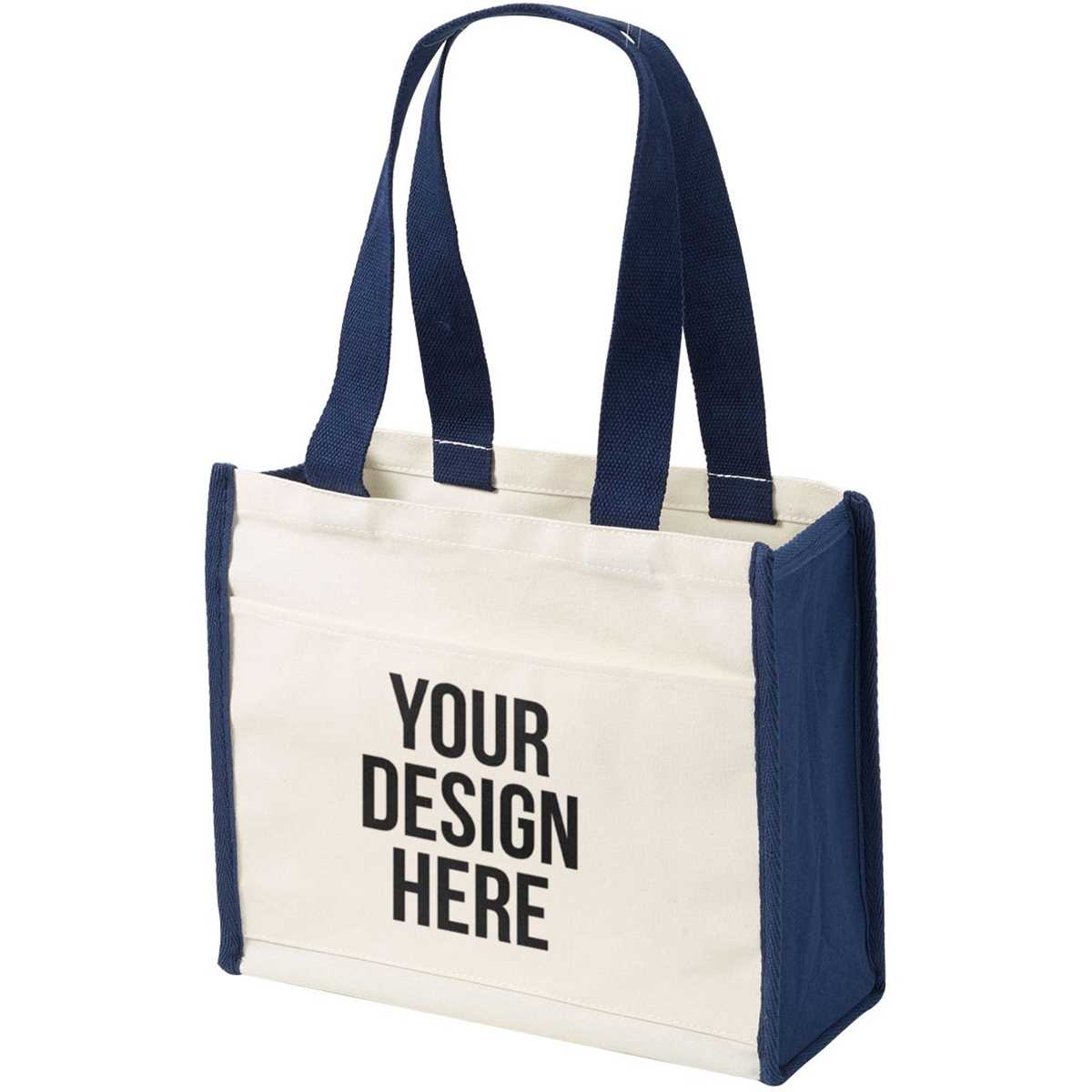
- Ideal for full-color designs.
- Requires specialized printers, but offers flexibility in design complexity.
- Less cost-effective for larger orders.
Steps to Print Custom Designs on Fabric
Once you’ve selected the right fabric and printing method, follow these steps to ensure your design turns out as intended:
- Prepare the Design: Use graphic design software like Adobe Illustrator or Photoshop to create or adjust your artwork. Make sure the resolution is at least 300 dpi to avoid pixelation.
- Choose the Right Colors: When using screen printing, limit the number of colors to keep costs down. For heat transfer or DTG, you can use as many colors as needed.
- Pre-treat the Fabric: Pre-wash the fabric to remove any chemicals or residues that may affect the print quality. Iron it to eliminate wrinkles.
- Apply the Design: Follow the specific instructions for your printing method. For screen printing, carefully align the screens with the fabric. For heat transfer, use a heat press to apply the image securely.
- Allow to Dry: Let the fabric cool down and dry completely. For screen-printed items, curing the ink with heat ensures it lasts longer.
By following these guidelines, you can create custom, durable designs that stand out while ensuring quality in every print. Whether you’re making promotional items or personalized gifts, these steps will help you achieve professional results.
Customizable Fabric Shopping Bags
For high-quality results, choose 100% cotton material for your fabric bags. This type of fabric absorbs ink more effectively, ensuring sharp prints with vibrant colors that last over time.
One of the most popular printing methods for these bags is screen printing. This method works best when printing simple, large designs in bulk. It ensures durability and is cost-effective for large orders.
If your design includes intricate details or multiple colors, heat transfer printing or direct-to-garment (DTG) printing are the best choices. These methods allow for more detailed artwork, including photographs or complex patterns.
Before printing, it’s crucial to pre-wash the fabric. This removes any residue or chemicals left from manufacturing and helps prevent the material from shrinking after printing. Iron the fabric before applying the design to ensure it’s smooth and free from wrinkles.
When setting up the design file, ensure it’s at least 300 dpi for clarity. Use design software like Adobe Illustrator or Photoshop to create or adjust the artwork. For screen printing, it’s recommended to limit the design to a small number of colors to reduce costs.
If using heat transfer, carefully follow the temperature and time instructions provided by the manufacturer of your transfer paper. Applying too much heat or pressure can cause distortion in the design or damage the fabric.
Once printed, allow the fabric to cool and dry completely before using it. This will ensure the design has fully set and will be resistant to fading or cracking over time. Proper curing and handling make the printed bags a durable, long-lasting accessory.