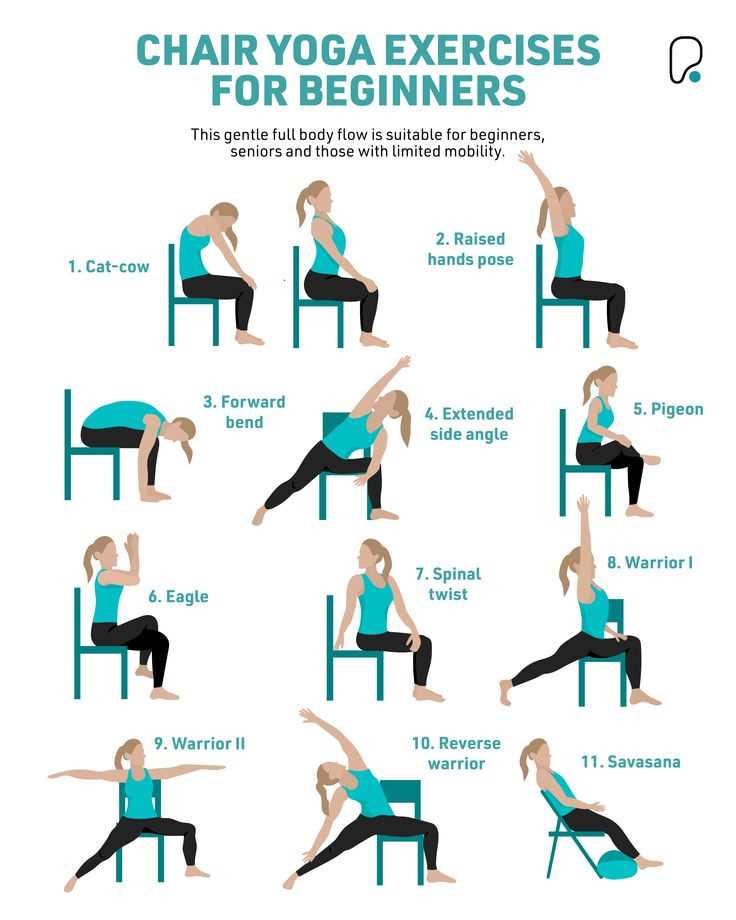
Start by incorporating gentle stretches into your daily routine, focusing on flexibility and improved posture. These movements, which can be done while seated, help increase circulation and prevent stiffness. Ensure you use a sturdy chair with armrests and back support to avoid injury and ensure comfort during each session.
Focus on slow, controlled movements that promote balance and reduce tension. Begin with simple stretches like arm reaches, neck rotations, and gentle twists to relieve muscle tightness. Avoid overexerting yourself and always listen to your body’s signals to prevent strain. This approach helps build strength and stability, which are key for maintaining independence.
Track progress over time by noting improvements in mobility and comfort. Incorporating this type of gentle movement into your routine not only helps with physical well-being but also supports mental clarity and relaxation. As you become more comfortable, gradually increase the range of motion and duration of each stretch to further benefit from these activities.
Printable Chair Yoga Exercises for Seniors
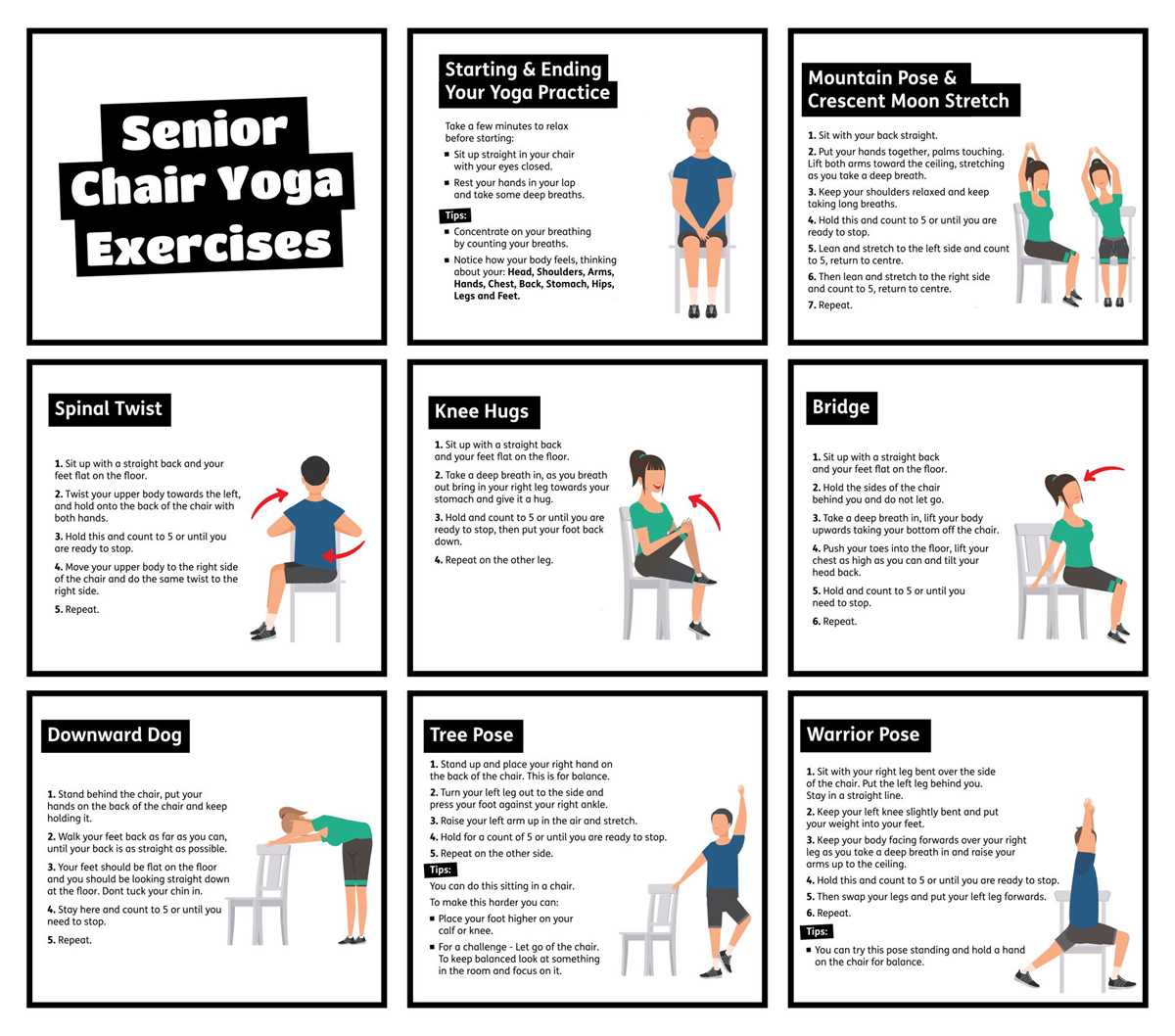
Start with gentle upper body stretches to improve flexibility and relieve tension in your shoulders and arms. Perform simple arm lifts and shoulder rolls while seated, moving slowly to ensure comfort. This will help increase mobility in your joints and muscles, reducing stiffness.
Next, incorporate some seated twists to enhance spinal flexibility. Sit tall in your chair and gently twist your torso to one side, holding for a few seconds before returning to the center. Repeat on the other side. This movement helps improve posture and relieves pressure on the lower back.
For better lower body circulation, try extending one leg at a time and holding it in place for several seconds. Alternate legs to build strength in your legs and improve circulation. This exercise is especially helpful for those who experience swelling or discomfort in their lower limbs.
To improve balance and coordination, practice seated marches. Lift one knee toward your chest and hold for a moment before lowering it, then repeat with the other leg. This movement engages the core muscles and promotes stability, helping to prevent falls.
Engage your hands and wrists by doing simple stretches. Extend your arms forward and gently spread your fingers apart, then release. This exercise can alleviate hand stiffness and improve dexterity, which is crucial for daily tasks like writing or holding objects.
As you progress, increase the duration of each stretch. Try holding each position for a few extra seconds to enhance flexibility and strength. You can also repeat each movement for additional sets, gradually building endurance without overexerting yourself.
Always focus on breathing deeply and steadily during each movement. Inhaling deeply through the nose and exhaling slowly through the mouth will help reduce stress and improve your overall well-being. Combining breathing with movement increases the effectiveness of each stretch.
Choosing the Right Chair Yoga Poses for Seniors with Limited Mobility
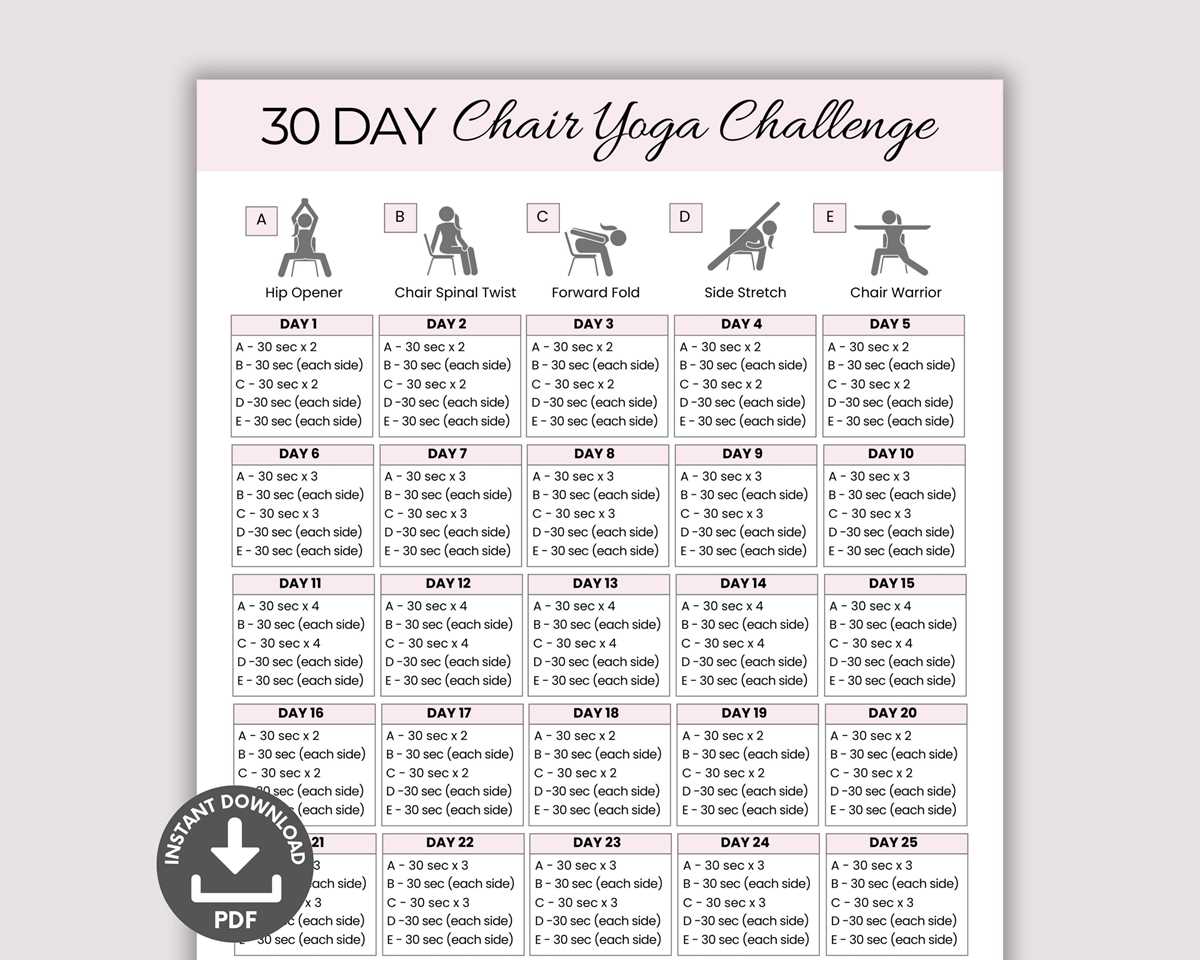
Begin with seated stretches that focus on gentle movement without straining the joints. A simple seated side stretch is ideal for those with limited mobility. Sit upright and gently lean to one side, feeling a stretch along your torso and arms. Hold for a few seconds, then switch to the other side. This helps to improve flexibility without requiring full range of motion.
For those experiencing difficulty with balance, choose poses that do not require standing. A seated leg extension, where you extend one leg at a time and hold it in the air for a few seconds, strengthens the legs while seated. This can improve leg mobility and circulation without the need for standing or balancing.
Incorporate gentle twisting motions to increase spinal flexibility. A seated twist can be done by slowly turning your torso to one side, keeping your feet flat on the ground. Hold the position for several breaths, then return to the center. This exercise helps improve flexibility in the spine and can relieve stiffness in the back.
Focus on breathing and relaxation during each pose. Breathing deeply while holding a position helps reduce tension in the body. It’s crucial to perform each pose at a slow pace, ensuring that the body feels comfortable and supported. If any position causes discomfort, modify it or skip it entirely to avoid injury.