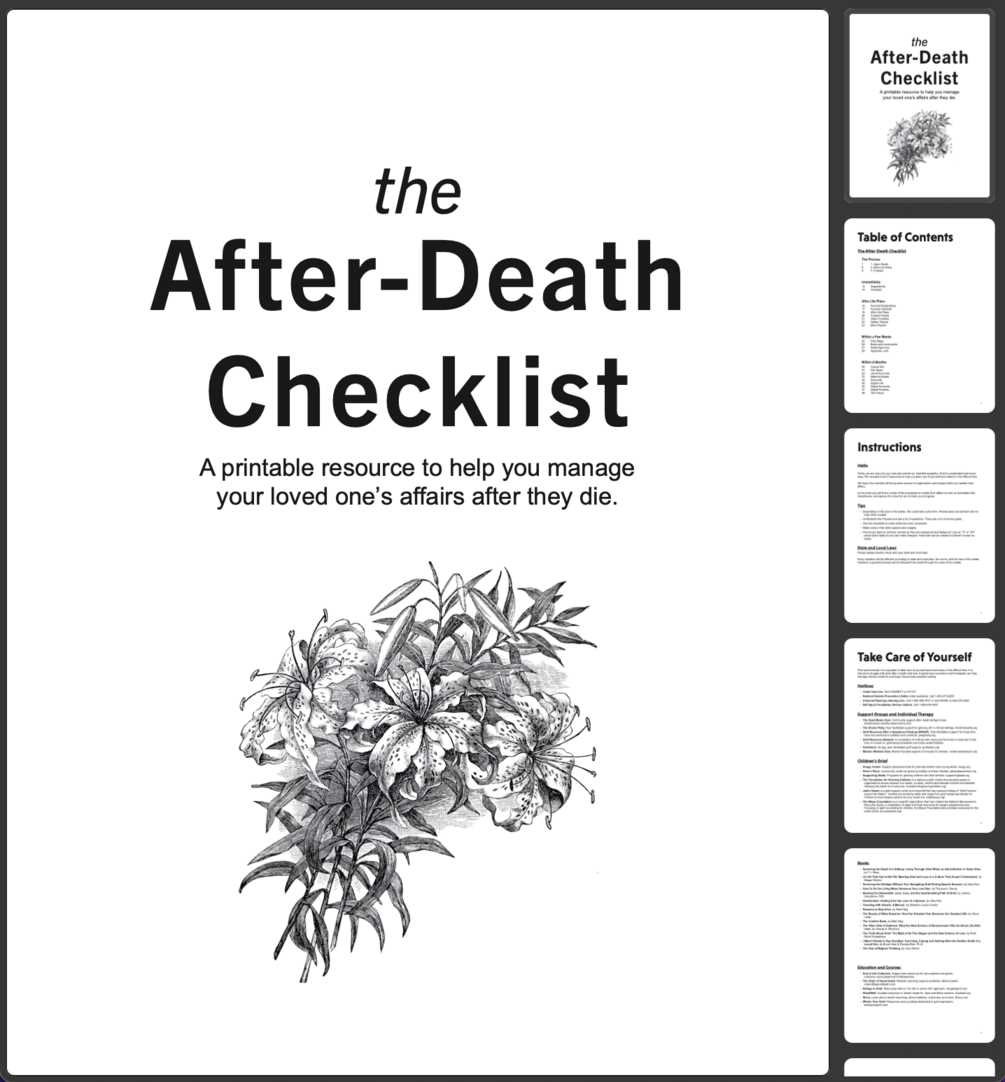
Secure the death certificate and notify close relatives within the first day. These two actions prevent delays in legal paperwork and allow family members to coordinate next steps. Request at least 8–10 certified copies of the death certificate from the local registry office, as banks, insurers, and government agencies usually require originals rather than photocopies.
Within the next 48 hours, contact the chosen funeral provider and locate key documents such as the will, insurance policies, property deeds, and recent financial statements. Keep all records in one labeled folder to avoid repeated searches during phone calls with institutions. Many families lose time simply because papers are scattered across different locations.
During the first two weeks, focus on formal notifications. Inform the employer, pension administrator, Social Security office, and utility companies. Cancel or freeze subscriptions and credit cards to reduce the risk of fraud. Acting in a structured sequence lowers stress and helps ensure that no administrative duty is overlooked during a difficult period.
Printable Checklist for When Someone Dies
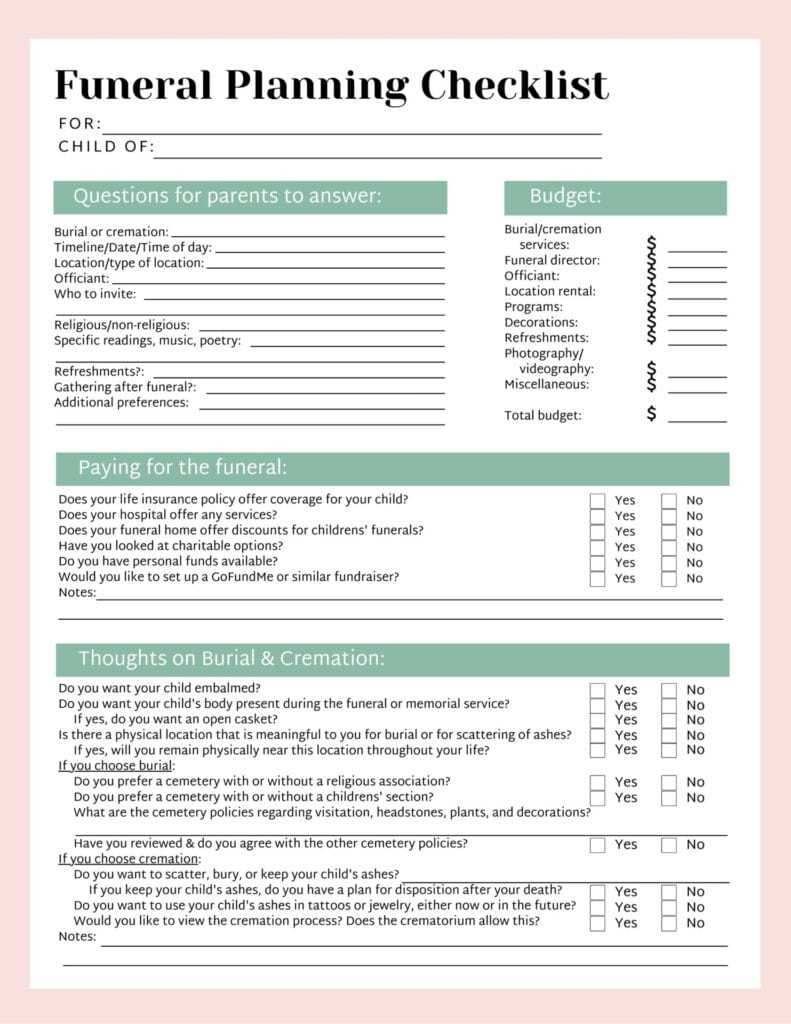
Obtain multiple certified death certificates within the first few days; most financial institutions require originals, and ordering them later often slows account closures. Request at least ten copies through the local civil registry or funeral provider to cover banks, insurers, pension offices, and property transfers.
Notify immediate family and assign one point of contact to handle calls and messages. This reduces repeated explanations and keeps information consistent. Use a simple log to record who has been informed, including date, time, and preferred follow-up.
Locate the will, trust papers, and any written funeral wishes before making service arrangements. Check common storage spots such as home safes, filing cabinets, and with the family attorney. If no will is found, note that probate rules in your region will determine how assets are distributed.
Contact the employer, pension provider, and life insurance companies within the first two weeks. Ask each organization what documentation they require and record claim numbers during every call. Missing reference numbers often cause long processing delays.
Secure property and digital access early. Change door locks if needed, forward mail through the postal service, and preserve access to email or cloud storage tied to billing accounts. This step helps prevent identity theft and missed invoices.
Review recurring payments tied to the deceased person’s bank cards. Cancel subscriptions, streaming services, and automatic renewals. Small monthly charges can accumulate quickly and complicate estate accounting.
Track every completed task on a single master list stored in both paper and digital form. Keeping a dated record of actions taken–calls made, forms submitted, accounts closed–creates a clear trail that simplifies legal review and reduces confusion among family members.
Immediate Steps to Take in the First 24 Hours After a Death
Call a medical professional or emergency services to obtain official confirmation of the passing. Without formal pronouncement, funeral arrangements and legal paperwork cannot move forward. Request written confirmation if available.
After confirmation, inform close relatives and any person named as executor. Keep communication brief and factual to avoid confusion. Assign one family representative to coordinate updates.
Within the same day, contact a funeral home or mortuary to arrange transportation of the body. Prepare the following details before calling:
- Full legal name of the deceased individual
- Date and place of death
- Location of the body
- Preferred funeral provider if known
Secure the residence and personal property. Lock doors and windows, collect spare keys, and ensure pets receive care. If the person lived alone, remove visible mail or deliveries that signal the home is unattended.
Locate identification and key documents as early as possible. Focus on:
- Government ID or passport
- Health insurance card
- Will or estate papers
- Recent bank statements
Avoid making major financial or legal decisions during the first day. Focus only on documentation, notifications, and protection of property. Large actions such as closing accounts or distributing belongings should wait until death certificates are issued.
Write down every call made, including names, phone numbers, and instructions received. This running record prevents repeated conversations and helps the executor handle formal duties in the following days.