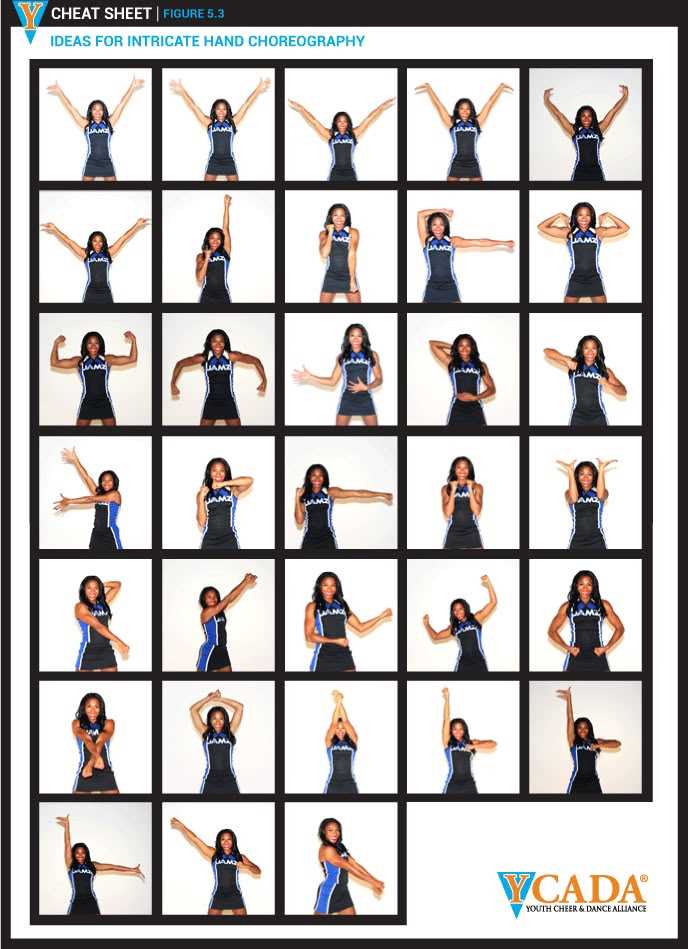
Use A4 horizontal pages with vector arm diagrams at least 12 cm tall; 2–3 pt outlines keep shapes clear during gym rehearsal and sideline review.
Common Arm Patterns to Include
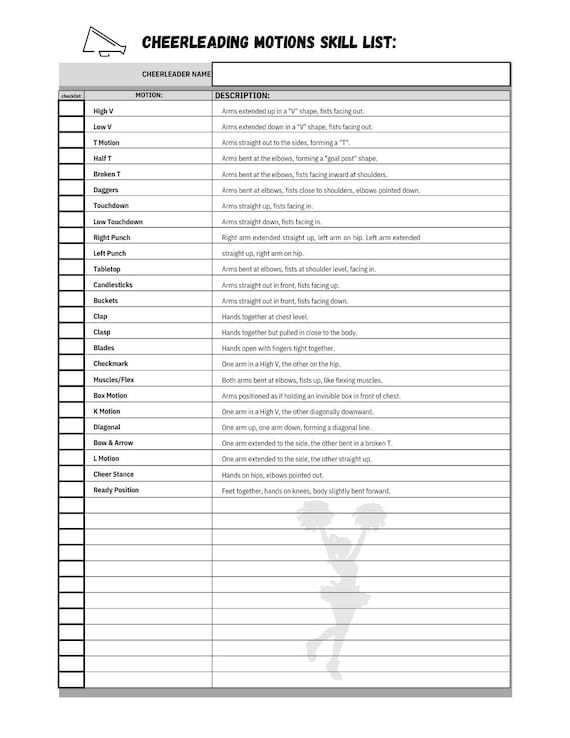
- High V – arms raised about 45° above shoulders, fists tight.
- Low V – arms angled downward; wrists straight, elbows locked.
- T-position – arms level with shoulders, palms forward or fists closed.
- Broken T – elbows bent 90°, forearms forward.
- Punch Up – one arm vertical, opposite hand on hip.
- Punch Down – arm straight toward floor with rigid wrist.
Labeling Tips
Place short captions under each figure, use sans-serif fonts 16–20 pt, add arrows for arm direction, mark fist orientation with small icons.
Formatting for Paper Distribution
- Keep margins at least 12 mm to prevent trimming loss.
- Arrange four figures per page for quick visual scanning.
- Export diagrams as SVG or high-resolution PNG (300 dpi).
- Test one draft page before bulk copying.
Paper and Ink Choices
90–120 gsm matte paper reduces glare under sports hall lighting; grayscale printing saves ink while preserving clarity.
Storage and Reuse
Laminate frequently used sheets, add hole punches for binders, wipe with alcohol-free cloth after training sessions.
Practical Layouts for Training and Practice
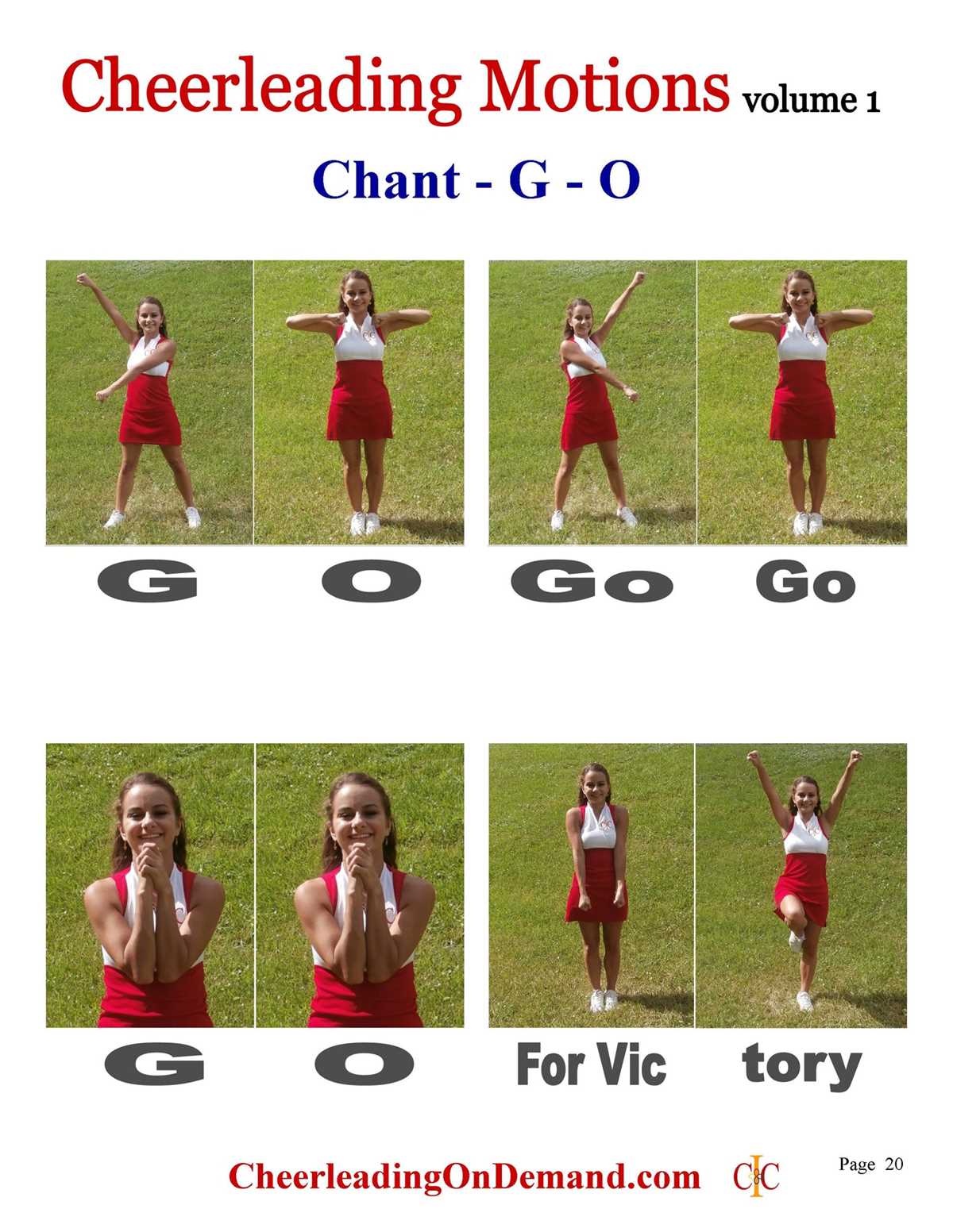
Use horizontal A4 sheets divided into six numbered frames so athletes can scan arm sequences at a glance; each frame should pair a stick-figure pose with a short caption such as “High V – count 5–6” or “Clap transition – count 7–8”.
Maintain margins of 2–2.5 cm to avoid trimming loss, place arrows showing direction of arms or torso, and label timing strictly in 8-count blocks; color coding helps orientation – for example, blue for right-side actions, red for left, black for neutral stances – while text should stay above 11 pt for visibility from roughly 2 m.
Leave one vertical column blank for coach annotations and quick corrections.
Laminate frequently used pages or insert them into plastic sleeves; repeated sessions can otherwise degrade paper within 2–3 weeks, while dry-erase surfaces typically last an entire season and allow rapid edits during rehearsals.
Organize sheets by complexity: beginner sets with 3–4 poses per line, intermediate with transitional cues, advanced pages combining full sideline combinations; rotate layouts weekly, archive outdated versions with dates, and attach small QR references linking to video clips so performers can cross-check timing and posture without carrying extra binders.