How to Make an Effective Household Task Planner for Kids
One of the best ways to help young ones stay organized and build a sense of responsibility is by introducing a daily schedule for household duties. An easy-to-follow and visually appealing planner can make the process enjoyable for children while encouraging them to take ownership of their tasks. Here are practical steps to develop a planner that works:
1. Prioritize Age-Appropriate Tasks
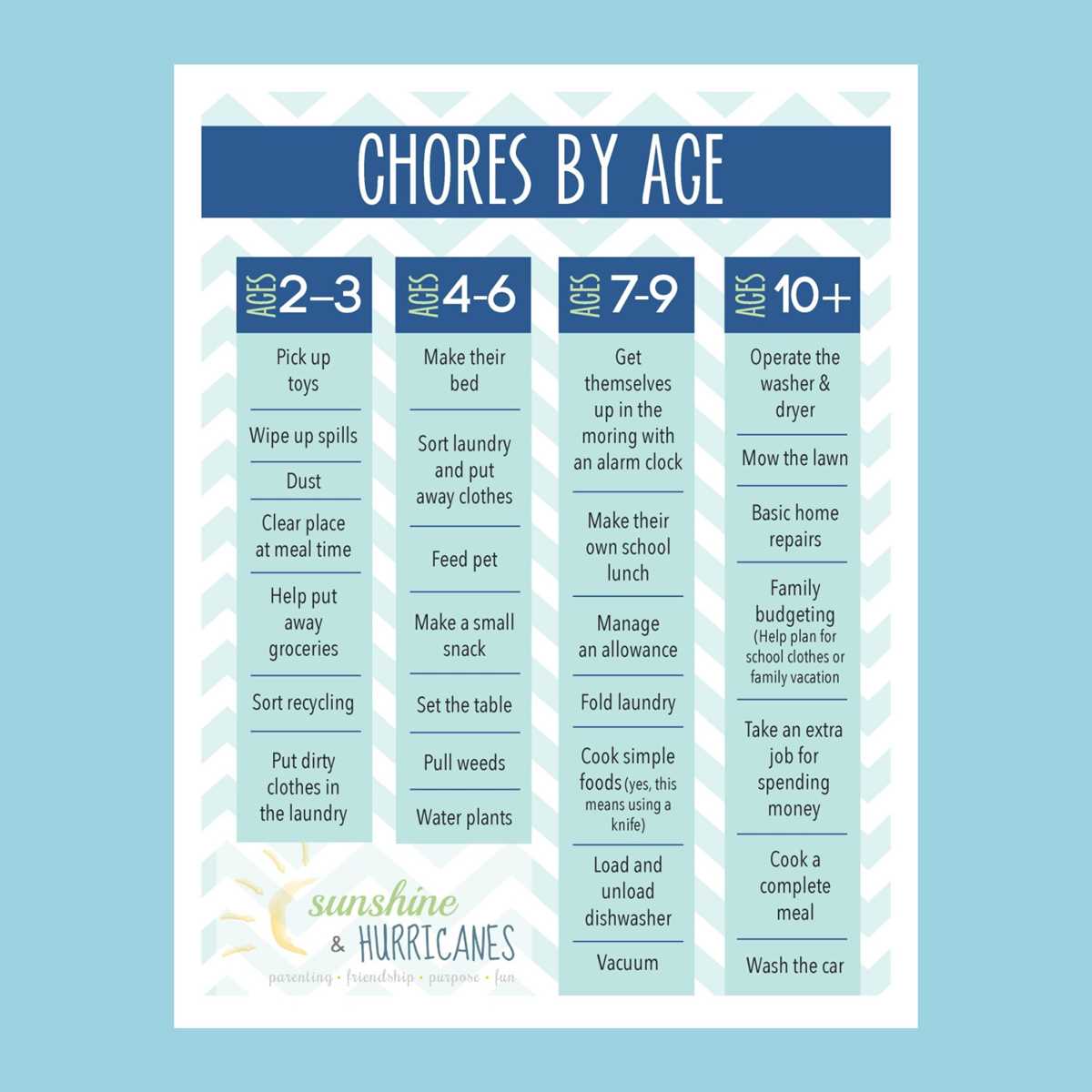
Assigning tasks that match the child’s capabilities is crucial. For younger children, activities such as making their bed, feeding pets, or sorting laundry are manageable. For older kids, more involved chores like vacuuming, washing dishes, or taking out the trash can be added to their routine.
2. Use Visual Elements
Children respond well to visuals. Incorporating colorful graphics or icons next to each responsibility can help them better understand what needs to be done. A picture of a vacuum cleaner next to the “vacuum the living room” task, for example, makes it clearer and easier for them to follow.
3. Break Down Tasks into Small Steps
Dividing tasks into smaller actions is key. For instance, instead of saying “clean your room,” break it down into smaller steps: “pick up toys,” “put clothes in the laundry basket,” “wipe down surfaces.” This makes the task feel more manageable and less overwhelming for children.
Make it Fun and Rewarding
Integrating rewards or a points system can increase motivation. For example, after completing a set of duties, kids can earn stickers, extra screen time, or small treats. Make the reward system clear and consistent to encourage a sense of accomplishment.
4. Display the Planner Clearly
Keep the schedule visible in a common area of the house, such as the kitchen or hallway. This ensures kids can easily check off their completed tasks and remember what is left to do. A laminated version with a dry-erase marker can allow for easy updates and changes as needed.
5. Create a Routine
Consistency is key. Encourage kids to follow the same routine every day or week so it becomes a natural part of their schedule. This routine helps them get into the habit of doing their assigned tasks without reminders.
6. Encourage Independence
While it’s important to be supportive, it’s equally important to let kids take the lead. Over time, they’ll develop confidence in their ability to manage their responsibilities. Give them the space to check off tasks themselves and solve any problems that arise along the way.
Conclusion
Creating a task planner for children not only helps them develop essential life skills but also empowers them to take responsibility. By using simple steps, visuals, and positive reinforcement, you can make daily duties a fun and rewarding experience for kids. With practice, these habits will turn into lifelong routines that contribute to their growth and development.
How to Organize Tasks for Kids with a Custom Schedule
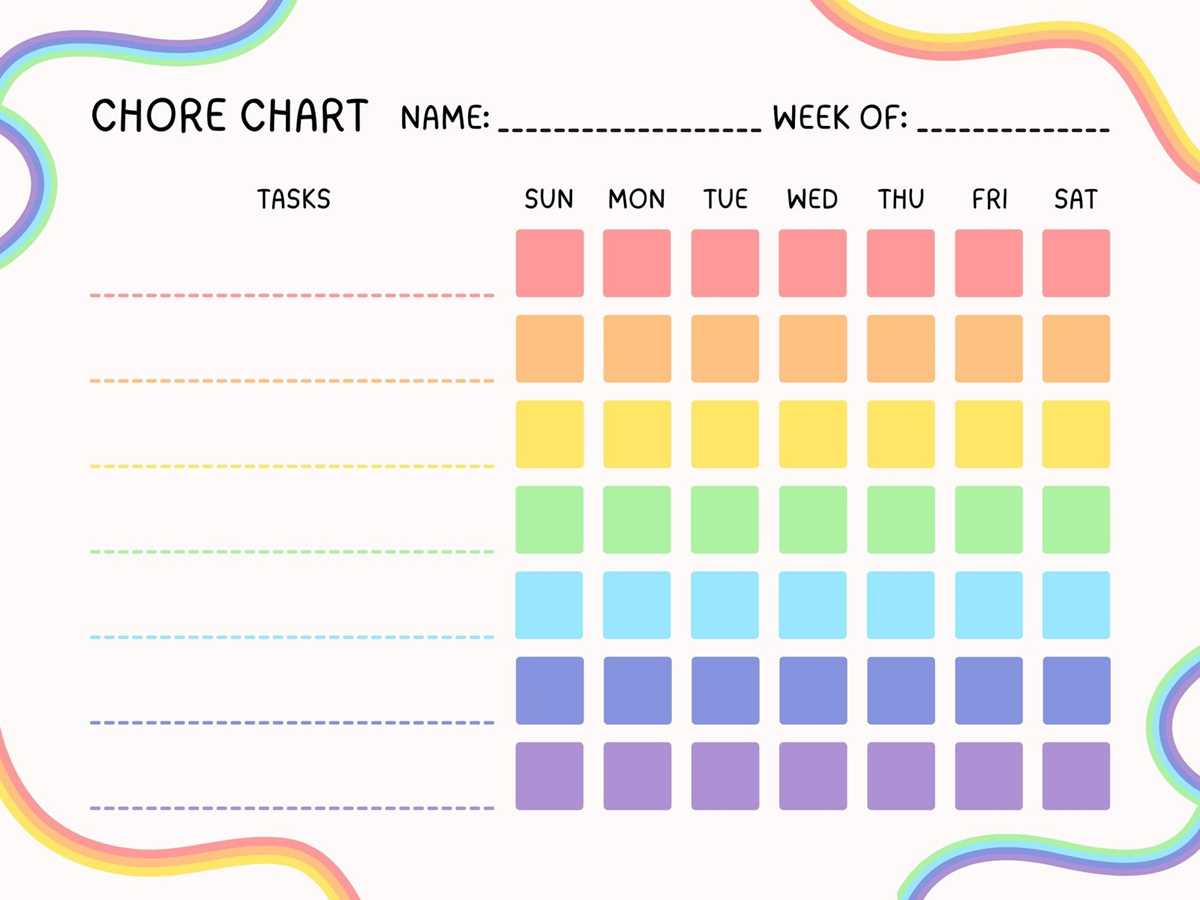
To ensure your little ones take responsibility at home, assign clear and simple jobs that they can manage. Break down the tasks into small, easy-to-understand segments, such as “put away toys” or “feed the dog.” This approach encourages consistency and minimizes confusion. Create a design where each task has a space for a checkbox or star to mark progress, helping children track their accomplishments.
Start with age-appropriate duties. For younger kids, choose tasks like setting the table or watering plants. As they grow older, introduce more complex activities, such as folding laundry or organizing bookshelves. This gradual increase builds confidence while maintaining a sense of challenge that is neither overwhelming nor too easy.
Consider the days of the week when assigning different tasks. Some activities, like taking out the trash, are better suited for weekends, while others, like making the bed, can be done daily. Structuring the schedule in a clear, visually appealing way ensures the child understands what is expected on each specific day.
A reward system works well to motivate younger children. After completing a series of tasks, offer praise or a small treat. This helps them see the value of completing responsibilities. Simple incentives, such as extra playtime or a favorite snack, can encourage a sense of achievement.
Collaborative jobs also offer a fun way to bond while teaching responsibility. Assign group tasks where siblings can work together, like cleaning up after a family meal or organizing shared spaces. This promotes teamwork and allows children to learn from one another.
Consider a flexible system that adapts to the child’s mood or energy level. Some days, they might be eager to help, while on others, they may need lighter jobs. Giving them the option to choose from a list of pre-selected tasks fosters independence while maintaining the structure.
Track progress by using visual tools such as stickers, charts, or a simple list with spaces for ticking off completed tasks. This helps the child see their efforts and reinforces the habit of finishing jobs. Celebrate each completed day with a small acknowledgment, strengthening their understanding of the importance of keeping up with regular responsibilities.