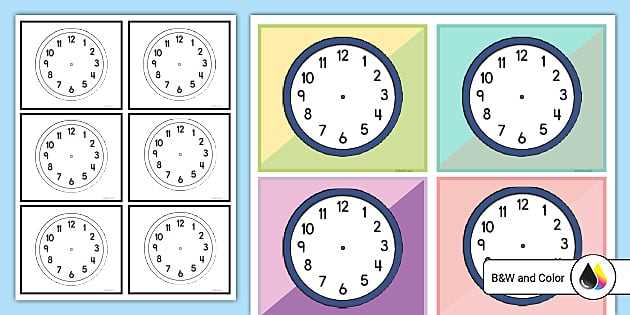
Download a blank time dial layout in A4 or US Letter size with clear hour numerals spaced at 30-degree intervals. Use a high-contrast design with bold numbers (at least 18–24 pt for worksheets) and a thick outer ring to improve visibility during group lessons and independent practice.
Select a version that includes minute tick marks at five-minute increments if students are practicing reading and setting precise times. For beginners, choose a simplified dial showing only numbers 1–12; for advanced learners, add inner 13–24 markings to support 24-hour format exercises.
Print on 120–160 gsm paper for durability during repeated use, especially if learners will attach movable pointers with paper fasteners. For reusable classroom sets, laminate each sheet and provide dry-erase markers so students can draw hour and minute indicators directly on the circular template.
Use multiple copies per page (two or four dials per sheet) to create timed drills where learners write specific times, convert between analog and digital formats, or illustrate elapsed time scenarios. Keep margins at least 10 mm to prevent trimming of outer markings during standard home printing.
Printable Clock Face Without Hands
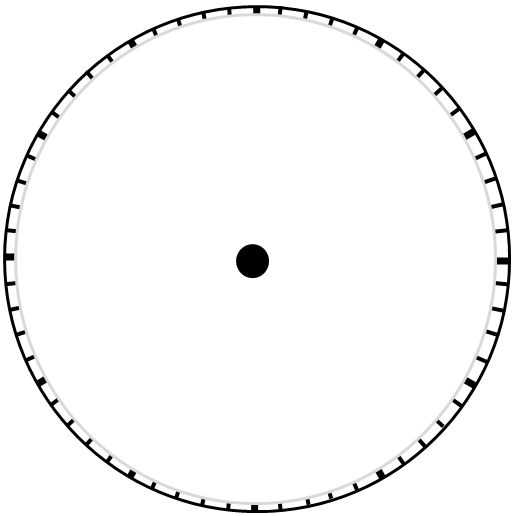
Choose a blank time dial template with evenly spaced numerals and clear minute ticks set at 6-degree intervals to match real analog geometry. A 10–12 cm diameter layout works well for individual worksheets, while 18–20 cm circles are better for wall displays and group instruction. Keep number fonts simple and bold to maintain legibility from at least two meters away.
For skill progression, prepare three variations: one showing only hour numbers, one adding five-minute markers, and one including all sixty minute divisions. This structure allows learners to practice drawing hour and minute indicators accurately, compare analog positions with digital notation, and calculate elapsed intervals by counting segments along the circular scale.
Print on sturdy paper and, if repeated use is planned, add a central hole reinforced with a metal eyelet so movable pointers can be attached using a paper fastener. Maintain a 5–10 mm margin around the outer ring to prevent trimming during standard home printing and ensure the entire time scale remains visible.
How to Use a Blank Clock Face for Teaching Hour and Minute Concepts
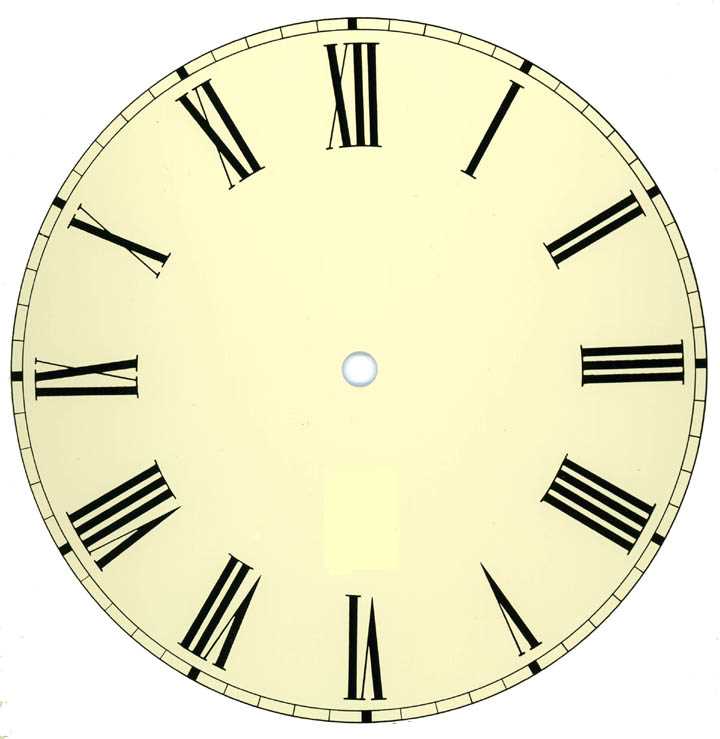
Begin with a large circular time dial showing numbers 1–12 and clear minute ticks. Ask students to place a movable hour pointer at 3 and discuss why it sits exactly on that numeral at 3:00 but shifts slightly past it at 3:30. This visual comparison builds understanding that the shorter indicator moves gradually as minutes pass.
- Assign one learner to position the hour indicator while another sets the minute indicator to a called-out time such as 4:25 or 7:50.
- Have students count minute marks in groups of five, reinforcing that each numbered interval equals five minutes.
- Cover the numerals and ask learners to label them from memory to strengthen number placement awareness.
- Provide digital times and require students to represent them on the analog dial, then reverse the task.
Introduce elapsed time exercises by marking a starting point, for example 2:10, and instructing students to advance the minute indicator forward by 35 minutes while tracking how the hour indicator shifts between numerals. Repeat with backward movement to practice subtraction of minutes. Conclude each task by asking learners to explain the position of both indicators in full sentences, reinforcing vocabulary such as “past,” “to,” and specific minute values.