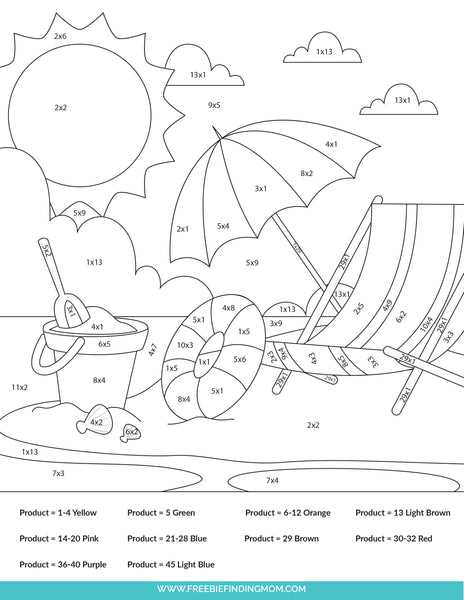
Choose math mosaic worksheets that focus on one fact family at a time, such as 3s or 7s, and limit each page to 30–50 tasks to keep practice focused and measurable. Assign a clear shade key where each product matches a specific hue, allowing students to reveal a hidden picture only after solving every equation correctly.
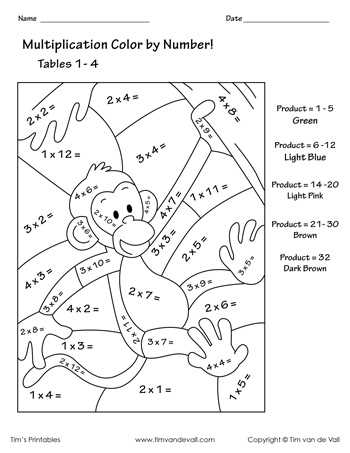
Use black-and-white PDF sheets with bold outlines and large sections for younger learners in grades 2–3, and switch to smaller segments with mixed fact sets for grades 4–5. Set a fixed time limit of 10–15 minutes per page to build recall speed, then review incorrect answers before students complete the art section. For homework, provide answer keys on a separate page and recommend crayons or pencils with strong contrast so the final image is easy to read and check.
Track progress by rotating fact groups weekly and recording completion time and accuracy rates. After two or three rounds with the same set, increase difficulty by mixing two tables on one sheet or adding two-digit by one-digit problems, ensuring steady skill growth without overwhelming learners.
Printable Color by Number Multiplication
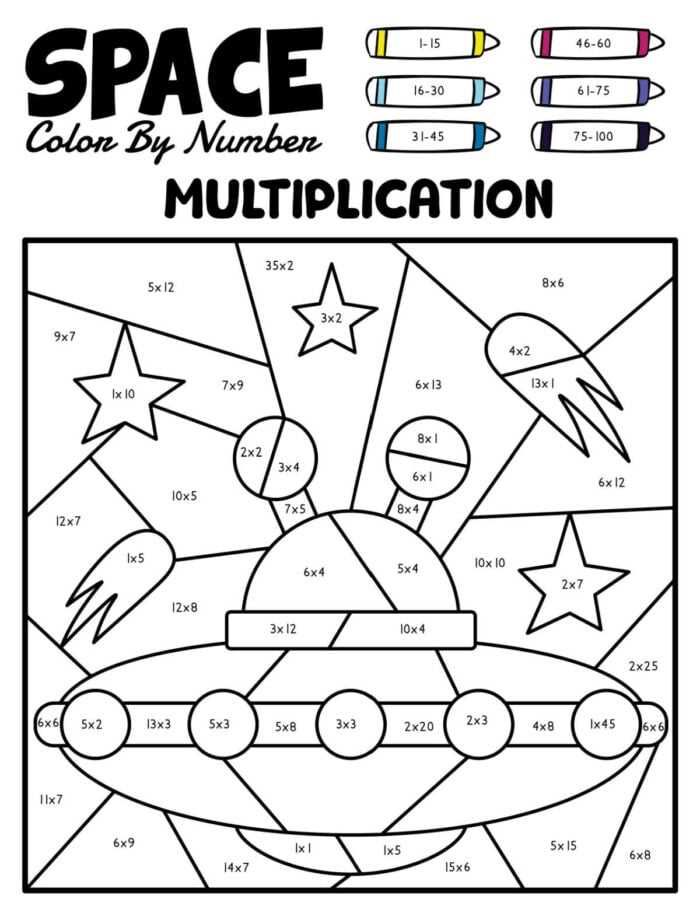
Select math art sheets that target one times table per page, such as 4s or 6s, and limit each task set to 40 equations to maintain focus. Assign each product a specific shade so that correct answers gradually reveal a hidden image, turning drill practice into a structured visual reward.
Use PDF activity pages with clearly marked sections and thick borders for grades 2–3, keeping factors within 0–10. For grades 4–5, combine two fact families on one sheet and introduce two-digit by one-digit problems, such as 12 × 3 or 14 × 6, while keeping the total exercise count under 60 to avoid overload.
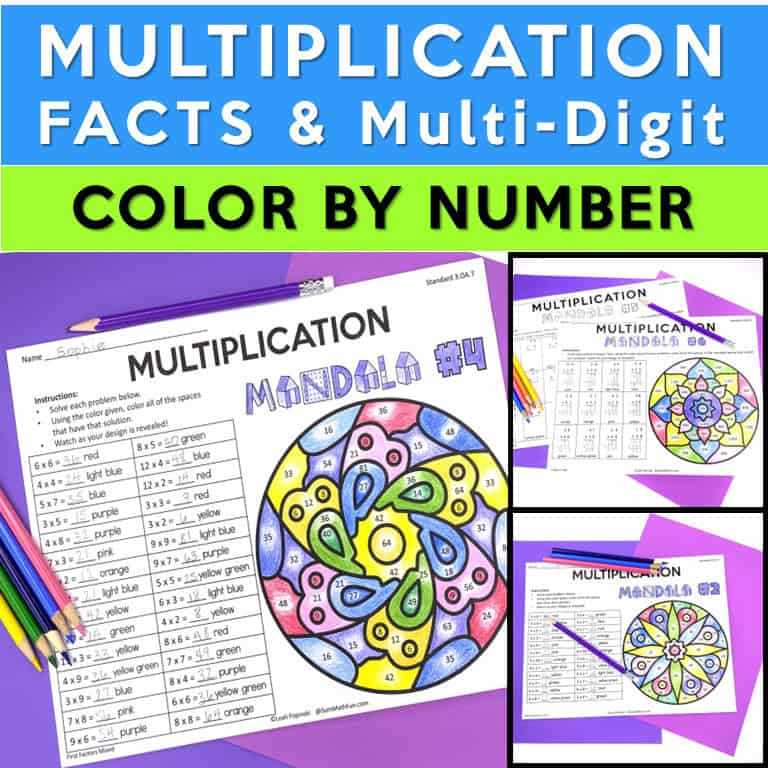
Provide a separate solution key and require learners to circle incorrect results before filling the matching areas with crayons or pencils. Set a 12-minute timer to strengthen recall speed, then review errors immediately so corrections happen while the task is still fresh.
Rotate fact groups weekly and track accuracy percentages across three sessions; once students reach 90% correct within the time limit, increase difficulty by mixing three tables or reducing visual hints in the shade legend.
How to Select Multiplication Color by Number Sheets by Grade and Times Table Range
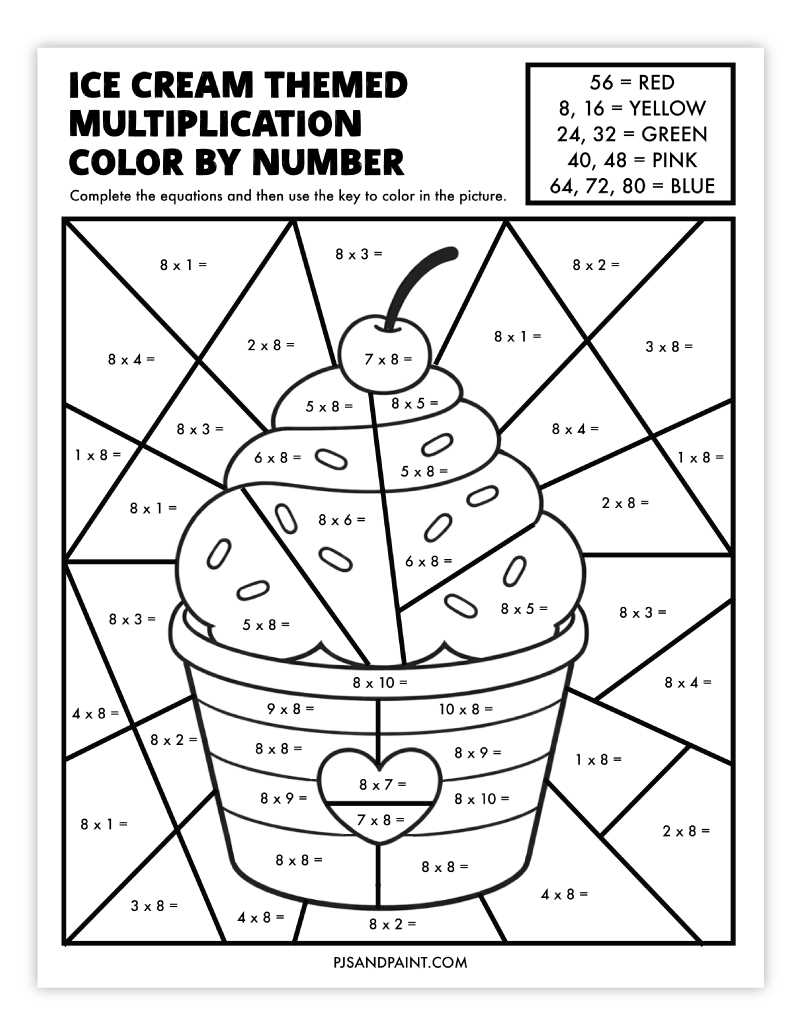
Match the task sheets to the learner’s grade and current fact mastery level: for grade 2 choose pages limited to 0–5 facts with no more than 30 problems, for grade 3 expand to 0–10 with up to 45 problems, and for grades 4–5 include mixed sets up to 12 × 12 plus selected two-digit by one-digit products such as 14 × 3. Keep the range narrow if accuracy is below 80%, and widen it only after three consecutive practice sessions above 90%.
Check the visual complexity of the picture grid before assigning it; younger students benefit from large sections (minimum 1.5 cm wide) and no more than six shade codes, while older students can handle 10–12 codes and smaller segments that require closer attention to detail.
Review the factor distribution on each page and avoid sheets that cluster one table excessively; a balanced mix like 6s, 7s, and 8s strengthens recall across related products. Track completion time and error patterns to determine whether to repeat the same fact family or introduce a broader combination set.