Best Ideas for Stress-Relieving Artworks
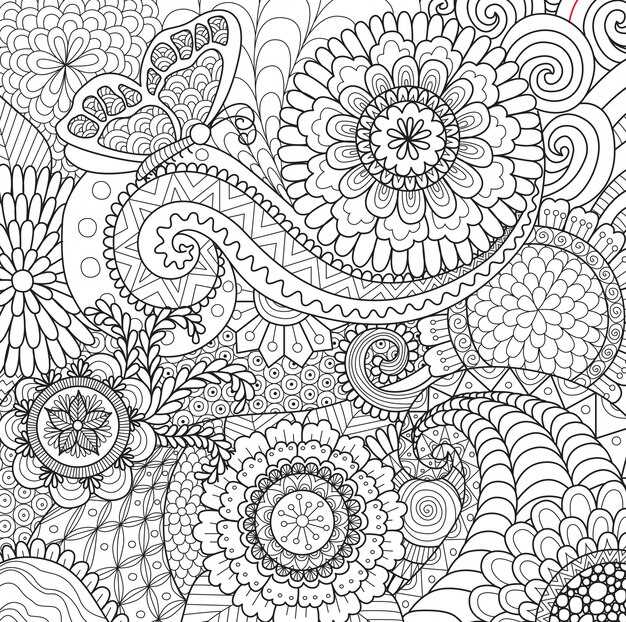
Choose intricate visuals to fill with color to create a calm atmosphere. These detailed works offer both challenge and relaxation, making them perfect for reducing anxiety. If you’re looking to enhance your art practice, try using geometric shapes, floral motifs, or abstract images that demand attention to small details. These compositions engage your mind and bring a sense of accomplishment once completed.
Choosing the Right Complexity Level
Consider starting with simpler designs if you’re new to these kinds of activities. Gradually move towards more complicated illustrations as you grow more comfortable. Simple motifs can include large spaces with few details, while intricate ones feature many small sections that require focus. Adapt the difficulty based on your current mood or available time.
Creating Your Own Designs
Sometimes, creating something from scratch is more rewarding than coloring in ready-made designs. Use tools like freehand sketching or digital design software to come up with unique visuals. These can range from symmetrical patterns to freeform drawings, depending on your preference. Don’t hesitate to experiment with line thickness, space distribution, and shapes for a personalized touch.
Where to Find Ideas
Consider looking for inspiration in nature, architecture, or cultural symbols. Natural textures like leaves, flowers, or waves are particularly calming. Architectural designs with repeating elements, such as tiles or latticework, also work well for adding rhythm to your artistic process. Cultural patterns from various traditions offer unique forms and symmetry that can make the experience more interesting.
Using Software and Templates
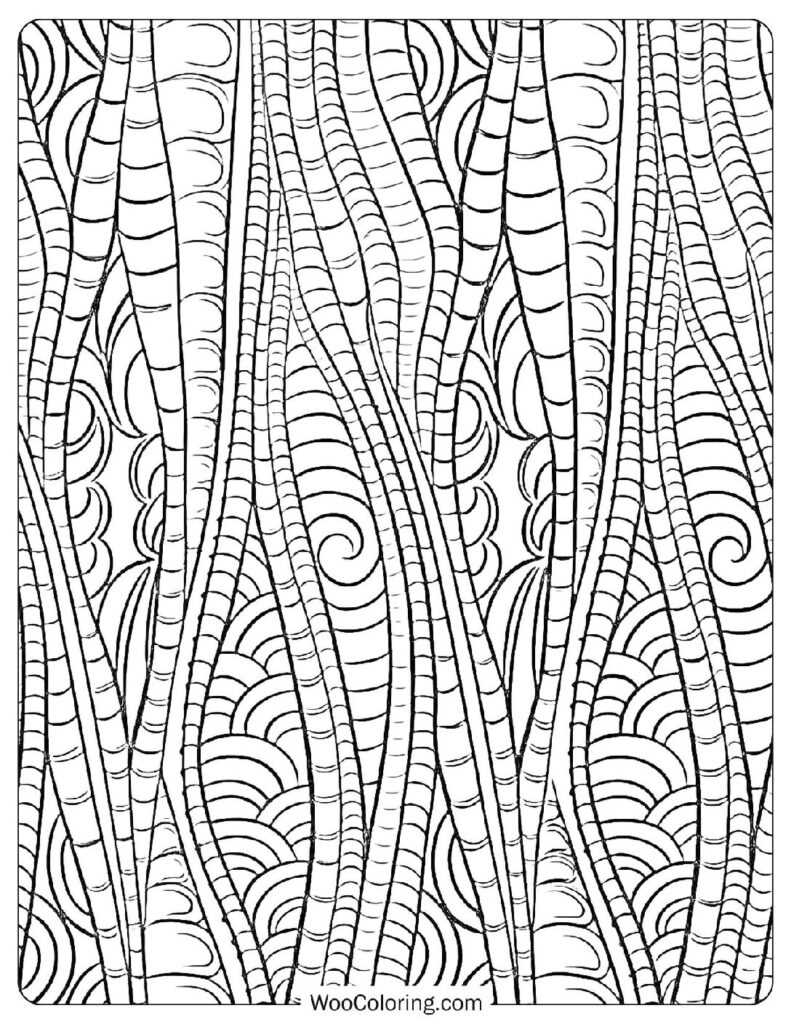
If you’re looking for a faster route, there are many free apps and websites that offer downloadable resources. These digital templates can be printed out to use at your convenience, and they provide easy access to a wide range of styles. Customizable templates also allow you to alter certain aspects like shape complexity or border thickness, which adds variety to the creative experience.
Tips for Experimenting with Color
While any set of colors will work, explore using different color combinations to achieve a specific mood. Warm tones such as reds and oranges evoke energy, while blues and greens offer calm. Try complementary hues for high contrast or analogous colors for a smooth transition. The choice of colors not only enhances the final look but can also be part of the therapeutic process.
Creative Stencils for Fun and Relaxation
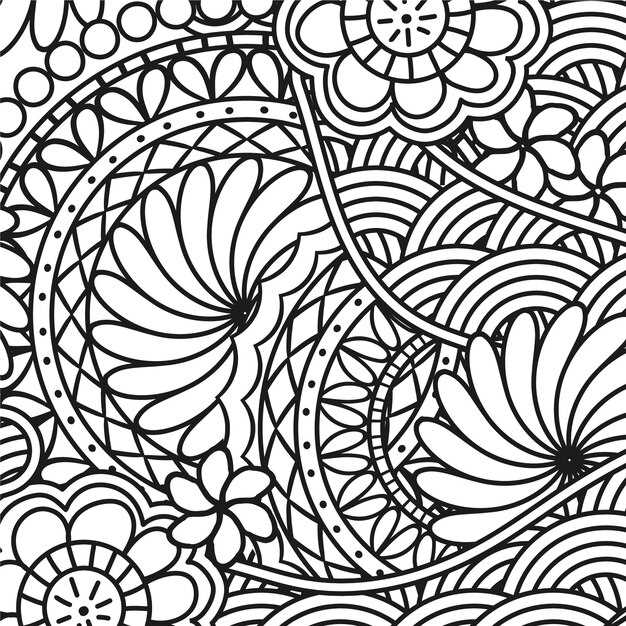
Choose simple geometric shapes for quick and easy designs, which can be filled in with solid colors or gradients for a soothing experience. Triangles, squares, or circles make ideal starting points for anyone looking to unwind. Opt for symmetrical designs to encourage balance and harmony while avoiding excessive complexity.
Try incorporating nature-inspired figures such as leaves, flowers, or trees. These organic forms can help foster a sense of peace, offering both challenge and relaxation as the curves and lines form intricate, yet straightforward layouts. Keep it minimalist to allow ample room for creative expression.
If you’re aiming for something more detailed, explore mandalas or other circular compositions. Their repetitive shapes promote focus and mindfulness, allowing the mind to engage deeply without becoming overwhelmed by complexity. Adjust the intricacy of the designs to match your mood or available time.
Consider themes like animals or abstract figures for more dynamic and playful designs. These types provide an opportunity to experiment with various color schemes, from bold contrasts to softer tones. When selecting subjects, pay attention to shapes and angles to create visually appealing results that hold your attention.
For a more personal touch, try custom stencils with your favorite motifs. Whether it’s a hobby, a seasonal theme, or an artistic style, these personalized designs will enhance the creative process and make it more enjoyable. Customization allows you to reflect your own interests while experimenting with patterns and textures.
For beginners, start with outlines of simple objects or icons. As you become comfortable, increase the detail gradually, making sure to incorporate sections that encourage color blending and shade variation. Start small and build your skills while having fun with new shapes and arrangements.