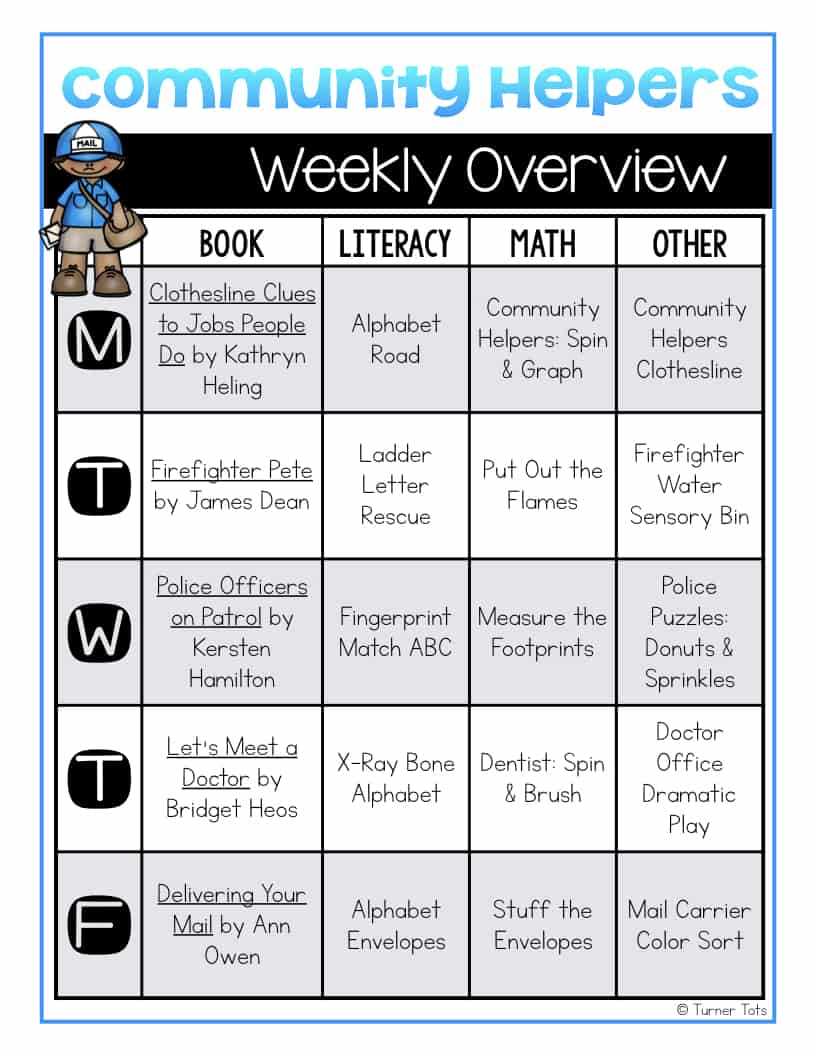
Start by printing out activity sheets that introduce various roles in society. These materials can showcase pictures of different professions, such as doctors, firefighters, and teachers. Use these images to spark conversations with children about what each job entails and why these people are important to the community.
For a hands-on experience, create simple puzzles based on the same roles. Cut out printed images and let children assemble the pieces, helping them connect the faces to the tasks that they perform. This tactile activity also builds fine motor skills while reinforcing the learning about different professions.
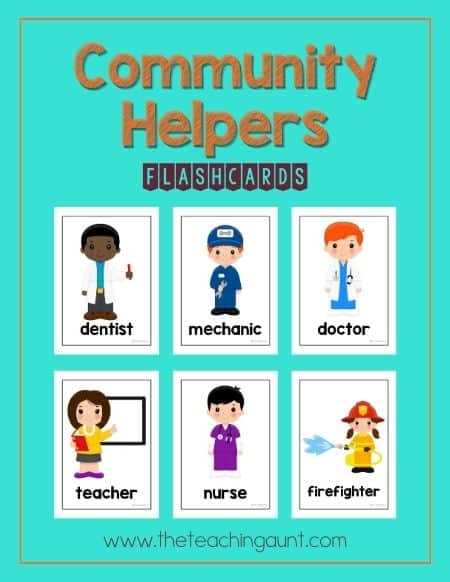
Incorporate a matching game where kids match job titles to the tools or equipment used in those roles. For example, a police officer might be matched with a badge, and a chef with a spatula. This game is a great way to make the connection between the people who work in those professions and the tools they use.
For a more creative approach, organize craft sessions where children can create their own versions of the outfits worn by these professionals. Using construction paper, scissors, and glue, they can make simple versions of uniforms, like a firefighter’s helmet or a nurse’s stethoscope. This helps children visualize the roles while exercising their creativity.
For storytime, use picture books that feature characters in various professions. After reading the story, children can draw their own interpretations of those characters and the tools they used. This reinforces what they’ve learned in a fun and personalized way.
Interactive role-playing games can also be an effective way to teach children. Let them pretend to be doctors, chefs, or postal workers for a day, acting out scenes that involve the daily responsibilities of each role. It helps them gain a deeper understanding of the tasks while having fun in the process.
Another idea is to host a “job fair” where each child presents their chosen role by acting it out and describing it to their peers. This promotes public speaking skills while encouraging children to learn more about other professions in the process.
By incorporating these hands-on activities, children will gain a clearer understanding of the different jobs people do and how they contribute to society, all while having fun and developing new skills.
Interactive Exercises to Teach Kids About Essential Jobs
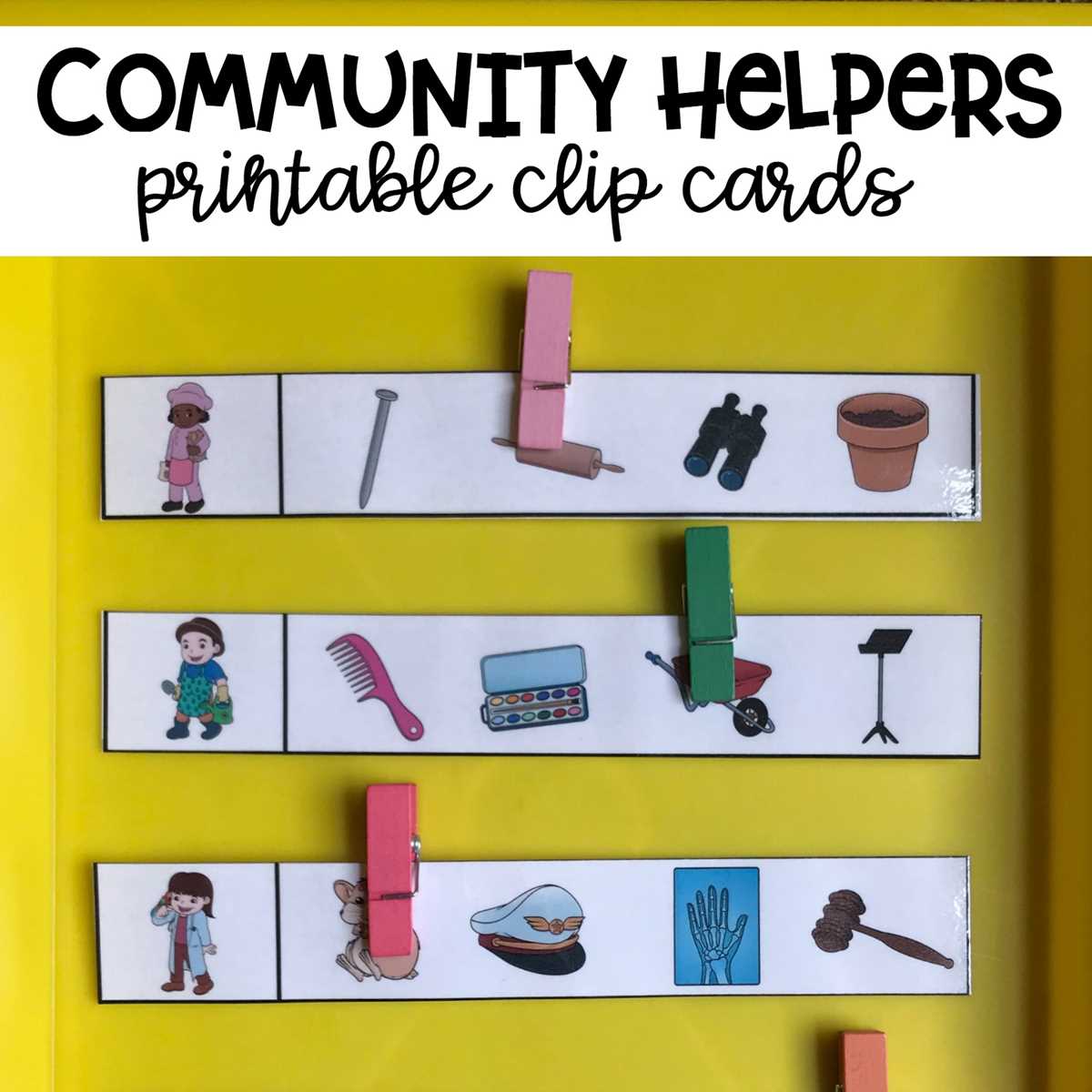
Begin by providing role-specific images or flashcards of various occupations. Let children match the image of a professional, such as a firefighter or a teacher, to their corresponding tools, like a fire truck or a chalkboard. This helps children associate the person with the equipment they use in their daily tasks.
Create a series of fun cut-out puzzles featuring these workers in action. Each puzzle can focus on a single profession, like an ambulance driver or a librarian. As the child assembles the pieces, encourage them to talk about what each job entails and how it contributes to the wellbeing of others.
Incorporate simple coloring exercises where children color images of various workers. Each profession can be depicted with distinct uniforms or settings, like a nurse in a hospital or a construction worker with a hard hat. You can assign specific colors for each role to teach kids how to recognize different jobs visually.
Engage the children in a pretend play activity where they assume the role of different workers. For instance, one child could be a police officer while another could act as a doctor. This hands-on experience reinforces their understanding of the responsibilities of each occupation, while also helping them practice social and communication skills.
Use stories that highlight the significance of different careers. After reading a short story about a firefighter saving the day, for example, encourage the children to draw what they imagine a firefighter’s day looks like. This artistic exercise helps solidify their comprehension of the job and its importance to the community.
Finally, organize a “Job Exploration Day” where each child gets to showcase what they’ve learned about their favorite occupation. They can dress up, describe the job, and share what tools or equipment are used. This activity builds confidence and reinforces the knowledge of various professions while promoting creativity and fun.