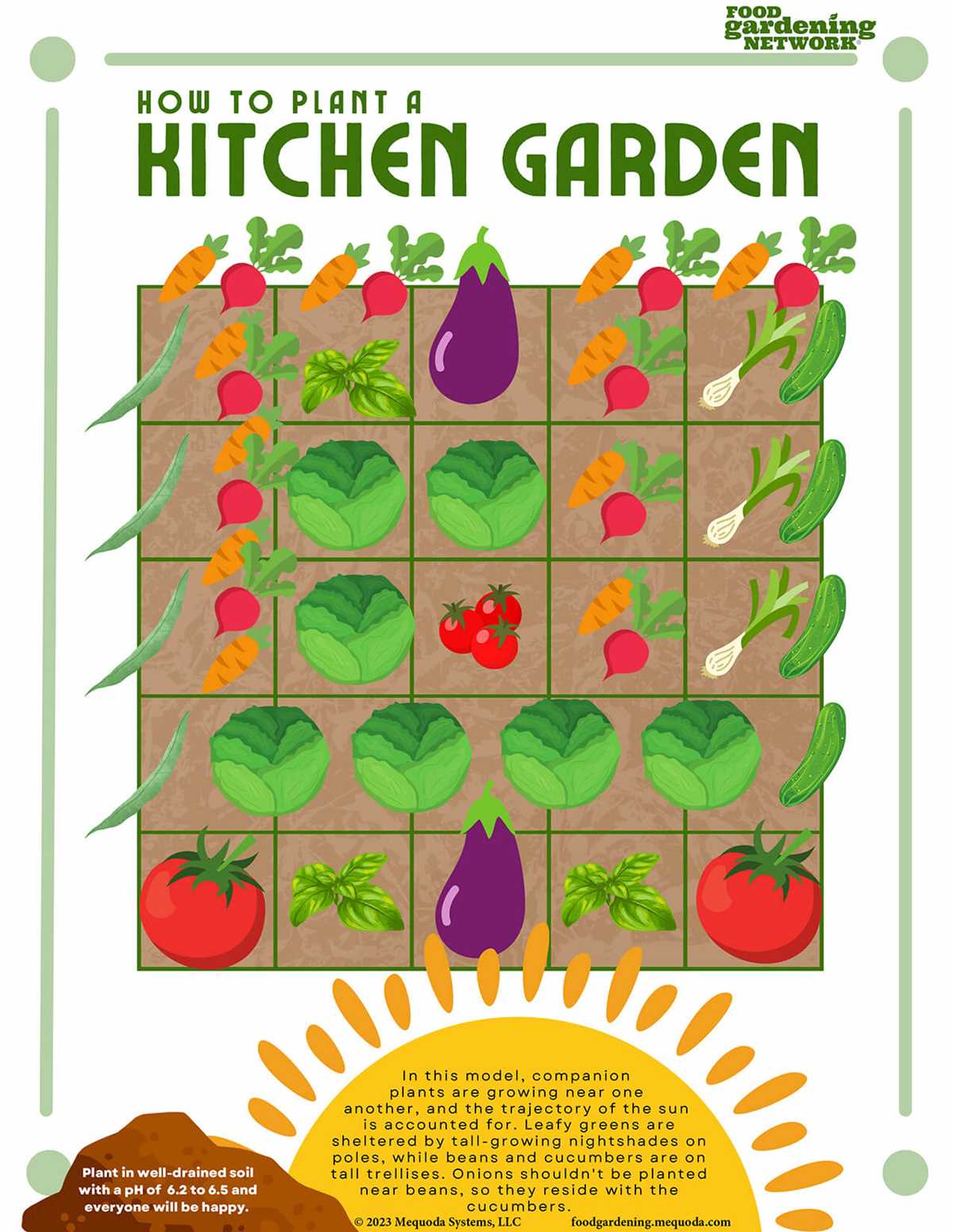
Start by selecting compatible plants that benefit each other. Some crops naturally thrive next to each other, improving growth rates, pest resistance, and overall yields. For example, beans can help enrich the soil with nitrogen, which supports leafy greens like lettuce and spinach. Choose plants that will create a beneficial environment for one another by providing support, nutrients, or protection from pests.
Consider the environmental needs of your crops. Some plants prefer full sun while others thrive in partial shade. Pairing sun-loving varieties with those that tolerate lower light levels can maximize space and reduce stress on plants. You should also group plants that share similar soil and water requirements. Proper matching will improve the chances of all your crops flourishing without overcrowding or competing for resources.
Keep track of your selections with a clear visual layout. A printed diagram can help you organize your planting schedule and placement in the garden. This allows you to visualize the relationships between your crops, helping you plan for future harvests and rotating plants. With a well-organized system, you’ll enhance productivity, make better decisions about plant arrangements, and avoid mistakes that could harm plant health.
Companion Planting for Your Garden
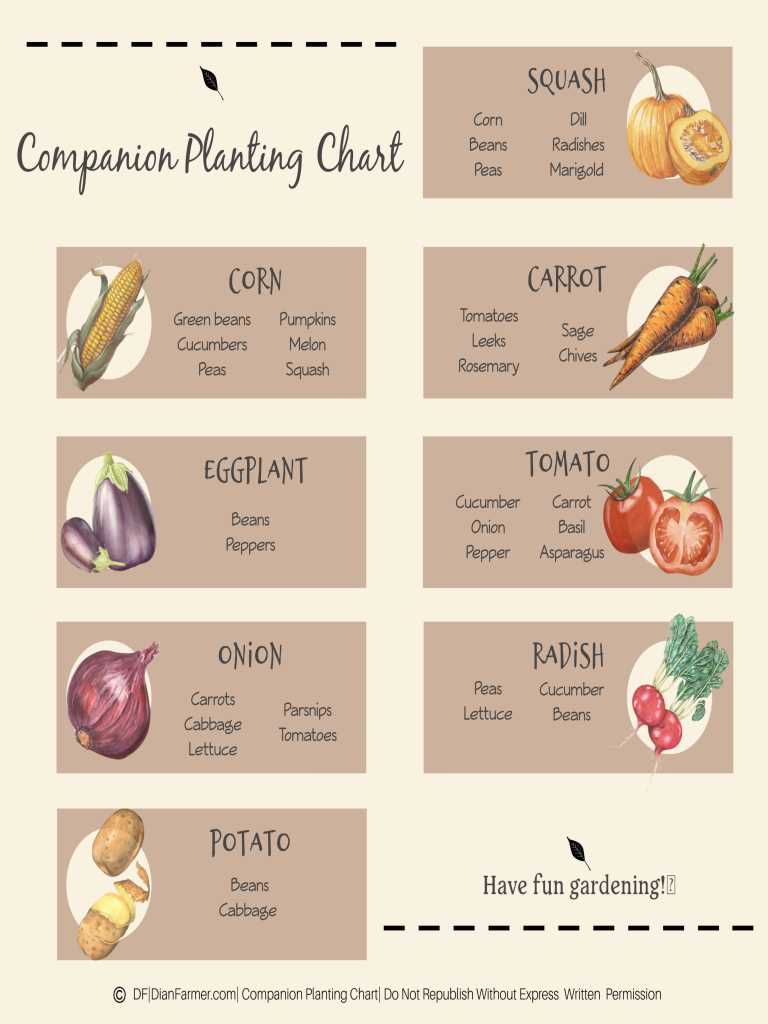
Start by pairing nitrogen-fixing plants with heavy feeders. Beans, peas, and other legumes enrich the soil with nitrogen, making them excellent companions for crops that need a lot of nutrients, such as tomatoes, corn, and cabbage. This pairing reduces the need for synthetic fertilizers, helping your garden stay healthy and productive.
Use tall plants to provide shade for smaller ones. Taller crops like corn can offer shelter for more delicate plants like lettuce, spinach, or herbs that may struggle in full sun. Planting crops that require shade near taller species ensures that they don’t become stressed from intense heat, leading to better growth and less water consumption.
Repel pests with natural plant pairings. Some plants naturally deter harmful insects, reducing the need for chemical pesticides. For example, planting marigolds alongside tomatoes can help keep aphids, nematodes, and other pests away. Similarly, basil planted near your tomato plants can act as a natural repellent for insects that cause disease.
Attract beneficial insects. Pollinators like bees and butterflies play an important role in crop production. By growing flowers such as sunflowers, cosmos, or bee balm, you can attract these beneficial insects. Planting these alongside fruit-bearing crops encourages pollination, leading to better yields.
Group crops with similar water and soil needs. Some plants require a lot of water, while others are more drought-tolerant. Pair crops that share similar water and soil needs to avoid stressing one or the other. For example, group lettuce, spinach, and other leafy greens together, as they thrive with consistent moisture, while grouping carrots and beets together works because they are more drought-tolerant.
Enhance soil health with deep-rooted plants. Deep-rooted vegetables such as carrots and parsnips can help break up compacted soil and improve its structure. This allows other plants in the area to grow more easily. In addition, root vegetables help improve drainage, reducing the risk of waterlogging for shallow-rooted crops.
Consider plant timing for crop rotation. If you plant crops that mature at different rates in adjacent rows, you can create a system that allows for constant harvesting. For example, pairing fast-growing crops like radishes with slower-growing ones like tomatoes can optimize your space and time. This also reduces the chances of pests and disease taking over a whole area at once.
Don’t overcrowd your garden. While mixing different plants together can improve growth, overplanting can cause competition for resources like light, water, and nutrients. Keep your plant arrangements well-spaced to allow each crop to thrive without overcrowding, ensuring that every plant gets what it needs to grow strong and healthy.
How to Create a Custom Companion Planting Chart
Start with plant characteristics. Identify the needs of each plant you wish to include, such as sunlight, water requirements, and growth habits. This will help you group plants with similar needs together. For example, leafy greens like spinach and lettuce thrive in cooler, moist conditions, while tomatoes prefer warmer, drier environments.
Consider natural relationships. Research which plants work well together based on their abilities to support one another. For instance, certain herbs can repel pests that damage other crops, while some vegetables can fix nitrogen in the soil, benefiting nearby plants. Take note of these relationships as they will form the foundation of your design.
Plan for space and growth patterns. Be mindful of each plant’s size and how it will spread throughout the growing season. Larger plants, like corn or squash, may shade smaller crops, so they should be placed in areas where they won’t compete for sunlight. Likewise, vining plants should be kept away from crops that require upright growth.
Choose compatible plants. Once you’ve established the space and growth habits, create a list of compatible pairs. For example, basil and tomatoes are often paired together, as basil helps deter pests that can harm tomatoes. Similarly, beans and corn complement each other, with beans providing support for the corn stalks while improving soil health.
Adjust for crop rotation. In order to maintain soil health and reduce the risk of pests and diseases, include rotation into your design. Rotate plant families each year to prevent nutrient depletion and soil-borne diseases. For instance, after growing root vegetables like carrots or beets, follow them with legumes to restore nitrogen levels.
Use your design as a planting guide. Once you’ve completed your custom map, use it as a planting guide during the season. Keep it updated based on changes in your garden layout, crop performance, or new plants you decide to try. Regularly reviewing the chart will help improve future plantings and garden productivity.