Creating fun and engaging activities for young children can be simple with just a few materials and some creative ideas. If you’re looking for a way to introduce kids to the magic of storytelling while encouraging hands-on learning, making art based on well-loved storybooks is an excellent choice. Here are a few ideas that will get the little ones involved in creating colorful and imaginative projects.
Easy Projects Using Basic Supplies
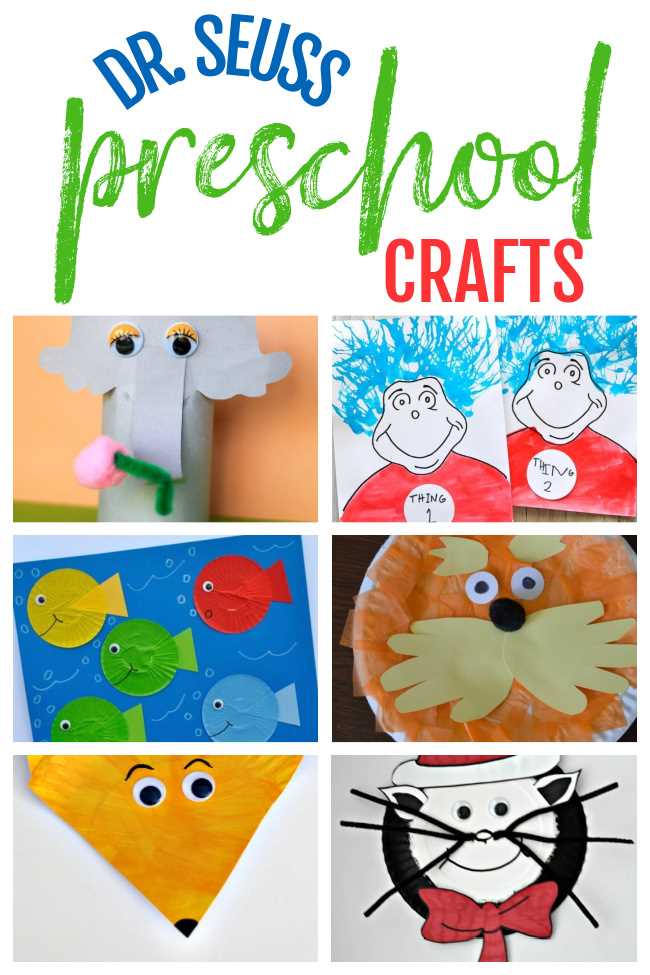
Start by gathering basic supplies such as colored paper, markers, glue, and scissors. With these simple items, kids can bring the world of their favorite characters to life. For example, cut out shapes of animals or objects that appear in stories, such as hats or fish, and let the children decorate them. They can use crayons and stickers to add personality to each item, making it their own creation.
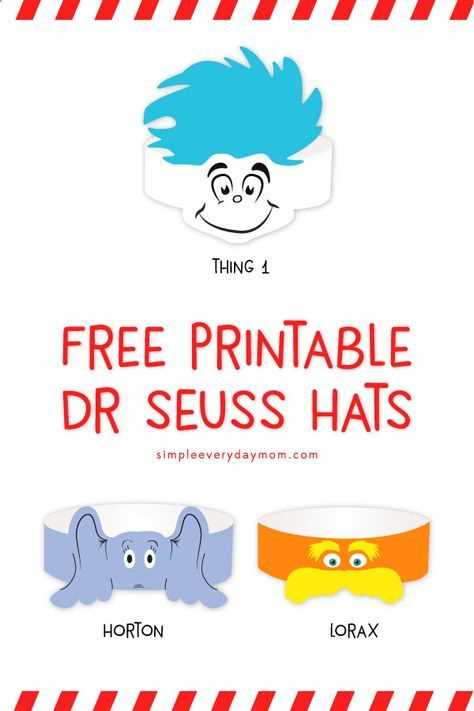
Consider making masks based on characters from the book, like the Cat in the Hat, or even creating paper hats for role-playing. This kind of activity builds not only artistic skills but also enhances imagination as kids engage in pretend play.
Template Ideas for Crafting and Coloring
Using templates makes it easy for kids to start crafting without having to worry about drawing complex shapes. You can find downloadable patterns of various objects from their favorite stories. Some fun ideas include:
- Animal cutouts: These can be used for fun puppet-making activities, where children can pretend to be different characters and act out parts of the story.
- Building structures: From houses to castles, young children can cut and paste to create their own mini-worlds, helping them understand how stories come to life through the environment around them.
- Coloring pages: Print out coloring sheets featuring scenes or characters that can be colored in and then cut out to be used in a display or for a mini-gallery.
Interactive Learning Through Story-Inspired Projects
Combine stories with art for a deeper learning experience. After finishing their crafts, engage the children in a discussion about the story they’ve just explored. Ask questions like “What was your favorite part?” or “What would you change in the story?” This not only enhances comprehension but encourages critical thinking and dialogue.
Another fun activity is to ask children to recreate their favorite scenes from the book. For example, if they enjoyed a particular moment with the grumpy character or a fun adventure, have them create a diorama or a simple model using cardboard and paper cutouts to reflect the scene. This helps kids connect what they’ve read with their creative ideas.
Reusing Crafts for Continued Fun
Don’t let the projects sit idle once they’re completed. Use the crafted items in a display area or incorporate them into an ongoing activity. For example, you can create a display wall where the children’s artwork can be swapped out or added to as they continue exploring different stories. This allows children to feel proud of their work and gives them a sense of accomplishment each time they complete a new project.
Creative Ideas for Young Children Using Famous Characters
Start by selecting easy-to-follow shapes and objects from well-known children’s books. Using these, you can help the kids create simple paper cutouts or collage pieces. For example, you can cut out shapes of hats, fish, or other iconic items and let the children decorate them with markers or stickers. This helps them connect to the characters without being overwhelmed by complex instructions.
For a hands-on activity, create paper hats or crowns with the children, decorated with fun colors and stickers. This allows kids to step into the world of the story and pretend to be their favorite characters. It’s a great way to introduce them to the joys of imagination and storytelling.
Coloring Sheets and Fun Templates for Exploration
Provide downloadable coloring sheets that represent the characters or scenes from the books. These templates help children to concentrate on coloring while stimulating their creativity. Let the kids color scenes or objects from their favorite stories, using crayons, colored pencils, or even paints. This allows them to engage with the material and reflect on the themes they just explored.
Another great idea is creating scene templates for them to color, then cut out and assemble. Kids can be encouraged to create their own storyboards using these pre-drawn scenes, where they can add their own touch to make the scenes their own.
Interactive Playtime with Simple Paper Figures
Using the cutouts or coloring pages, help the children create their own paper figures for imaginative play. For example, after coloring a character, they can cut it out and attach it to a stick to make a puppet. This encourages kids to use the characters for story-telling sessions or puppet shows, reinforcing language skills and imaginative play. It’s an excellent way to bring the books to life in a fun and engaging way.
Another activity involves making simple animal figures or objects from the stories that the children can use in games. These paper creations can serve as props for role-play, enhancing their understanding of the story while giving them an interactive learning experience.
Creating Simple Dioramas for a Visual Experience
Dioramas are an excellent way for kids to visualize a scene from their favorite book. Using a shoe box or cardboard, they can create small scenes with paper cutouts of characters, trees, houses, or other elements from the story. After coloring and cutting out various shapes, kids can glue them to the inside of the box to set the scene. This not only builds their crafting skills but also helps with spatial awareness and storytelling.
Once the diorama is complete, you can use it as a platform for further discussion. Encourage the children to describe the scene and add more details to their creations. This can help develop their communication skills and foster creative thinking.