Start by selecting a theme that will excite your group. Whether it’s a treasure hunt, a mystery to solve, or a detective story, the theme should drive the types of puzzles you create. Choose a few central puzzles that tie into the theme and develop clues that guide the participants from one puzzle to the next.
Designing Engaging Challenges
Choose a variety of puzzles to keep the participants engaged. For example, create a mix of word games, riddles, and logic puzzles. You can also include physical tasks, like assembling a jigsaw puzzle or unlocking a combination lock based on clues found earlier. The key is variety: combine mental challenges with fun activities that involve teamwork.
Word-Based Puzzles
Riddles and anagrams are perfect for adding intrigue to the experience. Make sure each puzzle leads participants closer to the final solution or hidden clues. For a spooky or thrilling atmosphere, use cryptic language and hidden messages that participants need to decipher. This keeps the tension high and the excitement flowing.
Preparing the Printables
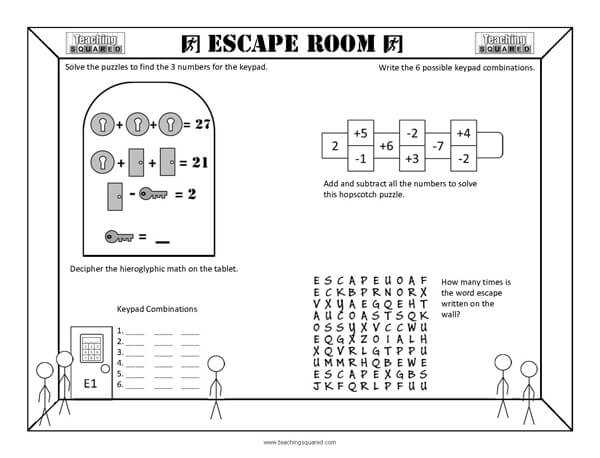
After deciding on the puzzles, create printable materials that participants can use to solve the challenges. This includes clue sheets, codes, maps, and encrypted messages. Design these on a simple document editing program and print them in high quality to make sure the text and images are clear. You can also add some decorations or themed illustrations that match the tone of the activity.
Tips for Organizing the Printables
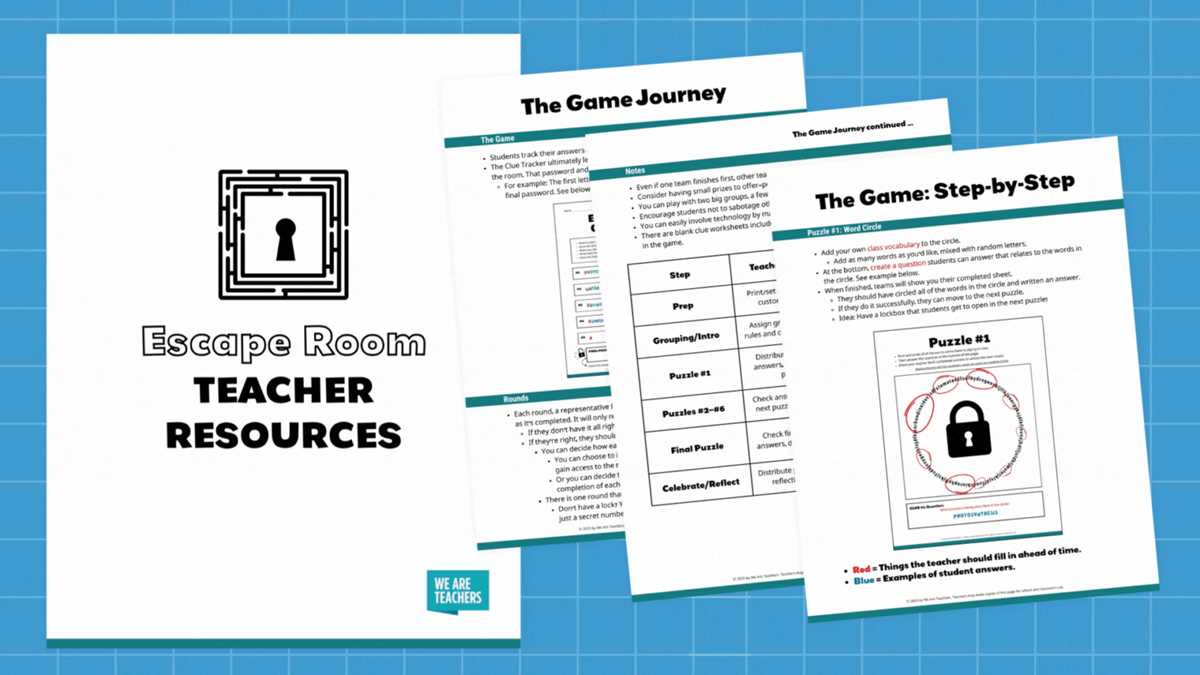
Consider creating an envelope for each set of clues or puzzles. Label the envelopes in a way that matches the theme (e.g., “top secret” or “treasure map”). If your game is based on a storyline, each new envelope should reveal the next chapter or stage of the adventure. This step-by-step process adds excitement and helps players stay on track as they solve each puzzle.
Once the puzzles are set up, try a practice run with a friend or family member to make sure the difficulty level is just right. Adjust the clues and their sequence as needed based on feedback from your testers. This will help ensure your adventure is fun, challenging, and rewarding for everyone involved.
Creating an Interactive Puzzle Adventure for Home
Design a storyline that progresses as players solve puzzles. Each challenge should reveal part of the narrative, keeping participants motivated. For example, after solving a cipher, they could find a clue that directs them to the next stage of the adventure. This flow encourages excitement and a sense of accomplishment as they move through the puzzles.
Use a variety of puzzle types to keep participants engaged. Include logic problems, cryptic messages, and physical tasks that require hands-on interaction, such as unlocking a box or assembling a jigsaw puzzle. A balanced mix of mental and tactile challenges enhances the experience, making it enjoyable for a wide range of players.
Print out your clues on sturdy paper, ensuring that the text and images are clear and easy to read. You can use colorful designs and illustrations to match the theme, such as treasure maps or mysterious symbols. Make sure all the materials are organized, as this will make the game easier to set up and flow smoothly.
Test the puzzles before setting them up for a group. Play through the adventure yourself or ask a friend to do it, and see if the difficulty level is appropriate. Adjust any clues or puzzles that may be too difficult or too easy. A smooth progression from one challenge to the next is key to keeping the excitement high.