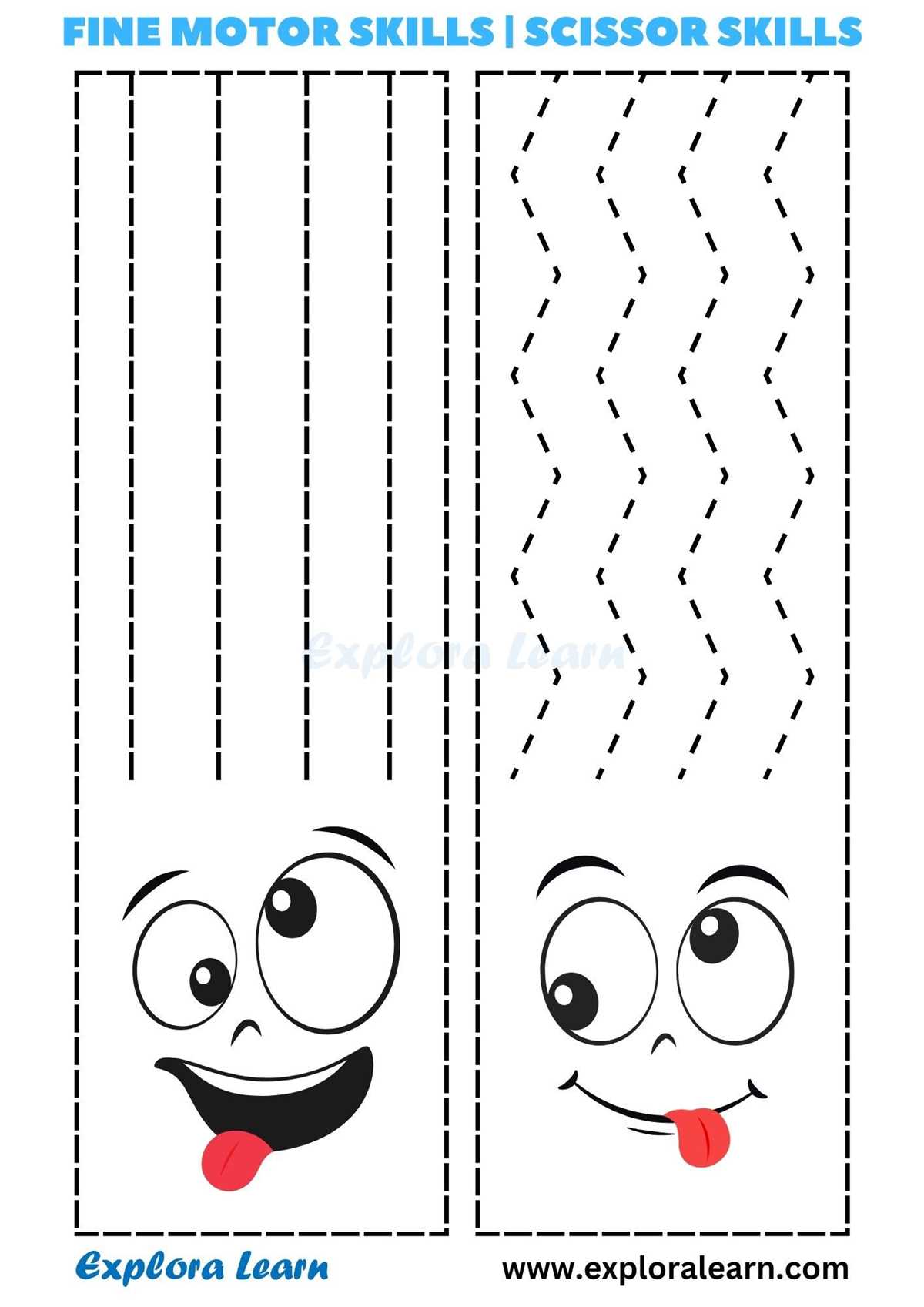
Start by selecting simple tracing exercises for young children. These tasks involve following dotted lines or connecting numbers, which helps build hand-eye coordination. You can find downloadable templates online that feature shapes, animals, or even letters to trace.
Activities for Different Age Ranges
For toddlers, try cutting exercises where they follow along straight or curved lines. This encourages grip strength and control. As children grow, offer more intricate designs that involve cutting out shapes like stars or hearts. These tasks require a steady hand and focus.
For older kids, offer tasks that involve using small buttons, beads, or string. These improve finger dexterity and help with precision. Activities like lacing or buttoning allow them to practice fine movements in a fun way.
Where to Find Free Resources for Printable Exercises
Several websites provide free resources for activities aimed at improving hand coordination. Popular platforms like Pinterest or educational blogs often feature collections of free downloadable worksheets that you can print directly. Look for themes like animals, nature, or abstract patterns to keep the tasks interesting.
If you’re looking for more specialized options, try sites dedicated to early childhood development or educational resources. These often have themed exercises tailored to specific age groups, ranging from toddlers to pre-teens, ensuring there’s something for everyone.
Engaging Tasks for Developing Hand Strength and Coordination
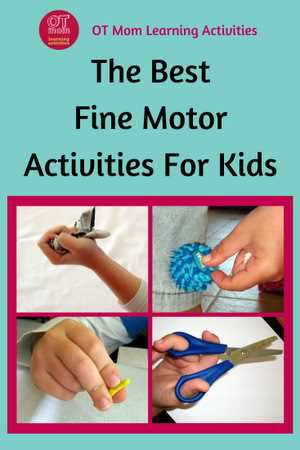
Start with simple exercises like dot-to-dot designs. These can be downloaded from various educational websites and involve following numbers or letters to create shapes. It’s a great way for children to develop control over their hand movements.
Another great activity is tracing shapes or letters. Print templates with bold outlines for kids to trace using a crayon or pencil. This helps improve grip and coordination, especially in younger children who are still building their motor control.
For children a bit older, cutting out patterns and pictures is an excellent exercise. Templates featuring geometric shapes or animals work well. It helps kids practice holding scissors properly, cutting along lines, and improving hand steadiness.
For more advanced tasks, try lacing cards or beading. These types of exercises require children to use small objects like buttons or beads, threading them onto strings. Such tasks significantly improve finger dexterity and the ability to focus on precise movements.
Kids can also practice folding paper into simple origami shapes. Simple instructions paired with images can guide them step-by-step. This activity builds spatial awareness and strengthens hand-eye coordination.
If you’re looking for more interactive options, try puzzle games that involve piecing shapes or images together. These require fine manipulation and contribute to both problem-solving skills and physical dexterity.
To find a variety of these tasks, check educational websites and parenting blogs. Many platforms offer downloadable files for free or at minimal cost. Use these resources to keep the exercises fresh and engaging as children progress in their hand development.