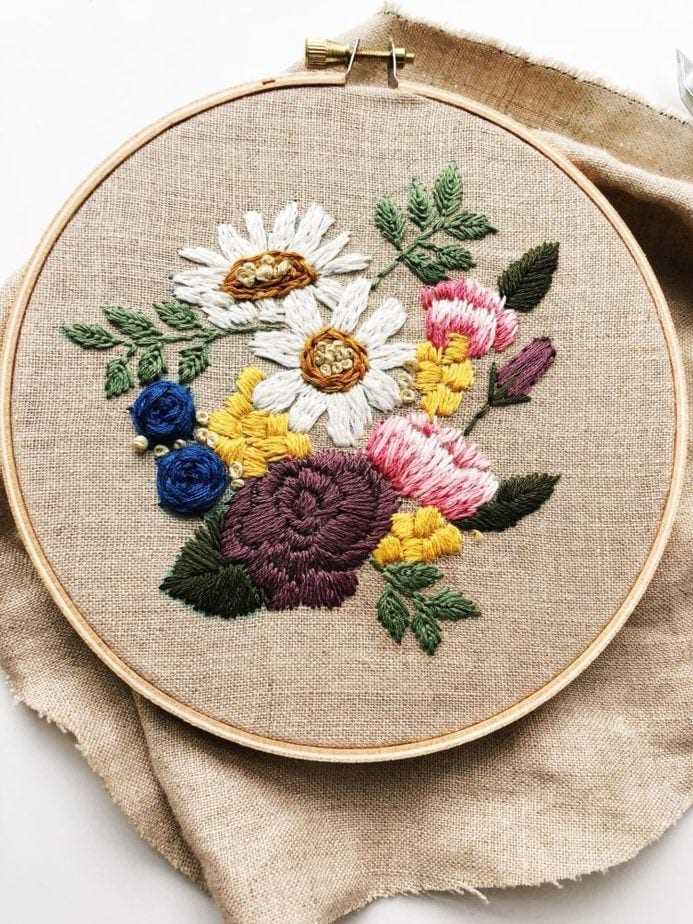
Start with a few simple designs that you can easily transfer to your fabric. Choose a motif that matches your project’s theme, whether it’s a pillow, tote bag, or wall hanging.
Selecting the Best Floral Motifs
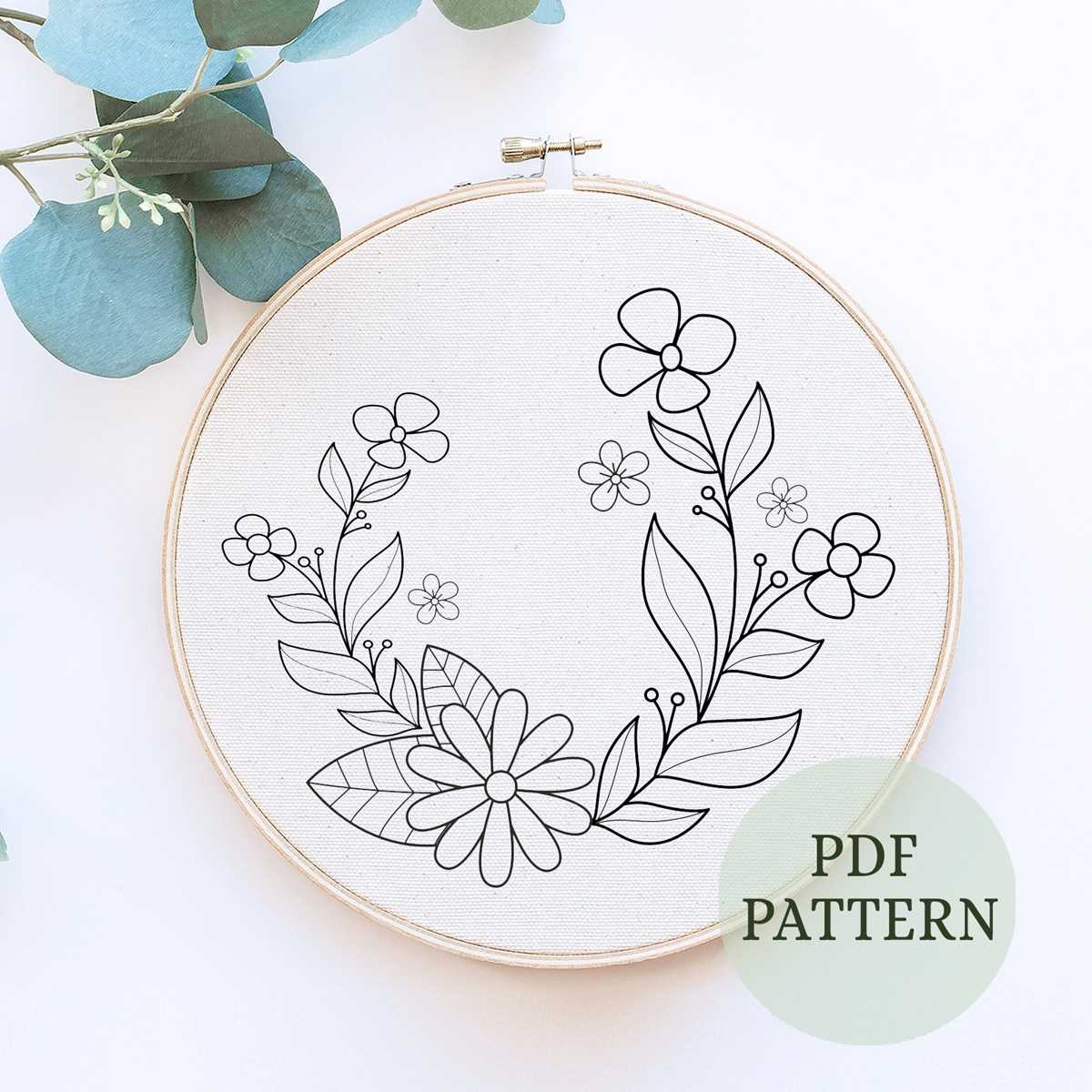
Pick a pattern that suits the fabric type you are working with. For delicate fabrics like linen or cotton, go for more intricate, fine lines. For sturdier fabrics like denim, you can try bold, larger shapes that make a statement.
Consider the colors of your threads and the fabric when selecting a design. Bright, contrasting colors work well for lighter fabrics, while muted or darker tones complement heavier materials.
Transferring Designs to Fabric
Once you’ve chosen a design, the next step is transferring it onto your fabric. You can either use carbon paper to trace the design, or if you’re comfortable, draw the design directly onto the material using a fabric pen or pencil.
For more intricate designs, consider using a lightbox to ensure your design is accurately transferred. Simply place the fabric over the design and trace it lightly with a fabric-safe pencil.
Remember, don’t worry if the lines aren’t perfect. Embroidery is a forgiving craft, and small imperfections will blend seamlessly into the finished piece.
After transferring, secure your fabric tightly in an embroidery hoop to keep it taut. This will help you maintain even stitches and achieve a clean, professional-looking finish.
Using Floral Designs for Needlework Projects
To begin, choose a design that fits the size of your project. If you’re working with small items like bookmarks or coasters, opt for compact motifs. For larger projects such as table runners or wall hangings, you can select more intricate, sprawling designs.
Consider the level of difficulty of the design before starting. Simpler images with larger spaces between elements are better suited for beginners, while more detailed artwork can provide a rewarding challenge for experienced crafters. You can always scale up or down depending on your comfort level and project needs.
When working with more complex designs, use a lighter touch with your stitching. Focus on one section at a time and make sure each stitch is even before moving on to the next part. This will prevent any distortion in the design, especially with more delicate, flowing shapes.