Key Features of the Neurological Scoring System
This tool helps evaluate the level of consciousness in patients with potential brain injuries or altered mental states. It is structured to assess three primary responses: eye-opening, verbal response, and motor response. These categories are scored based on the patient’s observable behavior and reactions to stimuli, allowing for a quick and clear assessment of neurological function.
1. Eye Opening Response
- 4 – Spontaneous eye opening
- 3 – Eye opening to verbal commands
- 2 – Eye opening to painful stimuli
- 1 – No eye opening
2. Verbal Response
- 5 – Oriented, converses normally
- 4 – Confused, disoriented speech
- 3 – Inappropriate words
- 2 – Incomprehensible sounds
- 1 – No verbal response
3. Motor Response
- 6 – Obeys commands for movement
- 5 – Purposeful movement to painful stimuli
- 4 – Withdraws from painful stimuli
- 3 – Abnormal flexion (decorticate posture)
- 2 – Abnormal extension (decerebrate posture)
- 1 – No motor response
How to Utilize the Scoring System
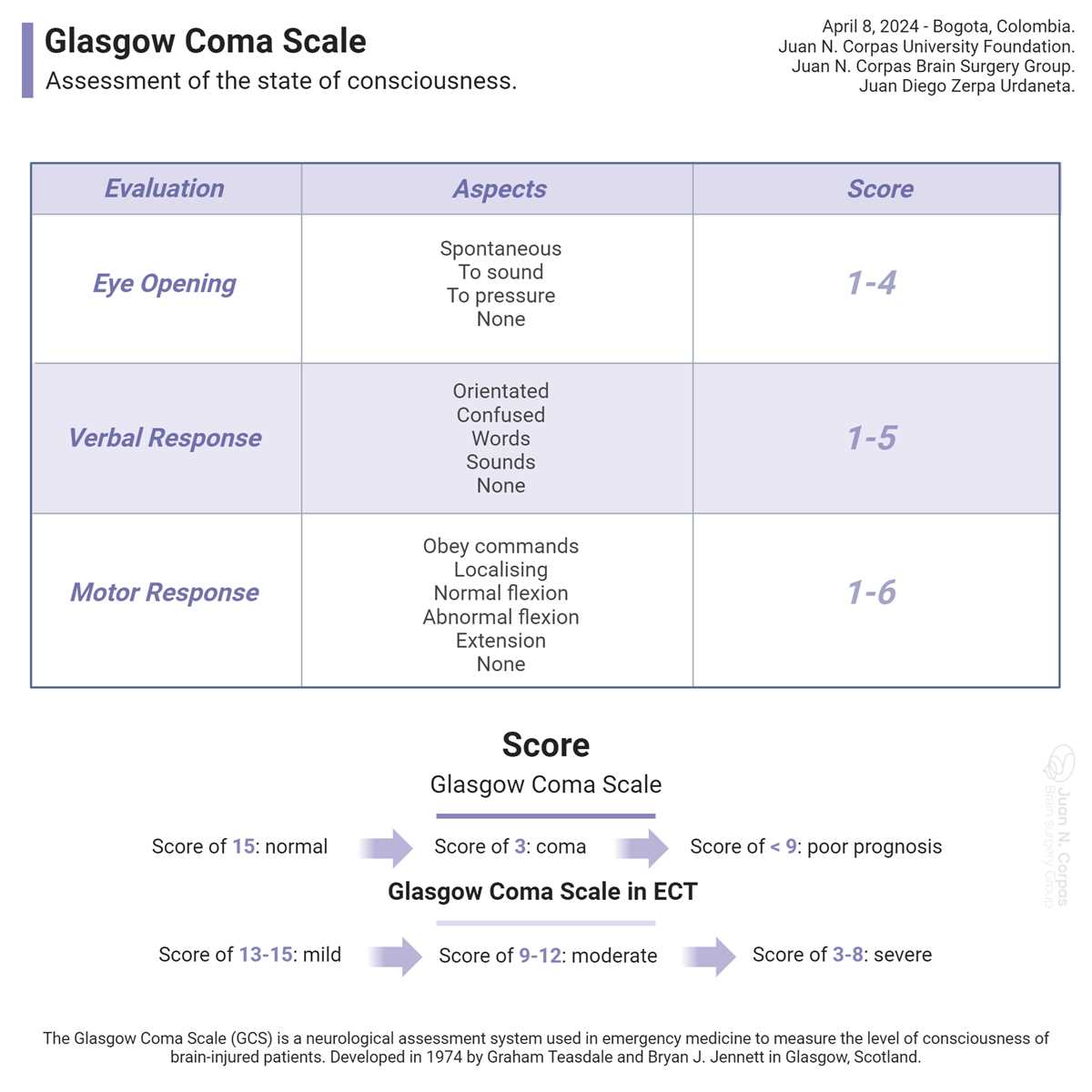
To use this evaluation method effectively, assess each response individually, then sum the scores to obtain a final result. The higher the score, the better the neurological function. A lower score indicates more severe impairment and may suggest the need for urgent medical intervention.
Quick Reference for Total Scores
- 15 – Fully alert and responsive
- 9–14 – Moderate impairment of consciousness
- 8 or below – Severe impairment, immediate attention required
Use in Medical Settings
This method is commonly used in emergency rooms, intensive care units, and during initial assessments in trauma care. It offers clinicians a quick and reliable way to monitor changes in a patient’s condition, assisting in treatment decisions and prognosis evaluations.
Advantages of Using This Assessment Tool
- Quick to apply: Provides immediate information for decision-making.
- Clear scoring system: Standardized for consistency across medical professionals.
- Objective measure: Limits subjective interpretation and enhances reliability.
Conclusion
The scoring system is a critical part of assessing neurological function, providing valuable insights into a patient’s level of consciousness. Whether used for initial evaluation or ongoing monitoring, it is an indispensable tool in medical settings. Ensure regular and accurate use to inform timely and appropriate medical care.
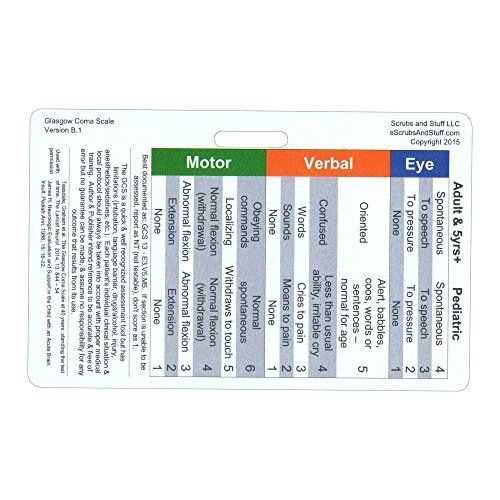
Practical Guide to Using the Glasgow Coma Score Tool
For quick evaluation of patient responsiveness, a printed version of the assessment tool is invaluable in clinical settings. It allows healthcare providers to document levels of consciousness, making it easier to track changes during emergency and follow-up care. Ensure that the scoring sheet is readily accessible and that all practitioners are familiar with its layout and scoring process to facilitate accurate assessments.
Each section of the evaluation sheet should clearly distinguish between the three response categories: eye opening, verbal response, and motor response. The most straightforward method for using the tool is to evaluate each category independently and then sum the points. When examining verbal response, pay special attention to clarity and the patient’s ability to form coherent words or sentences. A complete absence of verbal communication or inappropriate speech should be noted accordingly.
Accurate scoring depends on proper timing and observation. The response levels must be gauged under standardized conditions, meaning that external factors such as medications or distractions should not influence results. Ensure the score is recorded immediately after the test is completed to avoid errors in documentation, especially in fast-paced environments like trauma units or intensive care units.
In addition to the printed form, a summary of common scoring errors can be a helpful reference for clinicians. Incorrect scoring often arises from misinterpretation of motor response, particularly in patients with limited movement. It is recommended to provide training for all staff to recognize subtle cues, such as purposeful movement or abnormal posturing, to prevent these types of errors.