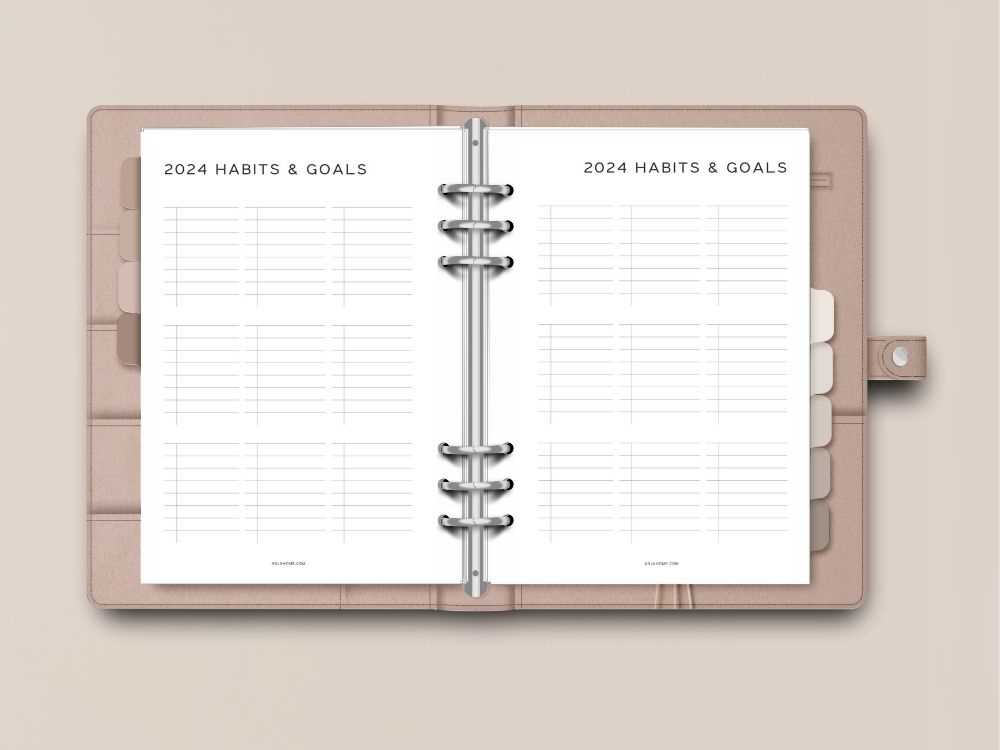
To turn your ideas into actions, create a structured document that outlines what you want to accomplish, why it matters, and the steps needed to get there. Break down each target into smaller, manageable parts, and be specific about deadlines. Clear, actionable steps help prevent overwhelm and allow you to focus on measurable progress.
Use a section for tracking milestones along the way. For example, after setting a target, identify key achievements or checkpoints that will mark progress. This keeps you motivated by showing tangible progress as you move closer to your main objective. Make sure to update this section regularly to stay on track.
Be sure to include a space to record obstacles or challenges you may face. Identifying potential roadblocks in advance allows you to prepare solutions or adjust your approach as needed. This proactive planning improves your ability to stay focused and find alternative strategies when things don’t go as planned.
How to Use a Structured Document for Tracking Objectives
Start by clearly defining the steps required to reach each of your intended outcomes. Divide your tasks into small, manageable actions that can be completed on a daily, weekly, or monthly basis. This breakdown helps to keep the focus on achievable tasks rather than feeling overwhelmed by the overall objective.
Include a timeline for each task along with specific deadlines. Marking progress and ticking off completed tasks creates a sense of accomplishment. Make sure to adjust the plan as necessary if obstacles arise, ensuring flexibility in the approach without losing sight of the final aim.
How to Structure a Goals Worksheet for Clear and Achievable Objectives
Start by defining the outcome you want to achieve. Be specific about the result you expect, whether it’s completing a project, hitting a sales target, or improving a skill. The clearer the objective, the easier it will be to create actionable steps. Write down the desired outcome in one sentence to keep it focused and concise.
Break down the desired result into smaller, manageable tasks. For example, if your objective is to improve your fitness, list specific actions such as “exercise three times a week” or “meal prep every Sunday.” These smaller tasks should be realistic and time-bound, which helps to prevent procrastination.
Set a timeline for each action. Assign deadlines to every task, whether daily, weekly, or monthly. This step ensures that the process remains organized and that progress is measurable. Additionally, include a final deadline for the overall outcome, ensuring you stay motivated to meet the target.
Incorporate a section for tracking progress. Create columns or spaces where you can check off completed tasks or make notes on what is working and what isn’t. This section is key to maintaining momentum and staying on track. Regularly updating it will give you a visual representation of how far you’ve come and how much is left to accomplish.
Allocate space for potential challenges or obstacles you might face. Anticipate these problems and brainstorm possible solutions. This foresight helps you stay prepared and minimizes frustration as you work toward completing your tasks.
Finally, include a section for reflection and adjustments. After completing the tasks, evaluate whether the outcome was achieved and if the process needs any tweaking for future goals. Reflection helps in identifying areas for improvement and keeps the process flexible for future projects.