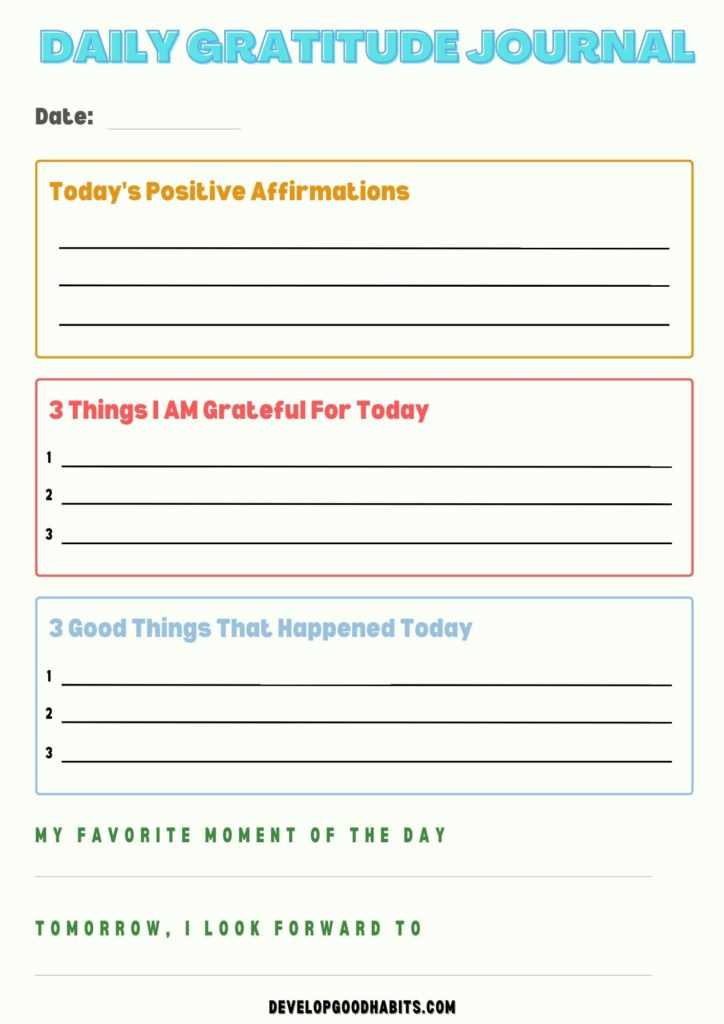
Start each day by listing three specific things you are thankful for. Write down the exact moment or experience that made you feel grateful, and explore why it impacted you deeply. This practice shifts focus from what you lack to what you already possess, creating a foundation of appreciation for the small moments that often go unnoticed.
Every week, challenge yourself to reflect on a particular area of your life, like relationships or personal achievements. Rather than general statements, get specific–think of a recent interaction that made you smile or a personal milestone that felt rewarding. These concrete examples will help ground your mindset in the present and reinforce a sense of accomplishment.
On days when you’re feeling down, make a list of things that brought you joy, even if they seem small. Whether it’s a cup of coffee, a conversation with a friend, or simply the warmth of the sun, jotting down these details reminds you that positivity exists even in ordinary moments.
Use this practice consistently to rewire your brain, focusing on the positives that surround you and developing a deeper connection to your inner sense of well-being.
Effective Techniques for Reflective Writing
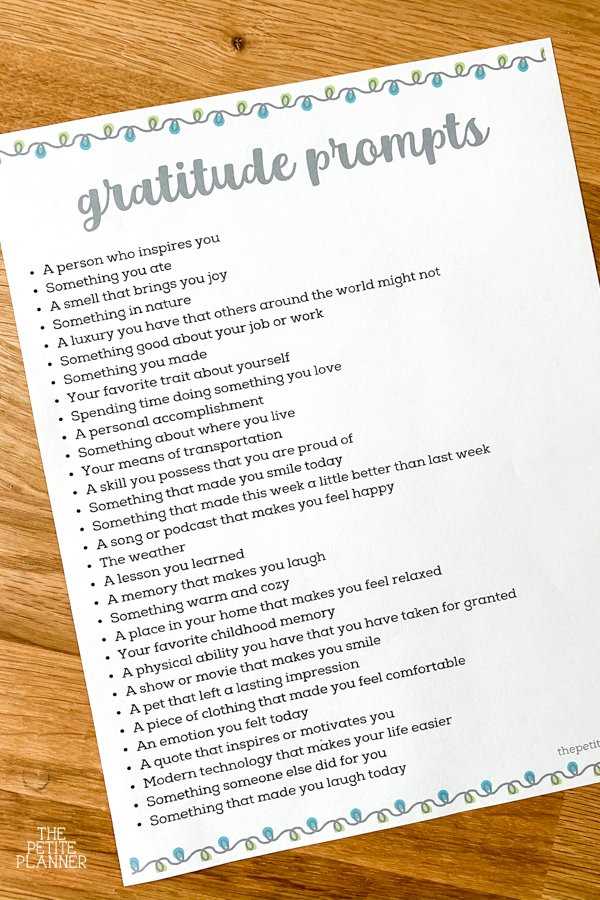
Begin each day by identifying one person who positively influenced your mood or mindset. Describe their action or words and explain how it affected your attitude. This practice fosters a deeper awareness of social connections and their impact.
Focus on a specific object in your environment that brings you comfort or joy. Write a detailed description of it and reflect on why it holds meaning for you. This task helps highlight the small, often overlooked sources of positivity in your life.
Consider a recent challenge you faced. Reflect on how you handled it, the lessons learned, and any strengths you discovered within yourself during that time. This approach encourages growth by revisiting moments of adversity with a mindset of personal development.
List three things you’re thankful for that happened in the last 24 hours. Each entry should be unique and specific. This exercise enhances mindfulness by focusing attention on the present rather than dwelling on the past or future.
Think about a place where you feel at peace. Write about your sensory experiences there–what you see, hear, smell, and feel. This exercise not only cultivates a sense of tranquility but also improves the ability to recall calm moments in times of stress.
Reflect on a skill or talent you’ve developed over the years. Describe how it has shaped your life and the ways it contributes to your sense of achievement. This reflection builds self-esteem and a deeper appreciation of personal growth.
Write a letter to your future self. Describe the goals you hope to achieve and the mindset you want to maintain. Revisiting this letter periodically can act as a reminder of aspirations and the steps needed to attain them.
How to Create Your Own Custom Reflection Questions
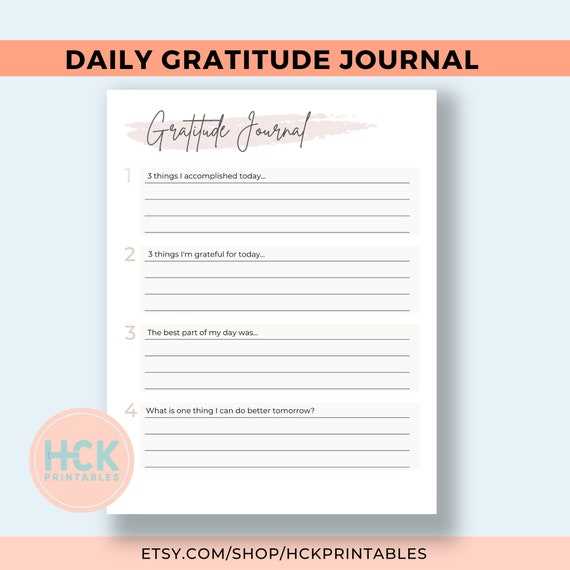
To craft meaningful exercises for self-reflection, begin by focusing on what aspects of daily life you’d like to explore. Consider questions that tap into emotions, experiences, or moments that provide insight. Select areas that can evoke appreciation, like personal growth, relationships, or even the little things that bring peace. Aim for simplicity and clarity in phrasing–keep prompts easy to interpret and answer.
Design your questions to be open-ended, encouraging deep thought. For example, replace vague suggestions with specifics: instead of asking, “What are you thankful for?” use “What event today made you feel most at ease?” or “Who in your life has shown you kindness recently?” Once you have your list, organize them into sections by theme. Using bullet points will help ensure clarity and make it easy to navigate each reflection. Don’t forget to leave space for personal notes or responses after each prompt.