Start by acknowledging the need for structured reflection during times of emotional pain. Engaging in focused writing exercises can help individuals articulate feelings that are difficult to express verbally. These tools are designed to encourage the release of pent-up emotions, providing an outlet for both sorrow and healing.
One effective method is to create prompts that allow for deep introspection. For instance, writing about the most significant memories or unspoken words left behind can aid in processing complex emotions. These exercises guide individuals through a personalized approach, helping them navigate their emotional responses with clarity.
Another technique is tracking personal progress through self-assessment questions. Documenting shifts in emotional states over time fosters a sense of control and awareness, allowing individuals to recognize patterns and triggers in their grief. This form of writing is not only therapeutic but also empowers users to take active steps in their recovery process.
Lastly, consider exercises that focus on gratitude for the positive aspects of the relationship that has been lost. Writing down qualities you admired in the individual and how those traits have shaped your own life can turn the process of remembering into a source of comfort. By focusing on the meaningful connections, it is possible to transform the experience of loss into one of reflection and emotional growth.
Tools for Navigating Emotional Recovery

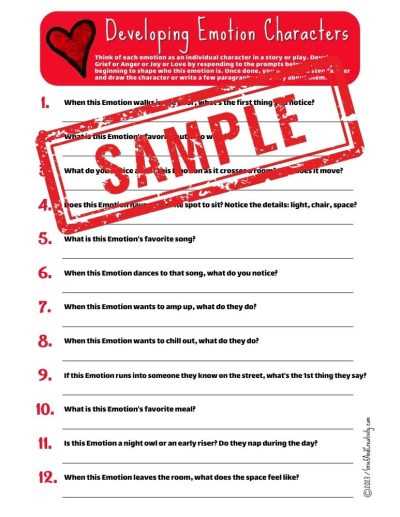
One practical resource for managing loss is the use of structured activities. These exercises help clarify feelings, track emotional progress, and set clear goals for healing. For example, a journal that prompts users to document their thoughts each day can guide them through moments of despair. It encourages introspection and offers a space for recognizing the nuances of emotional responses to grief.
Filling out daily reflection forms allows individuals to express themselves in writing, shifting focus from intense emotions to actionable steps. A common exercise involves listing things that bring comfort and those that feel overwhelming, creating a balance between challenging thoughts and positive coping mechanisms. Regularly completing these tasks enhances awareness of emotional states and provides measurable evidence of recovery over time.
Another powerful tool is the “feeling wheel” technique. This involves identifying specific emotions connected to the pain of loss and expanding on them. The process encourages a deeper understanding of how feelings evolve and interact, enabling people to break down complex emotions into manageable parts. Such exercises can be printed for daily or weekly use, ensuring consistent engagement with one’s healing process.
How to Use Worksheets for Emotional Expression
Begin by selecting an activity that matches your emotional state. If you’re feeling overwhelmed, opt for simple tasks like journaling your thoughts. This allows you to release pent-up emotions without forcing any complex reflections. If you’re ready to explore deeper feelings, try prompts that encourage self-reflection on specific experiences or memories. Focus on expressing feelings in writing rather than analyzing them–this helps avoid emotional blockages.
Next, create a structured routine around the exercises. Set aside time each day to engage in these activities, ideally when you’re alone and in a calm environment. This consistency not only encourages emotional release but also helps in identifying patterns in how you react to certain topics or memories. With regular practice, you’ll gain clarity on your feelings and develop a better understanding of your emotional processes.
Finally, use the resources to connect with others, whether through group discussions or shared experiences. If comfortable, share what you’ve written or learned from the exercises. This can lead to deeper emotional connections and support networks, which are important for healing. Keep in mind that emotional growth requires time, and these tools provide space for expression, reflection, and gradual processing.