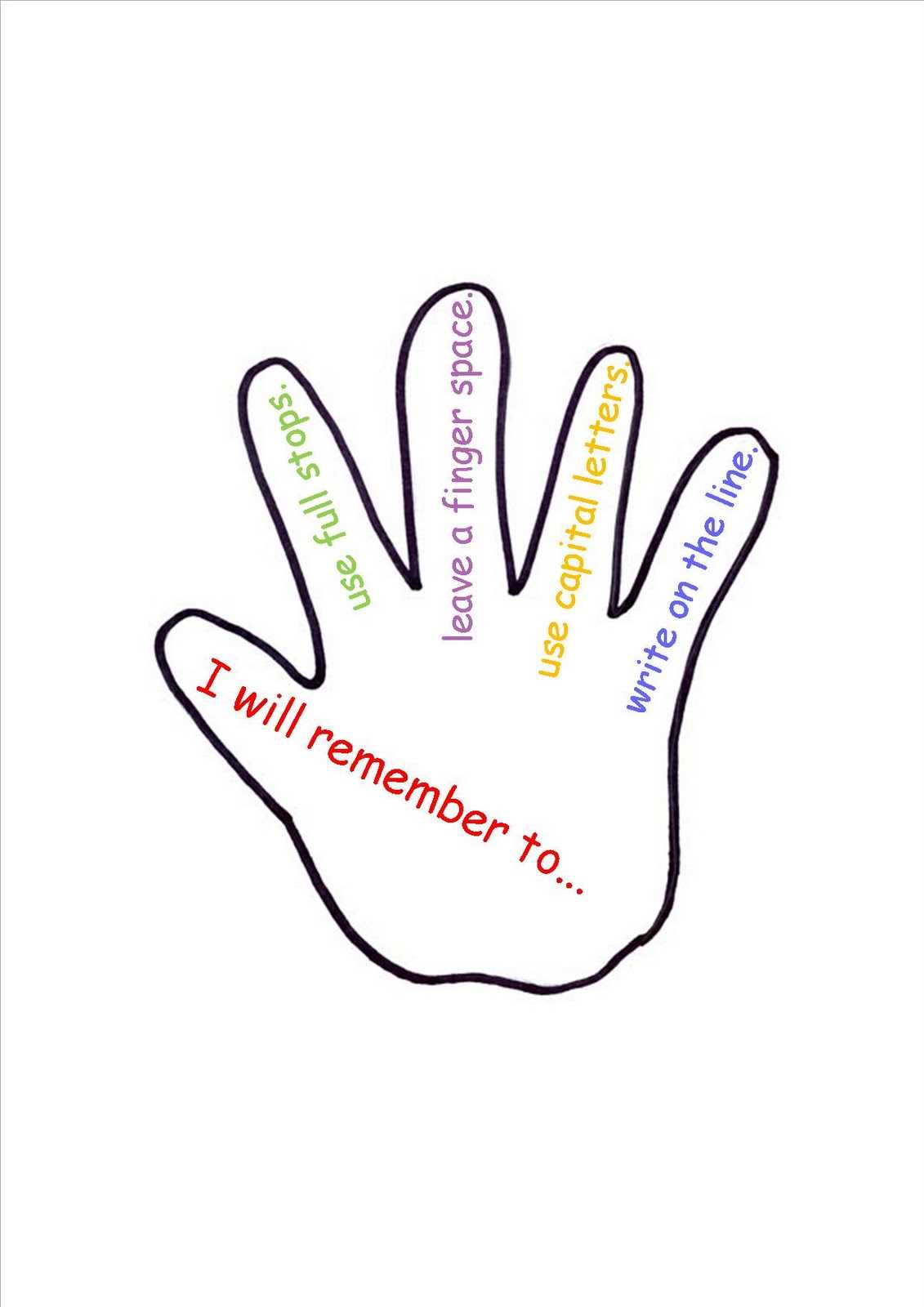
Select a clean palm silhouette sized to the task before downloading to avoid resizing errors during use. A4 and US Letter formats cover most needs, while vector PDFs keep edges sharp for repeated output on standard home or classroom devices.
How to Choose the Right Palm Silhouette Format
For children under six, use broad finger spacing and rounded edges to reduce tearing during cutting. Teen and adult projects benefit from slimmer contours with defined knuckles that support detailed decoration or text placement.
Orientation matters for displays. Vertical layouts suit posters and wall art, while horizontal versions fit greeting cards and table activities. Mirrored shapes help with paired designs such as wings, leaves, or animals.
- A4 or Letter size for general crafts
- Half-page layouts for cards and labels
- Full-bleed designs for murals and group boards
Practical Uses Across Creative and Learning Tasks
Art lessons use palm tracings for seasonal themes like trees, turkeys, or flowers. Educators often assign name writing inside each finger space to support letter practice without extra worksheets.
Home projects include memory keepsakes with dates and short notes added to the center area. Thicker paper stock, 160–200 gsm, prevents warping during paint or glue work.
- Classroom art stations with crayons or paint
- Holiday decor with layered cutouts
- Personal keepsakes for family events
Tips for Clean Results
Use light adhesive spray to secure sheets before cutting. Fine-tip markers keep lines readable, while washable paints simplify cleanup. Store unused silhouettes in folders to protect edges from bending.
Palm Shape Tracing Sheets for Crafts Classroom and Home Projects
Choose palm-shaped tracings sized to the age group to prevent frustration during cutting or decorating. For early learners, select designs with wide finger gaps and smooth curves, while older students handle slimmer contours with defined joints.
Paper weight changes results more than tools. Sheets between 160 and 200 gsm stay flat under paint, glue, or markers, while lighter stock curls and tears. For repeated classroom use, matte cardstock reduces glare and improves visibility.
Scale matters for layout tasks. Full-page palm silhouettes work for posters and group boards, half-page versions suit greeting cards, and quarter-size formats fit journals or scrapbooks without trimming.
Orientation supports theme building. Upright tracings resemble trees or people, rotated versions become animals or seasonal symbols. Mirrored pairs help with symmetrical designs such as wings or leaves.
At home, palm tracings turn into keepsakes by adding dates, short notes, or milestone details in the center area. Permanent pens resist fading, while acrylic paint maintains shape clarity over time.
Store unused sheets in flat folders or envelopes to protect edges. Label sets by size and finger width so future projects start without measuring or resizing.