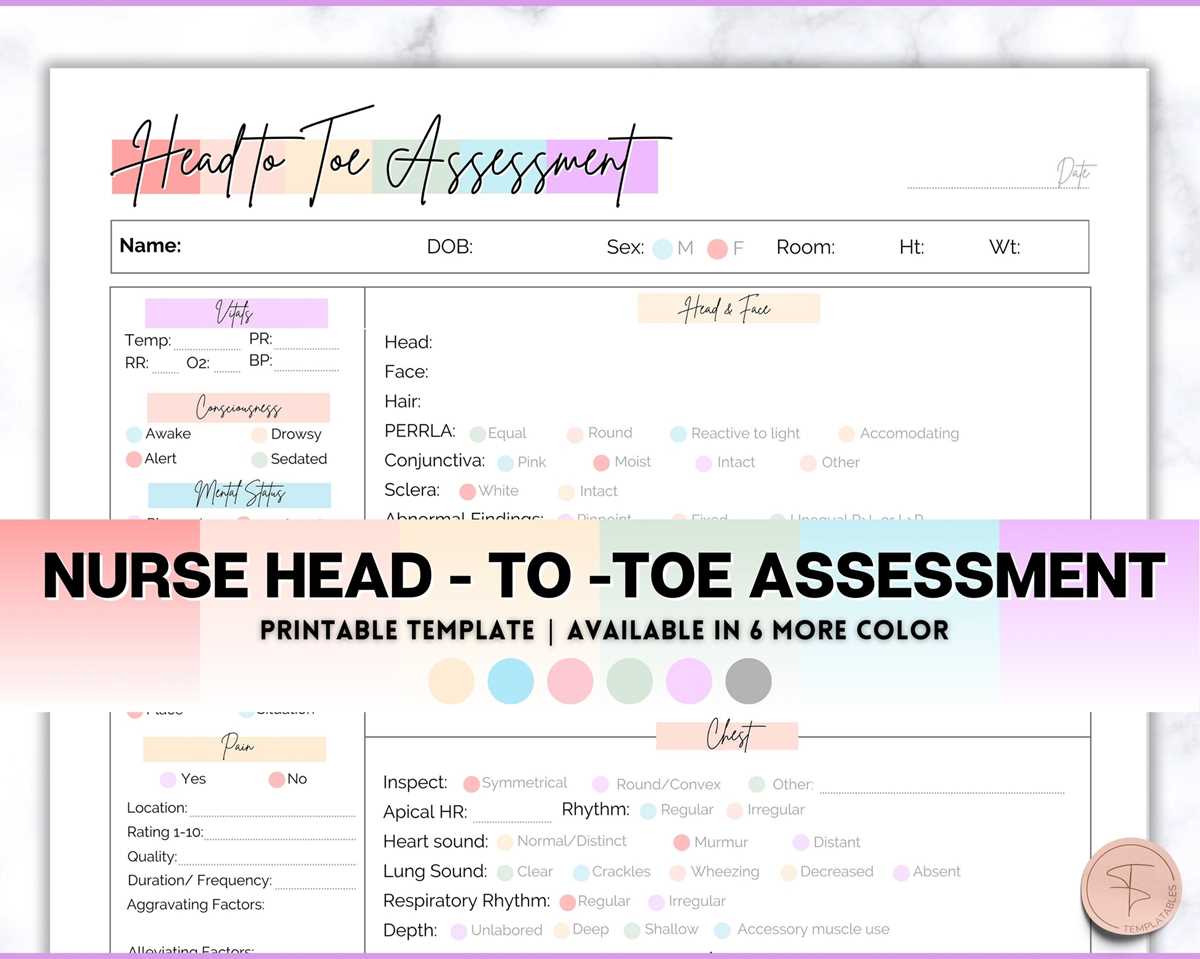
Before starting any comprehensive check of a patient’s condition, ensure you have the proper template to document findings accurately. These tools allow for a structured approach, making it easier to identify abnormalities and track changes over time. A well-organized form helps reduce errors and ensures all key aspects are covered.
Steps for an Effective Full Body Evaluation
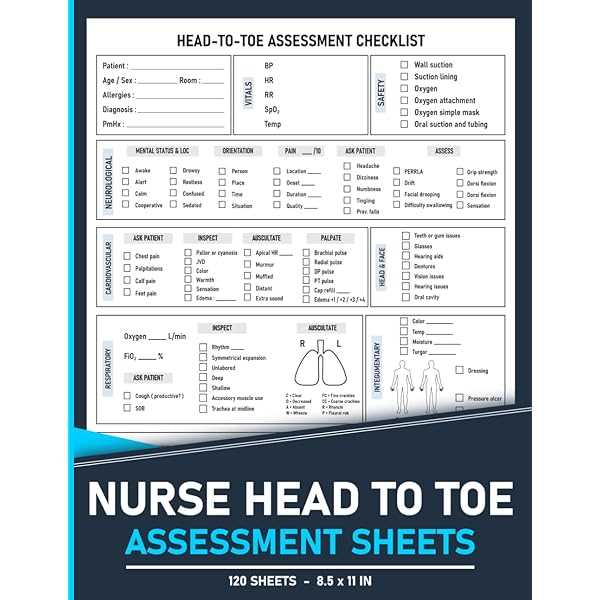
Begin by systematically examining each area of the body, from the scalp to the feet. Always start with vital signs such as temperature, pulse, and blood pressure. Afterward, move through the patient’s physical condition in a structured way:
- Skin: Check for rashes, wounds, discoloration, or any signs of infection. Note any abnormalities like bruising or dryness.
- Head and Neck: Look for any signs of swelling, pain, or abnormalities in the lymph nodes. Check the eyes for redness or abnormal pupil reactions.
- Chest and Lungs: Listen for abnormal lung sounds, such as wheezing or crackling. Also, check for any signs of shortness of breath.
- Heart and Circulation: Assess heart rate, rhythm, and strength. Look for signs of swelling in the extremities that may indicate circulatory issues.
- Abdomen: Gently palpate the area to check for tenderness or swelling. Listen for bowel sounds and any abnormal findings.
- Musculoskeletal System: Evaluate joints for stiffness or pain, assess muscle strength, and look for any deformities in the limbs.
- Neurological: Test for proper reflexes, motor skills, and any indications of dizziness or abnormal sensations.
By following this sequence, you ensure a thorough examination that covers all aspects of the body and provides valuable insights into the patient’s overall health status.
Choosing the Right Templates for Your Evaluations
When documenting the results, selecting the appropriate form can greatly impact the clarity of your notes. Structured templates that allow for easy marking of findings make it simple to complete your work quickly without skipping any critical observations. Here are a few things to consider when selecting templates:
- Clear Sections: Choose a template with clear divisions for each part of the body, allowing for organized and concise documentation.
- Space for Notes: Ensure there is sufficient space for additional comments, particularly when noting unusual findings that may need further investigation.
- Pre-filled Prompts: Templates with prompts for common checks, such as pulse rate or skin texture, can save time and improve accuracy.
- Digital vs. Paper: Decide whether a digital or paper template best suits your needs. Digital templates are easy to store and retrieve, while paper forms may offer immediate access during patient care.
Investing in a well-designed template ensures that your evaluations are organized, consistent, and comprehensive, allowing for accurate tracking and faster decision-making in clinical settings.
Full Body Evaluation Guide and Documentation Templates
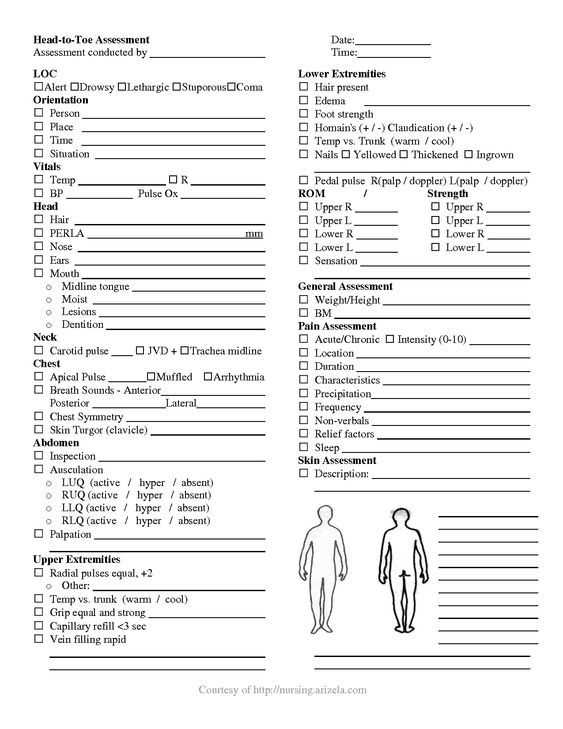
Start by gathering the key details for a thorough physical review, ensuring you cover every part of the body systematically. Begin with vital signs–temperature, pulse, and blood pressure–before assessing the patient’s head, neck, chest, abdomen, limbs, and neurological system. For the head and neck, look for any deformities, swelling, or abnormalities in the pupils. Examine the respiratory system by listening for breath sounds, and palpate the chest for any tenderness or unusual findings. Continue with the abdomen by checking for tenderness, distention, or abnormal bowel sounds. End with the extremities, testing for strength, reflexes, and sensation.
Choose a structured form or template that organizes the findings in a logical manner, making it easy to document each part of the evaluation. The form should include sections for each body area, with checkboxes or spaces to note any positive or negative findings. Some forms may also provide prompts for common issues, such as swelling, discoloration, or changes in mobility. By using a template, you ensure that no aspect of the examination is overlooked and can quickly communicate important information to other healthcare team members.