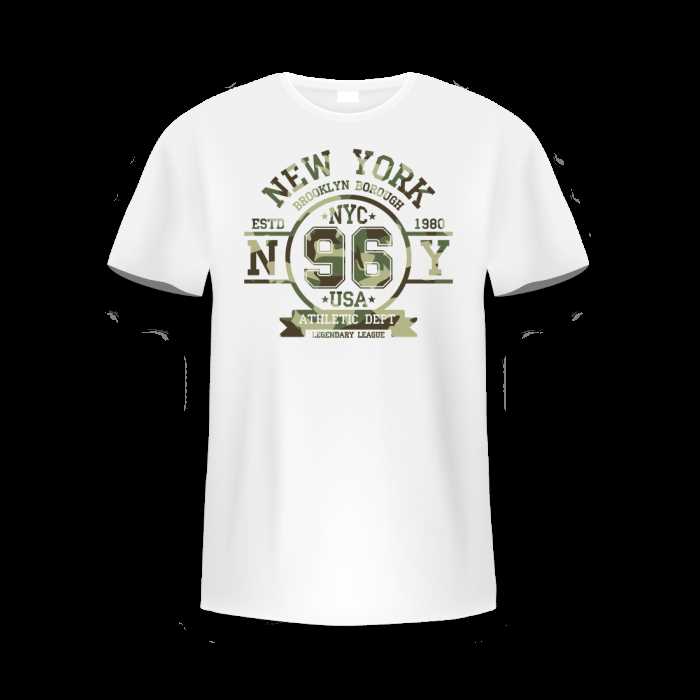
To achieve the best results with designs applied to fabric, you need to pick the right material. Opt for sheets that are compatible with your cutting machine, ensuring they can handle detailed images and sharp edges. Check if the material offers an adhesive back for easy application on the fabric. Consider the fabric type as well; some materials work better on cotton, while others are perfect for polyester blends.
Choosing the Right Material for Your Design
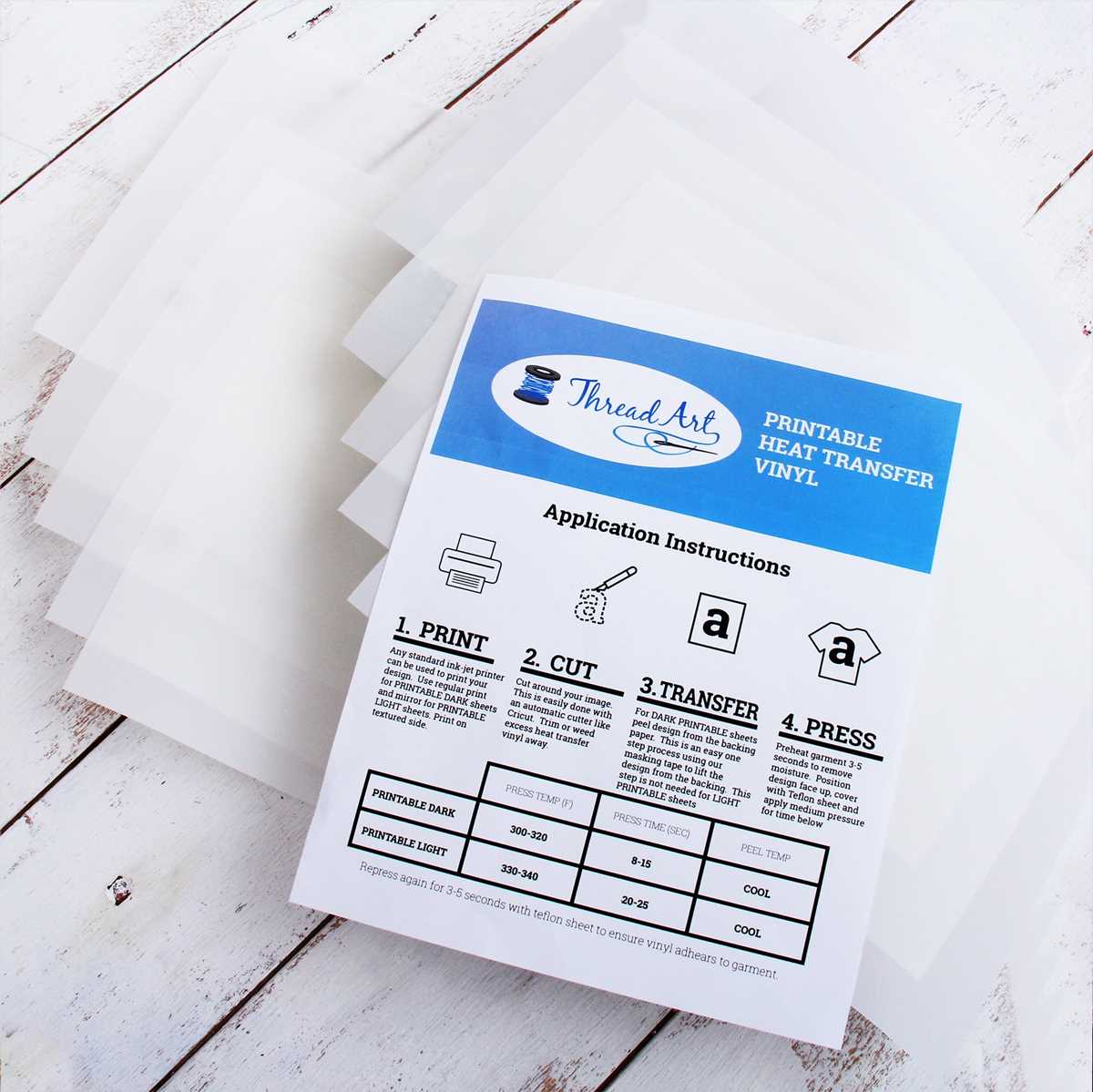
The first step in selecting the correct material is to consider your design’s complexity. If you plan to use intricate shapes or text, choose a product designed for fine detail. You should also assess the feel and flexibility of the material once it’s applied. Some products may feel stiffer, while others remain soft and stretchable after pressing. Test out different materials on scrap fabric to determine which one meets your expectations for both texture and durability.
Factors to Consider When Making Your Choice
- Adhesion quality: Look for materials that bond well without leaving residue after removal.
- Durability: Choose options that withstand multiple washes and retain their color and texture.
- Compatibility: Verify that the material works with your cutter and heat press setup.
Steps to Apply Your Custom Design to Fabric
Once you’ve chosen the right material, preparing your design and fabric is crucial for a smooth application. Start by loading the material onto your cutter and ensuring it’s properly aligned. After cutting, weed out the excess material, leaving just your design. Next, preheat the fabric to remove any moisture and wrinkles. This step ensures the material bonds better during application.
Pressing the Design
Using a heat press, set the appropriate temperature based on the material you’re working with. Apply pressure evenly across the design for the recommended time. If you’re using a home iron, be sure to press firmly and move slowly to ensure the entire design is transferred. After pressing, let it cool down before removing the carrier sheet to prevent lifting or shifting of the design.
With a bit of practice, you can create professional-quality custom designs on fabric that last through regular wear and washing. Whether it’s a personal project or a business venture, the right preparation and careful selection of materials will ensure your results meet expectations.
Printable Materials for Custom Fabric Designs
Choosing the right material is key to creating durable and long-lasting designs. Opt for products that are compatible with your cutting machine and capable of handling intricate details. Materials that feature a smooth surface tend to work better for fine lines and small designs, while thicker options are ideal for larger graphics. Always check the product specifications to ensure it suits the fabric type you intend to use, as some materials adhere better to cotton while others perform best on polyester blends.
Before applying your design, make sure the fabric is prepped. Preheat the fabric to remove any moisture and wrinkles, ensuring a better bond. For best results, use a heat press with precise temperature and pressure control. The application process should be consistent across the entire design to avoid areas where the material might not stick properly. Allow the design to cool down completely before peeling off the carrier sheet to prevent any lifting.
If you’re using an iron, apply steady, firm pressure and move slowly across the design. Make sure the iron is set to the right temperature for the material you’re using. It’s best to follow the manufacturer’s instructions for time and heat settings, as too much heat can damage the fabric, while too little can result in poor adhesion. With the right tools and preparation, you can create professional-looking custom pieces at home with ease.