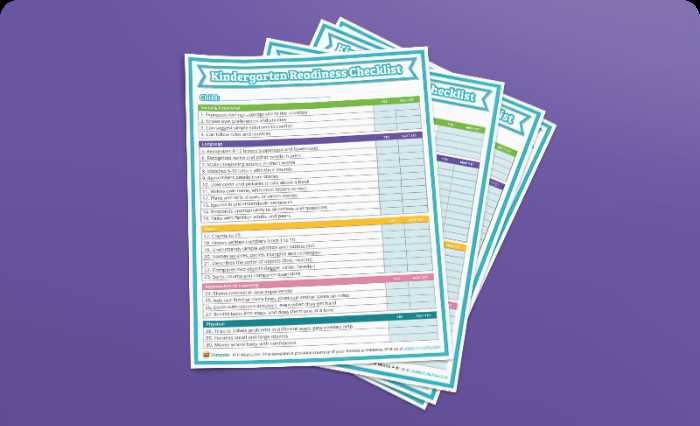
Key Skills for Young Learners Before Starting School
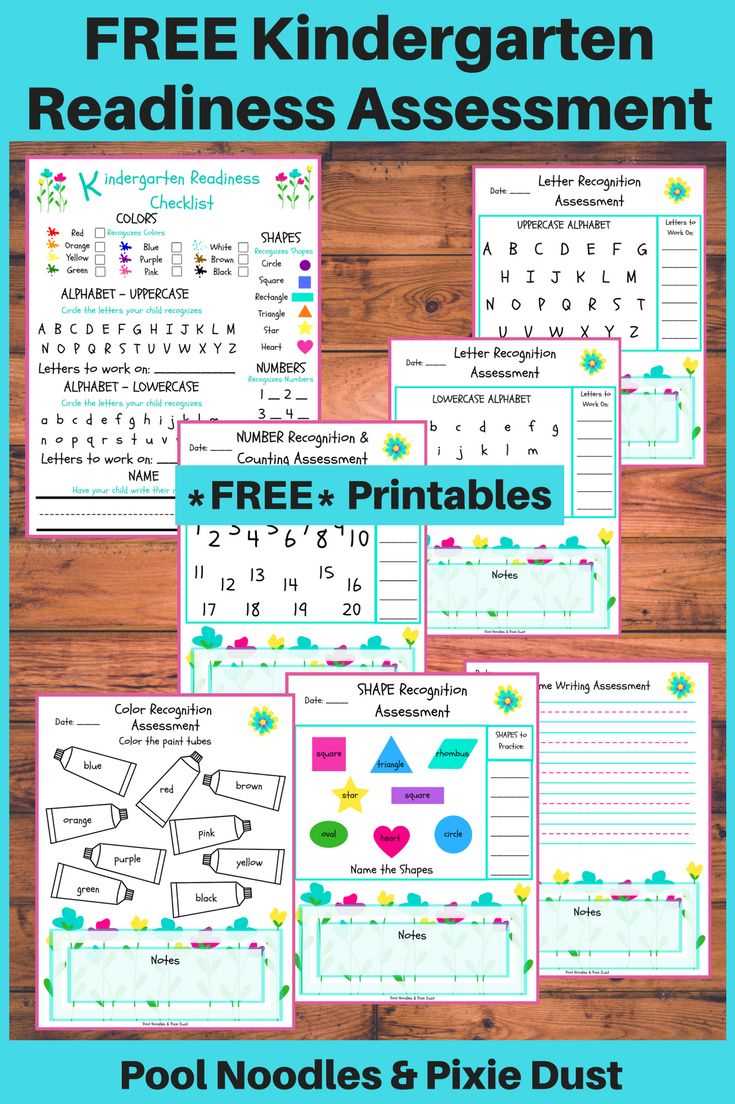
Ensure your child can recognize basic shapes, numbers, and letters. Being able to identify letters and understand their sounds is a great start. Begin practicing simple writing and drawing to develop fine motor skills. Encourage counting objects, sorting, and grouping to strengthen math comprehension.
Develop social skills by encouraging turn-taking, sharing, and expressing feelings. These interactions lay the foundation for cooperation in group activities. Reading together helps with language development and sets a strong base for verbal skills. Choose simple books with clear pictures and ask questions about the story to engage your child’s understanding.
Practical Steps to Boost Learning at Home
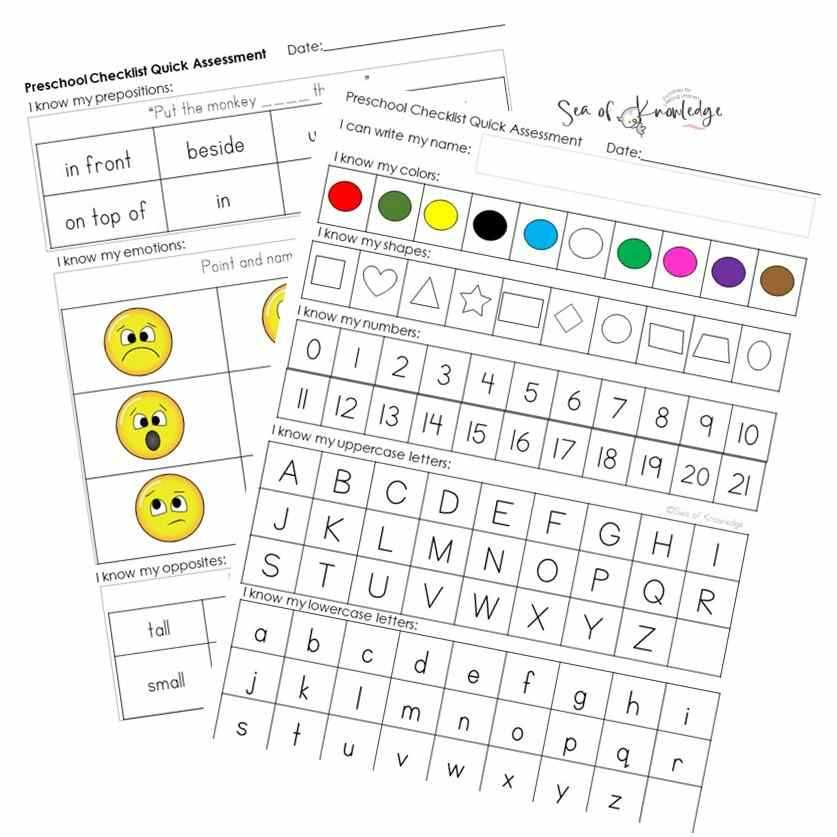
Use daily routines to reinforce learning. While preparing meals or organizing toys, involve your child by asking them to count items or categorize them by color or size. Create a learning-friendly environment with designated spaces for reading, arts, and play.
Set up interactive learning games that involve matching colors, shapes, or sounds. Puzzles and sorting games can improve problem-solving abilities. Give your child the opportunity to play independently, as this helps build confidence and independence, both key for classroom settings.
Creating Consistency and Routines
Establish a daily routine with set times for meals, play, and learning. Having a predictable schedule helps children understand structure and manage expectations. Include moments of rest to keep their energy levels balanced. Involve your child in these routines to foster responsibility and readiness for school tasks.
Engaging with Your Child’s Interests
Identify what excites your child and incorporate it into learning. Whether it’s nature walks, building with blocks, or playing pretend, use these interests as opportunities to introduce new concepts. This not only keeps learning fun but also makes it feel personal and engaging for your child.
Preparing for School: Key Milestones for Your Child
Before starting formal education, ensure your child can identify and name basic shapes, numbers, and letters. Encourage simple counting exercises with everyday objects to build math skills. Introduce basic writing exercises like drawing shapes or writing their name to develop fine motor skills.
Social development is equally important. Teach your child how to share, take turns, and express emotions clearly. These skills are crucial for interacting with peers and teachers. Reading together helps improve language comprehension. Ask your child questions about the story to enhance their verbal skills and understanding.
Establish daily routines that include moments for learning and play. This creates structure and helps your child transition into a classroom environment. Introduce learning activities through fun games or hands-on tasks that align with their interests, making learning engaging and less stressful.