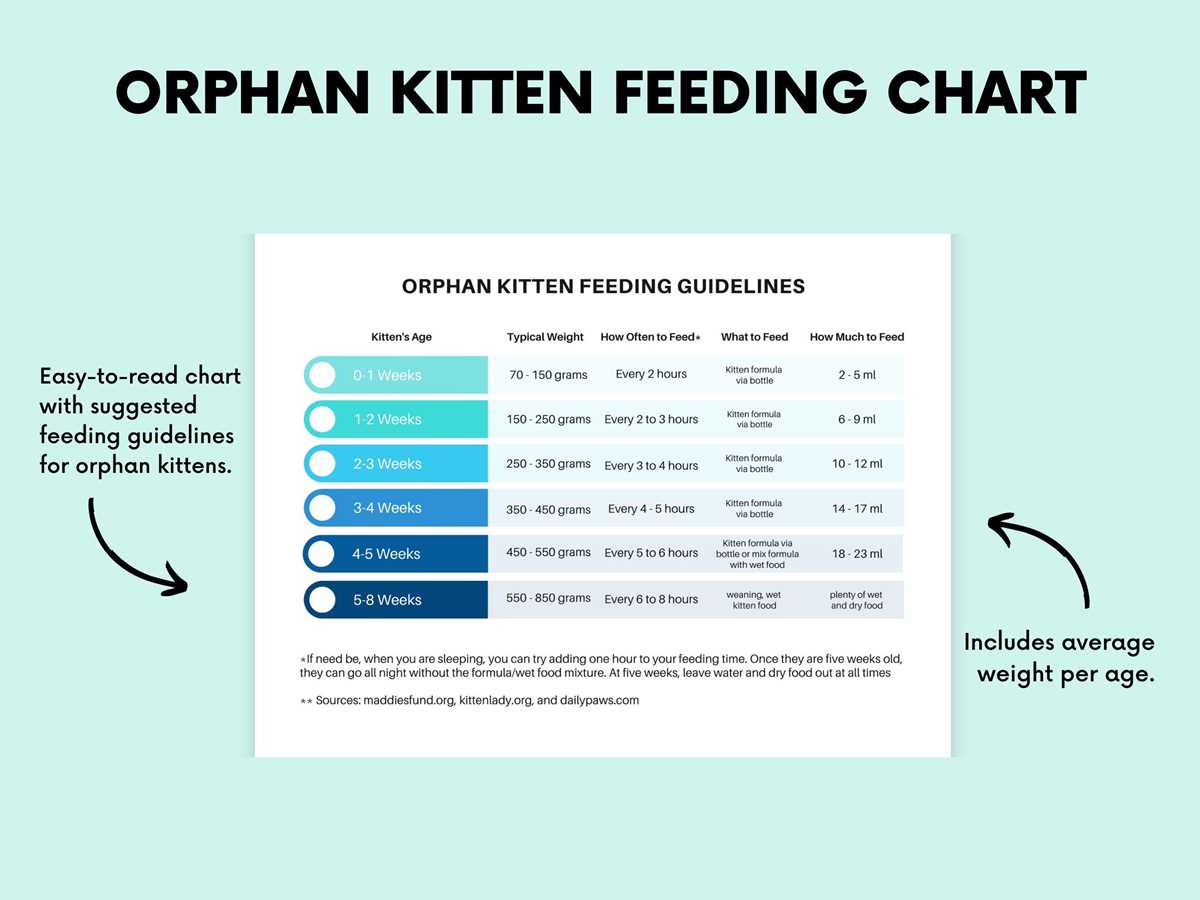
Portion Size and Frequency for Newborns
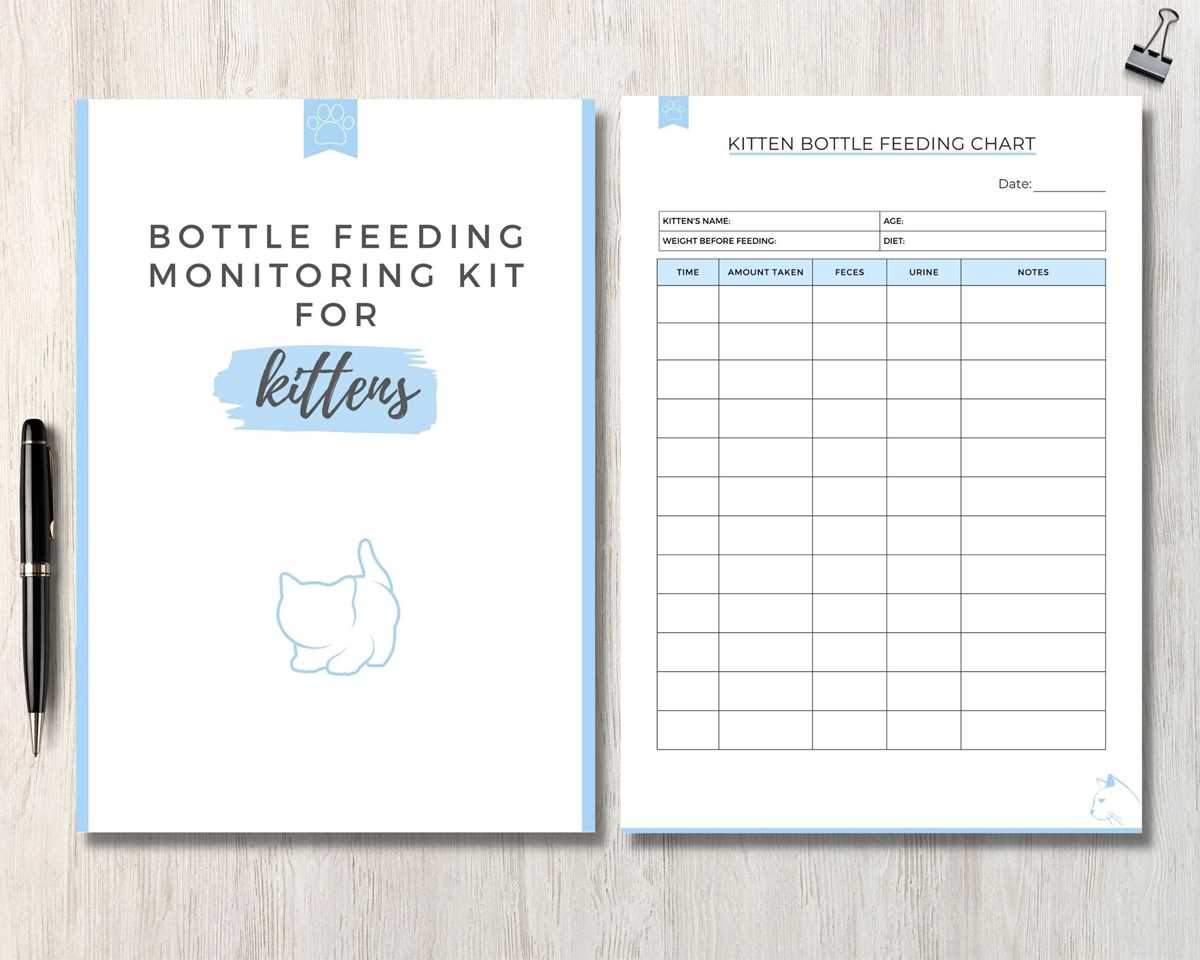
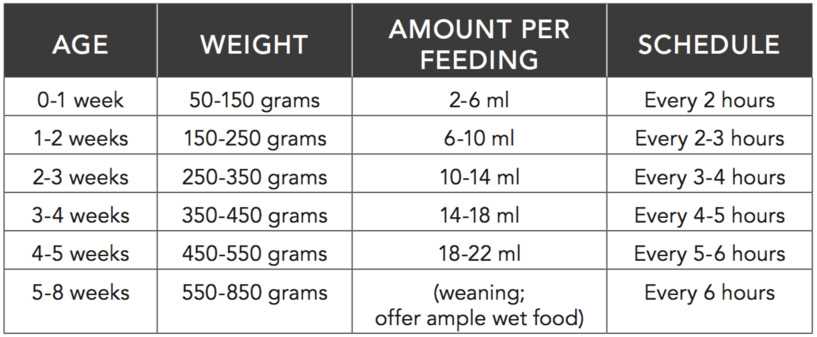
During the first week, it’s important to feed every 2-3 hours. Newborns typically consume 1 tablespoon (15 mL) of formula per feeding. By day 7, they will need more, about 2 tablespoons (30 mL) per feeding. Keep in mind that kittens cannot drink water at this stage, so rely on milk substitutes designed for young cats.
Weaning Process and Solid Food Introduction
Between 3-4 weeks, begin introducing soft food. Mix wet food with water or milk to form a semi-liquid paste. Offer the mixture every 4-6 hours, and reduce the amount of milk replacement gradually. By week 5, aim for a combination of wet food and formula, ensuring they get enough nutrients to support healthy development.
Feeding at 8-12 Weeks
At this stage, solid food becomes the main part of the diet. Offer high-quality wet or dry food designed for growing cats. Feed 3-4 times per day, providing about ¼ to ½ cup of food at each meal. Keep in mind, young cats will still need some formula or milk replacement in their diet for the best nutrition until they are fully weaned by around 12 weeks.
Post-Weaning Nutrition for 3 to 6 Months
By 3 months, young cats can be fed primarily solid food. They need high-protein, calorie-dense meals to support their growth spurt. Feed them 3 times a day. The recommended amount of food is ½ to ¾ cup of high-quality cat food per day, but always follow the manufacturer’s recommendations based on the kitten’s weight.
Monitoring Portion Sizes for Optimal Growth
Pay close attention to the portion size. Overfeeding can lead to obesity, while underfeeding can stunt growth. Adjust the food intake as needed, depending on how much your cat eats. If there’s leftover food after 20-30 minutes, reduce the portion. If they’re finishing every meal quickly, consider increasing the amount slightly at the next feeding.
Hydration and Fresh Water
It’s critical to provide clean water at all times, especially after they reach the solid food stage. Kittens may initially ignore the water bowl, so you might need to place it near their food or offer it in different containers. Hydration supports digestion and ensures healthy organ development.
Signs of Healthy Nutrition
Monitor your cat’s growth. Healthy young cats should be active, alert, and gaining weight steadily. The ribcage should be easily felt, but not visible, indicating a proper balance of nutrients. If the kitten seems lethargic, has a dull coat, or isn’t gaining weight, consult with a vet.
Transition to Adult Diet
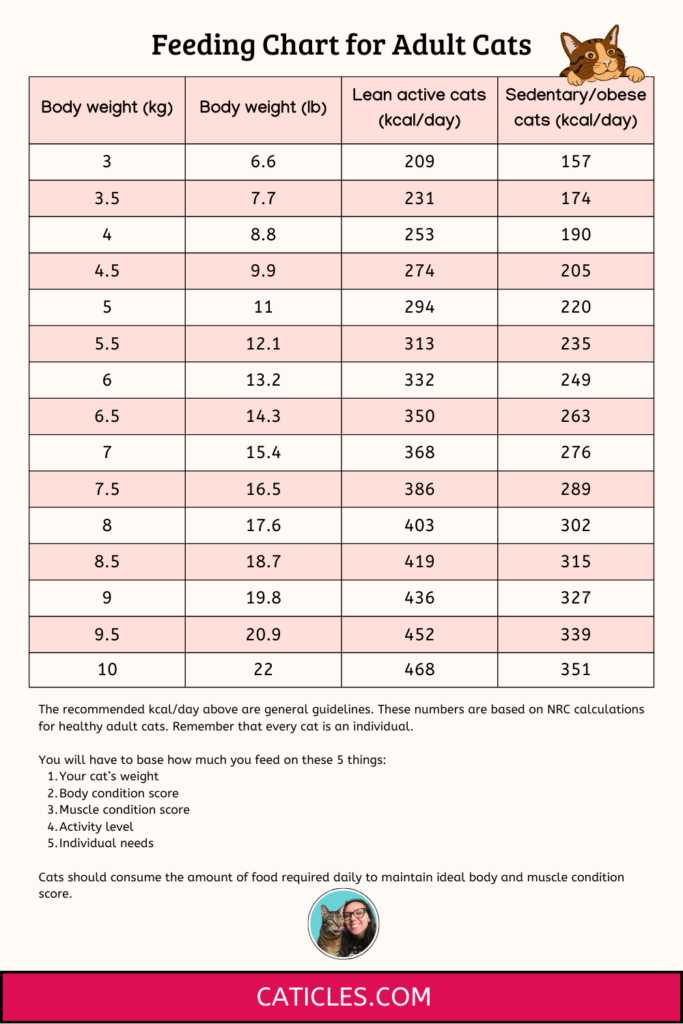
By 6-12 months, your cat will transition to a full adult diet. At this point, you can start reducing the number of meals to two per day and switch to food specifically designed for adult cats. Keep monitoring their weight and health, and adjust food portions as needed to maintain a healthy weight throughout adulthood.
Feeding Schedule for Young Cats
From birth to 4 weeks, your pet should be fed a liquid diet. During the first week, a small amount of milk substitute should be given every 2-3 hours. Newborns can consume up to 1 tablespoon of formula per feeding. Ensure that they are well-hydrated and consistently gain weight.
At 2 weeks, begin to increase the quantity of formula. Feed them 2-3 tablespoons per meal every 3-4 hours. By week 3, you can introduce a bit of soft, blended food. This can be a mix of formula and wet food, gradually transitioning them to more solid textures.
By 4 weeks, your pet should start showing interest in soft food. At this stage, feed them a combination of wet food and formula, about 3-4 times per day. Gradually reduce the amount of formula and increase the solid food portions as they become more accustomed to chewing.
From 5 to 8 weeks, your pet can be fed entirely on solid food, although formula can still be offered as a supplement. Offer wet food 3-4 times per day, about ¼ cup per meal. You can start reducing the formula feedings to help them fully transition to solid meals.
At 8-12 weeks, young cats will need around 1/4 to 1/3 cup of wet food per meal. Offer meals four times a day to maintain energy and growth. Make sure the food is nutrient-rich and suited for young animals, as they require higher amounts of protein and fats to support their development.
As they reach 3-6 months, your pet should be fed three times per day. At this stage, they require about 1/3 to 1/2 cup of food per meal. You can gradually introduce dry food in addition to wet food to provide variety and support their growing teeth.
By 6 months, reduce the feedings to twice a day. Provide around 1/2 cup of food per meal, ensuring it’s high-protein and suitable for a growing pet. Start monitoring their weight to ensure they’re developing properly and adjust the food portions if necessary.
From 9 months to 1 year, your pet can be fully transitioned to an adult diet, fed twice daily. Be sure to adjust the portions based on their weight and activity level. Keep providing fresh water at all times, and monitor their health for any signs of overfeeding or underfeeding.