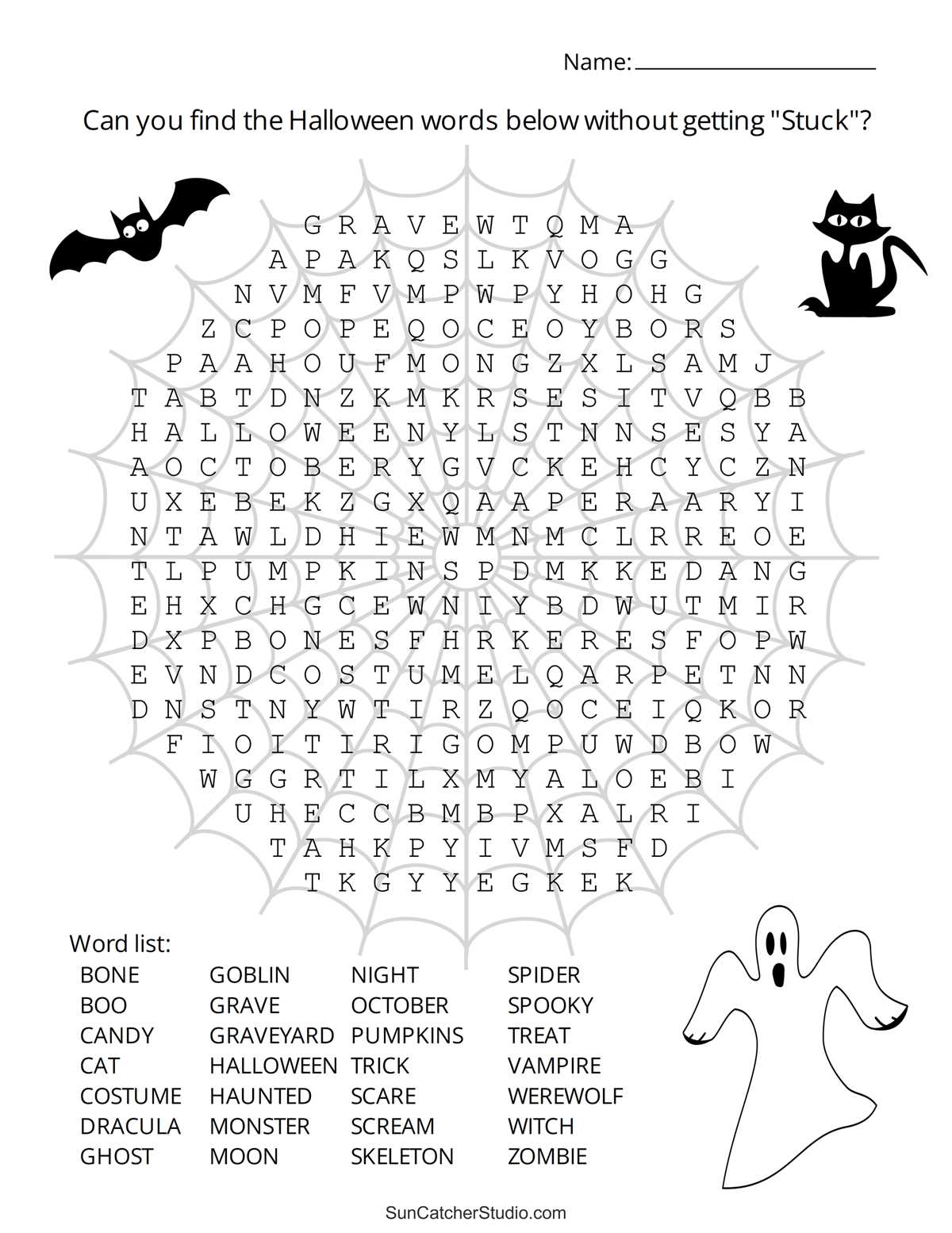
Choose puzzles with expanded spacing and bold characters to reduce eye strain and speed up recognition. A grid designed with wider gaps between symbols allows readers to track lines without losing their place, while thicker strokes improve contrast for low-vision users and seniors. Aim for sheets where each row stays visually distinct and alignment remains consistent from edge to edge.
For daily practice, select sets that offer themed letter grids with a limited symbol count per line. Shorter rows and columns lower cognitive load and help maintain focus during longer sessions. This format works well for rehabilitation exercises, memory support, and calm leisure activities where clarity matters more than complexity.
Storage and reuse also matter. Collections organized by difficulty level and theme make it easier to return to a preferred format without sorting through clutter. Look for bundles that include answer layouts placed separately, so the main activity stays distraction-free while verification remains quick and simple.
Finally, prioritize designs tested for readability under indoor lighting. High contrast backgrounds, consistent margins, and balanced spacing outperform decorative layouts. These practical choices turn a simple letter-grid activity into a reliable tool for relaxation, focus training, and routine mental exercise.
Accessible Grid Puzzles: Practical Guide for Users and Creators
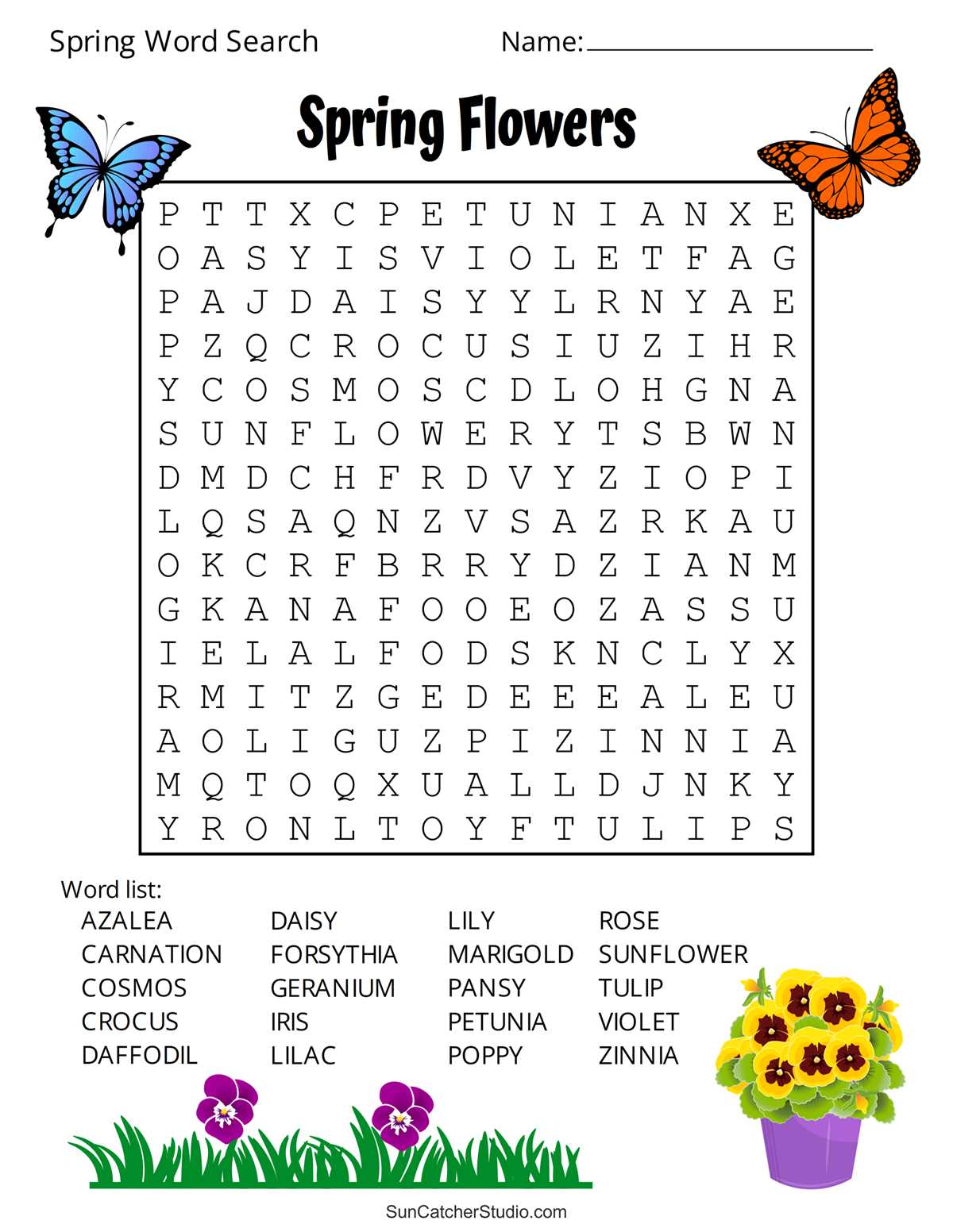
Choose sheets with expanded glyph scale (at least 18–22 pt equivalents) and high stroke contrast; this immediately reduces eye strain and speeds recognition for readers with low vision or cognitive fatigue.
For users, focus on layout metrics rather than themes. A clear matrix with generous spacing between characters prevents crowding. Left-aligned item lists placed below the grid reduce eye travel. Paper tone matters: matte white or light cream minimizes glare under desk lamps. Avoid decorative typefaces; simple humanist sans or slab designs keep shapes distinct.
- Glyph height target: 6–7 mm on paper
- Cell padding: minimum 1.5 mm on all sides
- Contrast ratio: 7:1 or higher
- Page orientation: portrait for shorter grids, landscape for wider matrices
For creators, build templates that scale cleanly without blurring. Vector-based layouts retain crisp edges across sizes. Limit diagonal paths to reduce cognitive load, and cap grid density at 60–65% filled cells to avoid clutter. Randomization should preserve balance; cluster avoidance keeps scanning predictable.
- Design the grid in vector software with adjustable cell metrics
- Test readability at arm’s length under ambient lighting
- Export to common office formats without rasterization
- Run a usability check with two age groups
Distribution favors formats that open consistently across devices and offices. Single-page files load faster and reduce scaling errors. Include a version note with glyph size and spacing values so re-users can verify suitability before sharing.
How to Design Puzzles for Readability
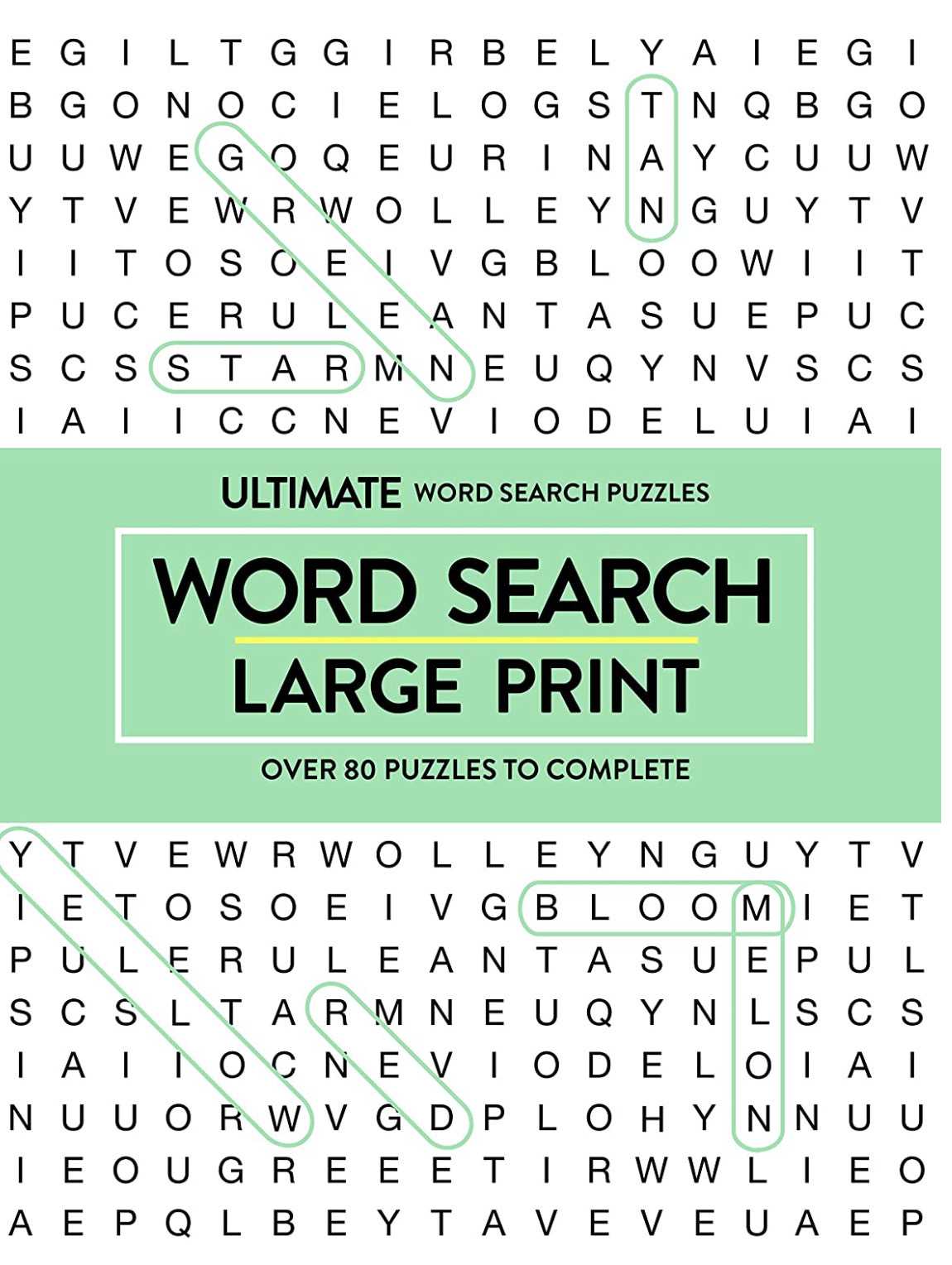
Use glyph height between 18–22 pt with a minimum stroke width of 1.5 pt, set generous spacing (at least 1.3× line distance), and keep the letter grid below 12×12 cells to reduce visual fatigue during identification tasks.
Choose sans-serif letterforms with open counters and uniform strokes; avoid decorative shapes that blur at close viewing distance. High-contrast pairing such as near-black symbols on matte white sheets improves clarity more than color accents. Maintain consistent margins of 15–20 mm so the grid does not crowd the page edges, and separate clue lists from the grid by clear white space. For alignment, left-justify clues and keep column widths fixed to prevent eye drift. Use horizontal orientation only; vertical layouts force unnecessary head movement.
Limit answer sets to familiar vocabulary with average length under eight characters, and distribute overlaps sparingly so each entry remains distinct. Add a subtle grid outline at 0.5 pt to guide tracking without visual noise, and avoid background patterns entirely. Test readability by viewing the sheet from 40–50 cm; any symbol that merges or requires squinting fails the standard.