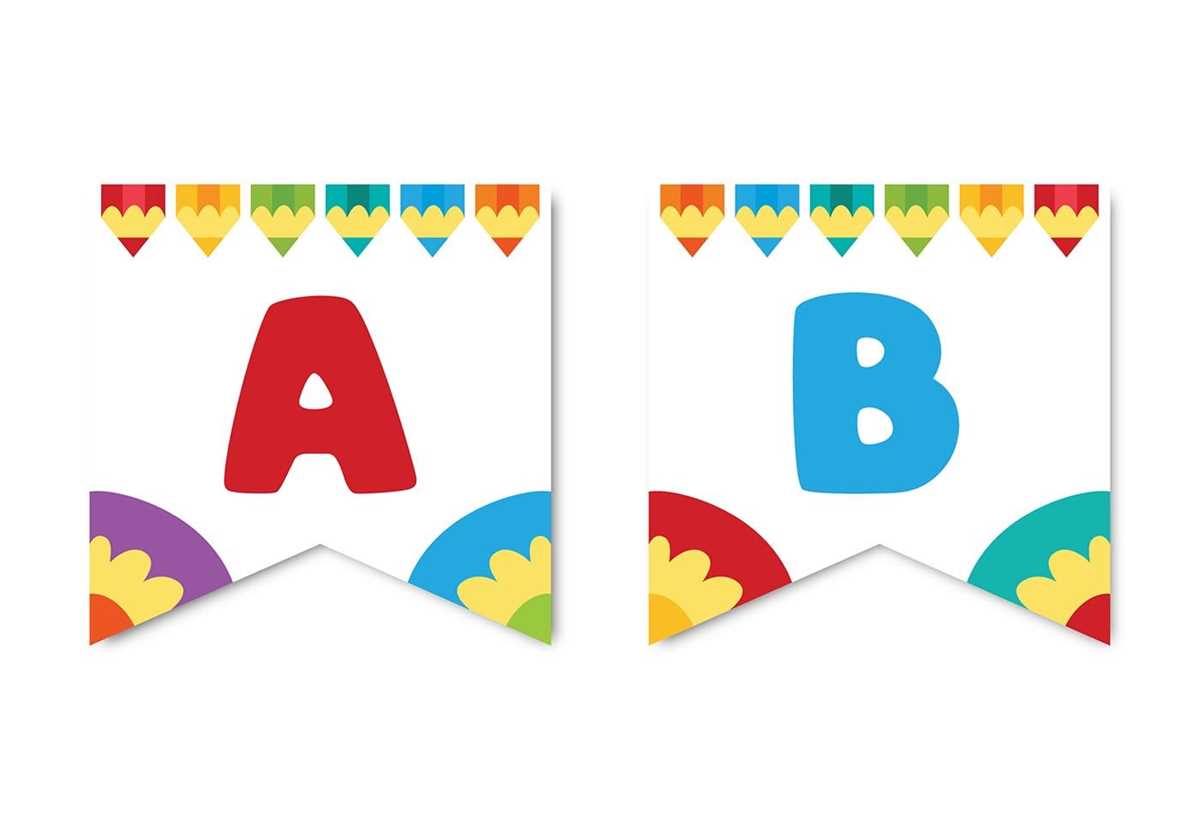
If you’re preparing large-scale displays or signs, choosing the right design is key. Start by selecting a bold, clear font to ensure readability from a distance. Opt for sans-serif fonts like Arial, Helvetica, or Impact, which are simple and legible. You can adjust the font size to match the space available, ensuring that each character fits the display area while remaining easy to read.
When working with printable designs, you can customize the dimensions of each character. Use software like Word, Google Docs, or even design programs like Canva or Adobe Illustrator to adjust text size precisely. Set up your document with margins and orientation that fit your desired end product, whether it’s a wide banner or a tall vertical display. If you’re creating a large sign with several rows, ensure each letter has enough spacing to avoid crowding.
Choosing the Right Material for Your Project
To create a sturdy display, consider using heavier materials like foam board, cardstock, or thick poster paper. These materials can handle large, printed designs without sagging or warping. If you’re working with large letters, choose a material that supports the weight of the paper. Foam board is an excellent choice for signs meant to last and withstand some handling. However, if you’re only creating a temporary design, lighter materials may be sufficient.
Printing and Cutting Tips for Accuracy
Before you start printing your design, test a small section of your text to ensure the proportions are correct. Use a high-quality printer to avoid blurry edges, as sharp, clean prints make your display stand out more. For cutting out letters, you can either use scissors for small-scale projects or a cutting machine for larger and more precise cuts. If using scissors, take your time to ensure each letter is cut cleanly along the edges.
Where to Find Templates for Display Letters
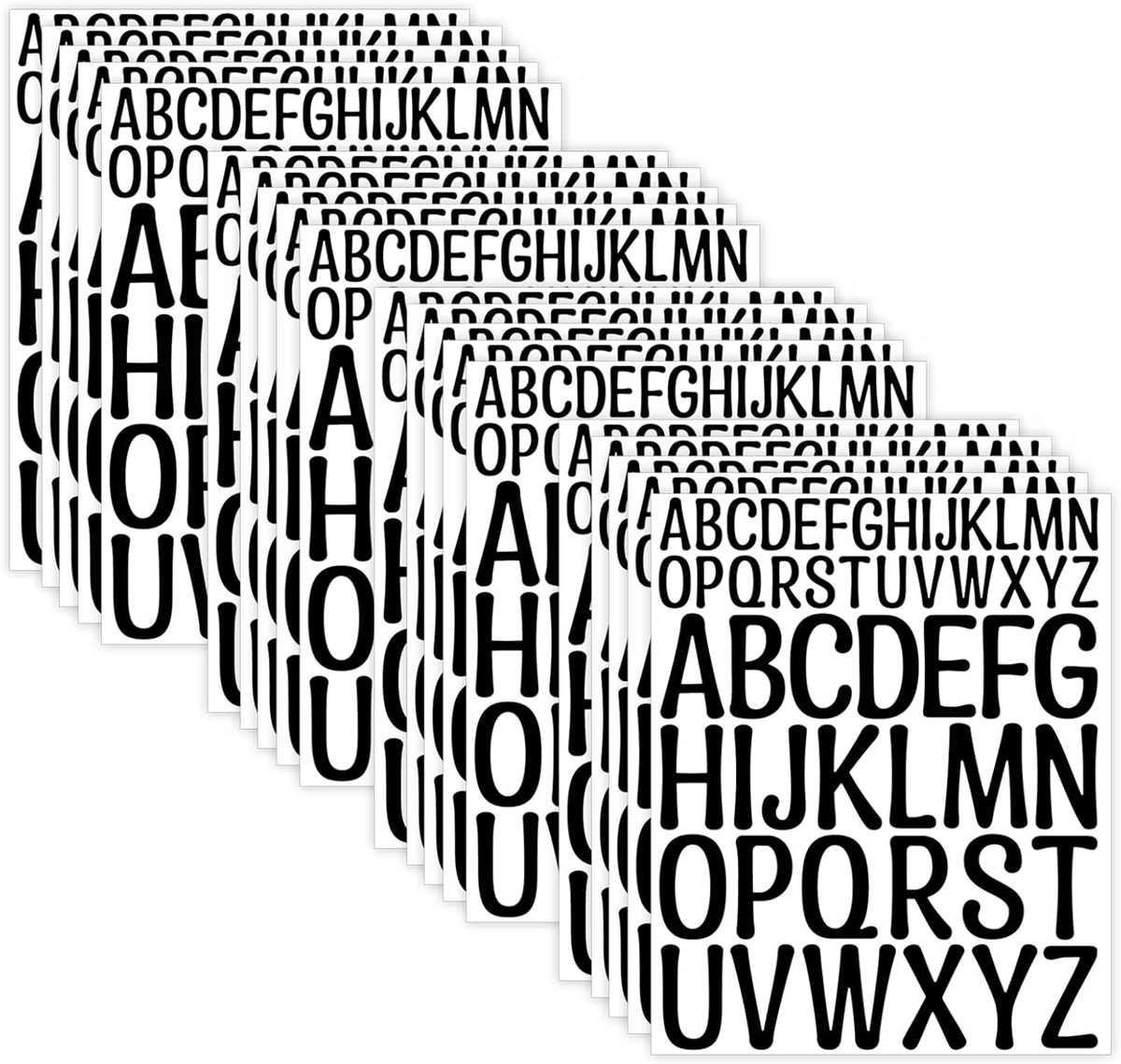
For those who prefer a quick solution, various websites offer free downloadable templates in multiple fonts and styles. These can be customized by resizing and printing. Look for templates on design platforms like Canva, or check out sites that specialize in crafting and DIY projects. Many of these resources offer templates for specific occasions, such as parties, events, or holidays, which can add a personalized touch to your display.
Adding Creative Elements to Your Design
If you’re aiming to make your project more dynamic, consider adding color and texture to your letters. You can print your text in different colors or add a background pattern. For a 3D effect, cut out your text and layer it with additional materials like glitter, felt, or fabric. These elements not only enhance visual appeal but also make the project more engaging and attention-grabbing.
For even more creativity, experiment with different styles of borders or shadows behind your text. These visual effects can help make your letters stand out more prominently against the background, increasing their impact. Whether you’re going for a playful theme or something more formal, small creative adjustments can elevate your design.
Where to Get High-Quality Materials
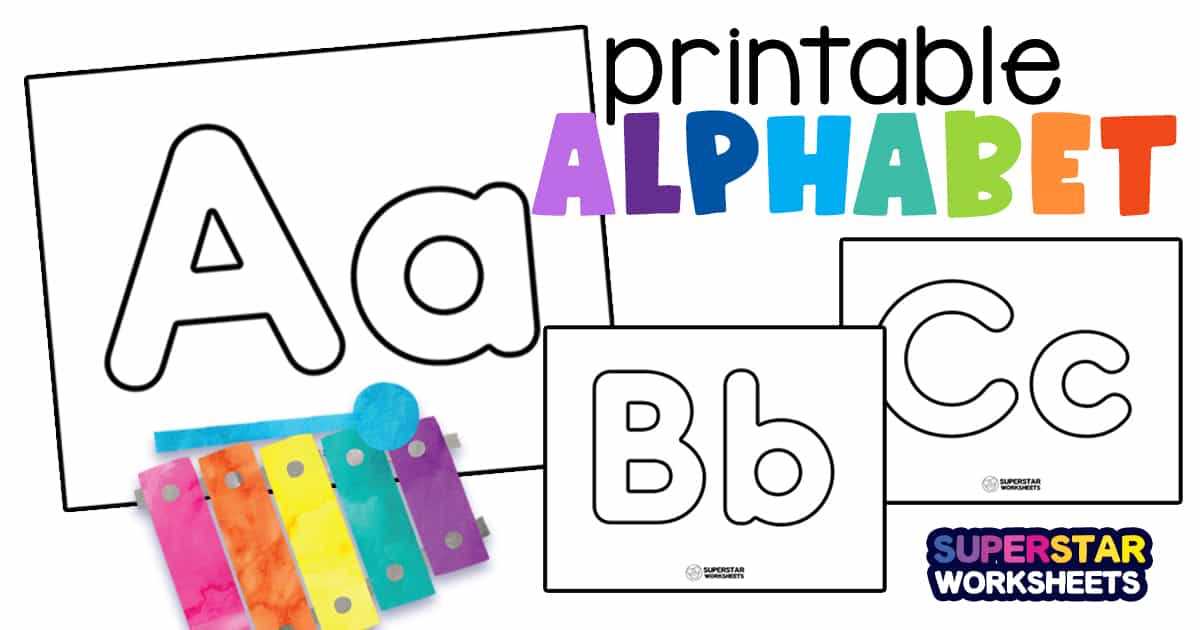
To achieve the best results, you can find materials like cardstock, vinyl sheets, or foam board at your local craft store. Many big-box stores also carry these items in bulk, especially during peak event seasons. For specific needs like metallic or textured paper, try specialty craft shops or online retailers that provide a variety of materials for display projects.
How to Create Large-Scale Text for Display Projects
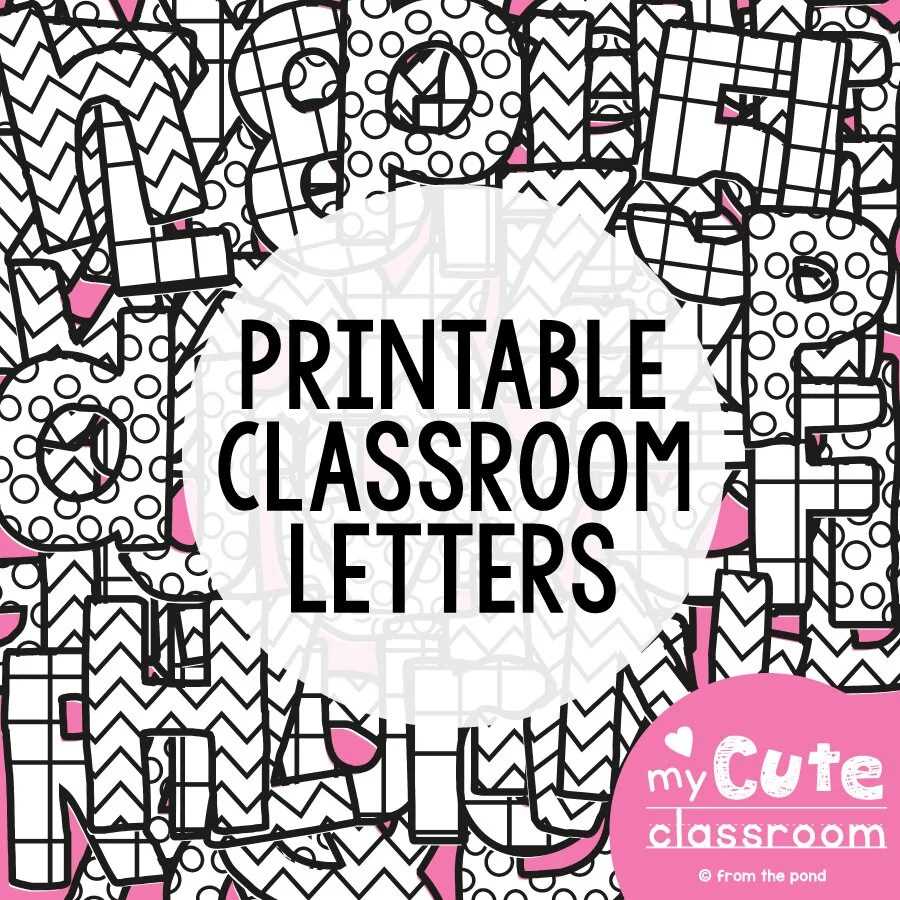
Start by choosing a bold, simple font style that stands out even from a distance. Fonts like Arial, Helvetica, or Impact are great choices for this type of project due to their clean lines and clear readability. Set the font size to ensure the text fits the designated area while still being easy to read from afar. If working with multiple lines, maintain consistent spacing between characters and rows to avoid clutter.
To create a clean, professional-looking design, adjust the width and height of each character to match your desired dimensions. Use a design program such as Word, Canva, or Illustrator to resize the letters and ensure the proportions are correct. Before finalizing, print a test sheet to verify that the size and alignment are accurate. This will save you time and material in the long run by preventing errors before you start the final print.
For printing, select high-quality paper or material that can support large text. Depending on the size, thicker materials like cardstock or foam board are ideal to avoid bending or warping. If you plan to make the text more durable, consider laminating the printed design or applying a protective coating. This will help preserve the text for future use and maintain its appearance over time.
Lastly, if you’re looking to add creative touches, experiment with colors, textures, or embellishments. You can layer the printed text over different colored backgrounds or use decorative paper to make the letters pop. Adding simple effects like shadowing or using contrasting colors will enhance the visibility and make the display more eye-catching. Don’t hesitate to explore different materials and effects to match the theme of your project.