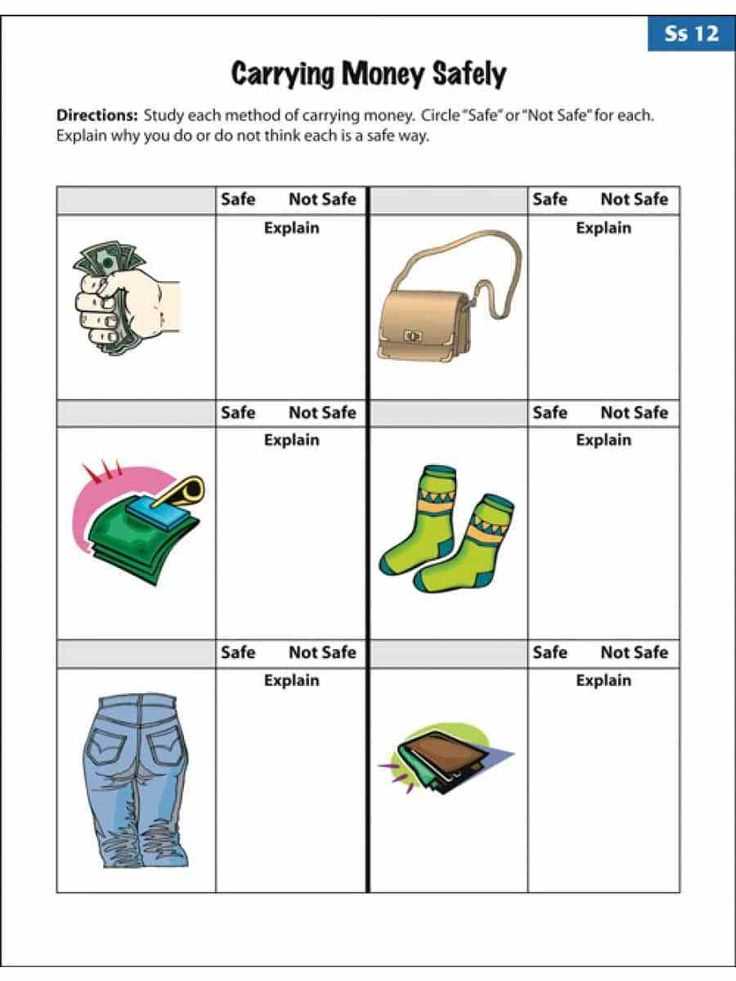
Creating engaging exercises that teach everyday tasks can have a profound impact on building independence. Simple forms, such as worksheets or checklists, can be effective tools for strengthening basic routines like managing personal finances or meal planning. Start by designing exercises that focus on step-by-step actions, making them accessible for anyone learning new tasks.
Focus on structure when preparing worksheets. Break down each process into clear, manageable sections. For example, provide a budget sheet that allows individuals to input income, track expenses, and calculate savings. This makes complex activities less intimidating and encourages regular practice.
Next, include clear, actionable goals within the activities. Tasks such as organizing daily chores or preparing for a grocery trip should feature specific instructions, prompting users to prioritize tasks based on urgency. This encourages time management and problem-solving in practical contexts.
Use visuals to further enhance comprehension. Adding diagrams or icons can significantly simplify instructions for those who prefer visual learning. For example, use symbols for common household items to teach inventory tracking or label sections with clear, contrasting colors to guide through various processes.
Lastly, incorporate self-reflection prompts. After completing a task, encourage users to assess their performance and identify areas for improvement. This step helps solidify the learned methods and promotes self-awareness, which is crucial for long-term progress in mastering daily responsibilities.
Empowering Through Practical Exercises
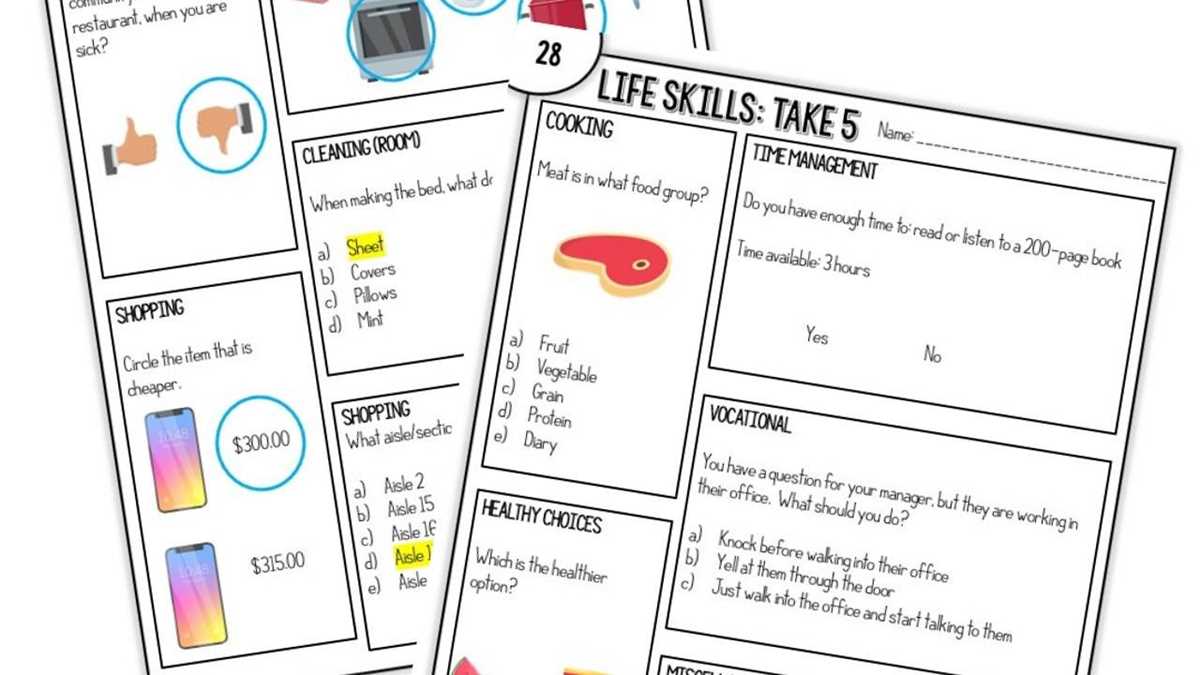
Organize simple daily tasks into structured worksheets that encourage independence. For example, create a shopping list template, where individuals can practice writing items based on categories, calculate costs, or plan meals for the week. This helps build routine habits and increases budgeting confidence.
Introduce problem-solving scenarios, such as balancing a checkbook or figuring out how to divide a budget. Use printable forms that simulate real-life financial situations, requiring users to subtract expenses from their income, track spending, and set savings goals. These exercises build financial awareness.
Offer printable charts for practicing time management. A weekly calendar with slots for each task encourages prioritization. By assigning specific times for chores or personal goals, individuals can enhance focus and productivity while reducing procrastination.
Design checklists for household chores, highlighting each task’s step-by-step process. For instance, a cleaning routine chart guides users through tasks like washing dishes or making the bed. Clear, actionable instructions help streamline daily duties and encourage completion.
Provide interactive worksheets that simulate job interviews or social interactions. Have users role-play different scenarios, such as introducing themselves, discussing their strengths, or handling difficult questions. This activity enhances confidence and verbal communication in various environments.
Develop printable visual aids to teach basic cooking techniques. A recipe template with measurements and steps allows individuals to follow instructions while practicing food preparation skills. This approach also reinforces kitchen safety and hygiene habits.
To build organization habits, create forms that require users to categorize and declutter their space. A room-by-room inventory checklist helps individuals sort through their possessions, determining what to keep, donate, or discard. This fosters tidiness and mindful decision-making.
Incorporate role-playing exercises that simulate workplace scenarios. Provide scenarios where users practice drafting emails, making phone calls, or scheduling appointments. This method enhances organizational and communication abilities within a professional context.
How to Create Worksheets for Budgeting Tasks
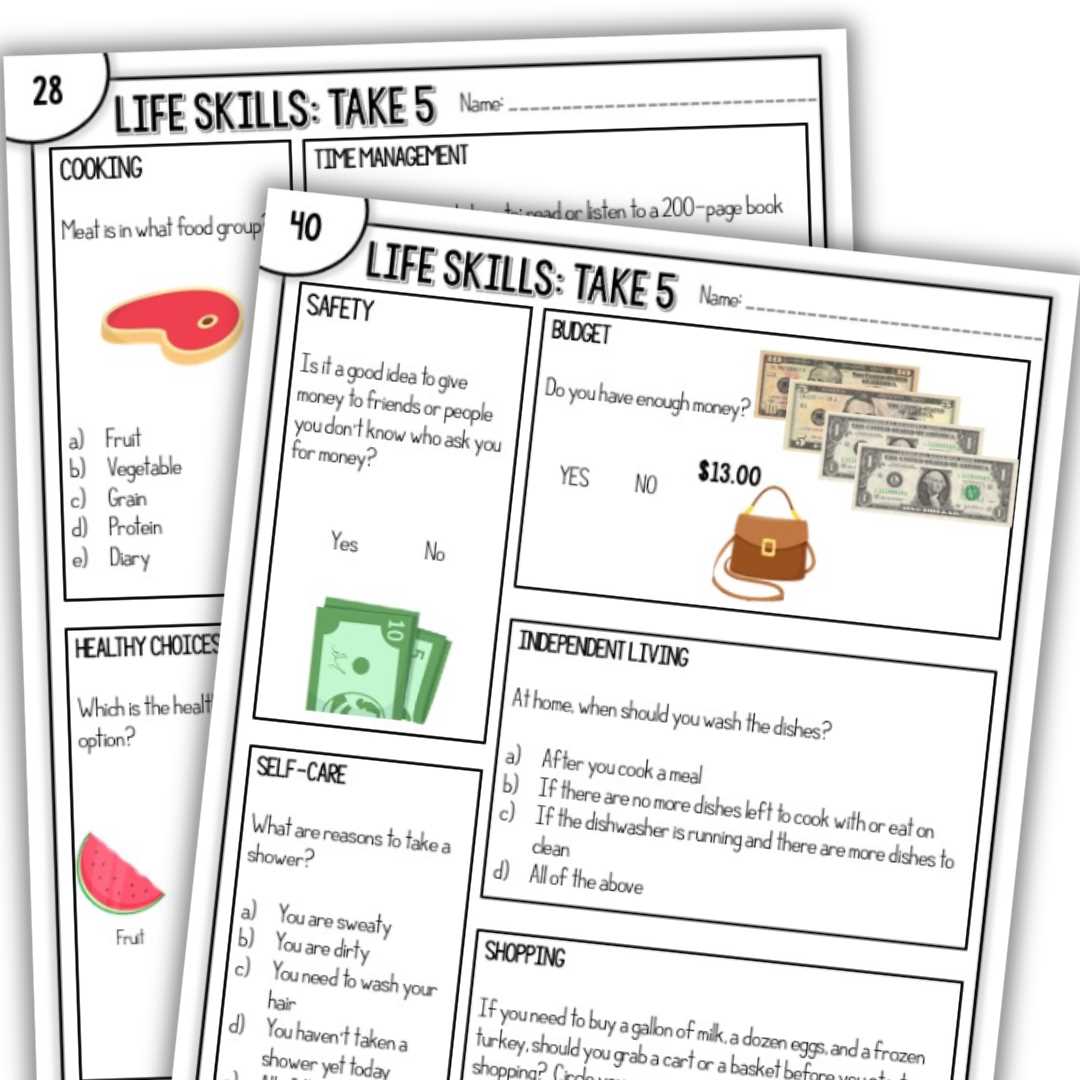
Begin by identifying the key areas to focus on: income, expenses, and savings. Separate the worksheet into distinct sections that allow users to track these categories easily. For each section, provide a table where users can enter amounts, descriptions, and dates. Offer a simple format where they can add multiple entries under each category for clarity.
Design the worksheet with clear columns for different spending categories: housing, transportation, food, and entertainment. Use checkboxes or dropdown menus for easy selection of categories. This will reduce confusion and encourage more consistent tracking of expenditures.
Incorporate a section for calculating monthly totals and comparisons between planned and actual spending. Add a formula or guidelines for calculating savings, providing an easy way for individuals to see their progress toward financial goals. Keep this part simple, using basic math to help users understand the relationship between income and expenses.
Consider including a visual aid, such as a pie chart or bar graph, to represent how funds are allocated. This will help people see trends and patterns in their finances. For those who are less familiar with numbers, visuals make complex data more approachable and offer a quick snapshot of their budgeting habits.
Finally, provide space for setting future goals or notes. Whether it’s about cutting down on unnecessary expenses or saving for a specific purchase, this section should encourage individuals to plan ahead. Adding a reminder or motivational message can keep users engaged and focused on improving their financial management over time.