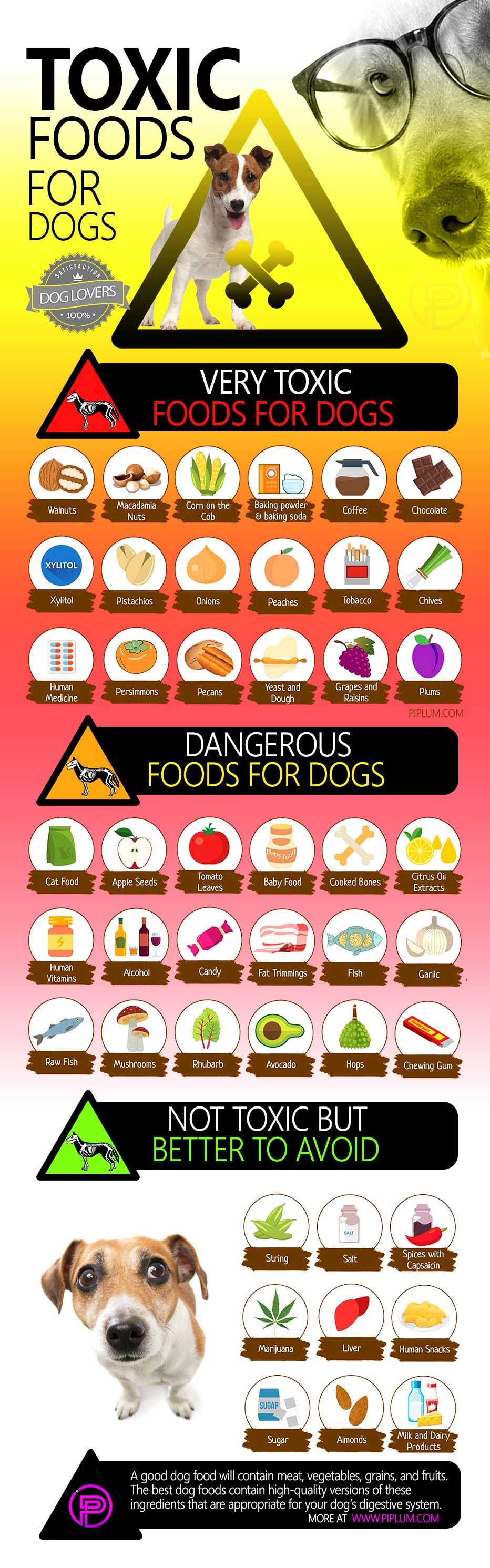
Remove grapes, raisins, cocoa-based treats, and xylitol-sweetened products from shared spaces immediately. Even small amounts of grapes or dried variants can trigger acute kidney shutdown within hours. Cocoa derivatives contain theobromine; as little as 20 mg per kilogram may provoke agitation and tachycardia, while higher exposure escalates toward seizures. Xylitol pushes insulin release at speed, driving blood glucose down and risking liver injury.
Allium family produce–onions, garlic, leeks, chives–damages red blood cells through oxidative stress. Repeated exposure or a single large serving leads to weakness, pale gums, and dark urine. Macadamia nuts cause tremors, hind-limb weakness, and fever, typically appearing inside 12 hours. Caffeinated drinks and powders disturb heart rhythm and raise body temperature, with sensitivity varying by body mass.
Alcoholic beverages and fermented dough introduce ethanol, depressing the central nervous system and impairing breathing. Cooked bones splinter under pressure, puncturing the digestive tract; rawhide substitutes also swell and obstruct. Watch signs such as vomiting, drooling, collapse, or unsteady gait and seek veterinary care without delay. Keep a fridge-ready checklist near the pantry, review ingredient labels closely, and train household members to keep risky edibles sealed and out of reach.
Hazardous Edibles That Threaten Canine Health
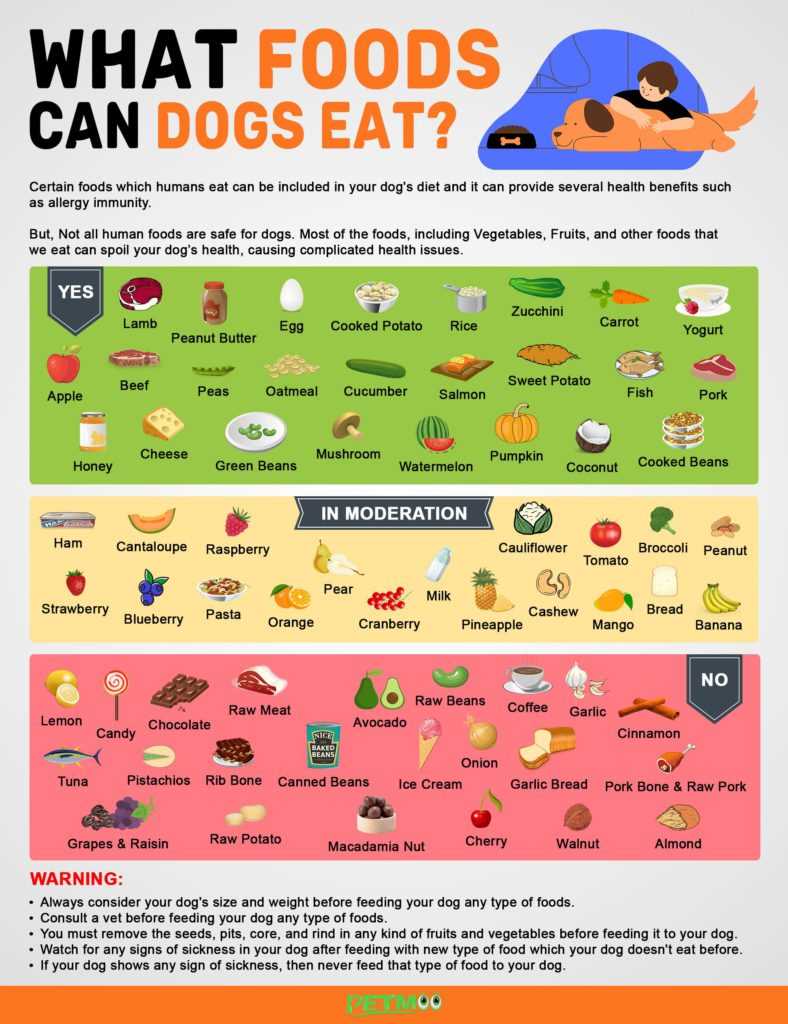
Remove grapes and raisins immediately; even small amounts can trigger acute kidney failure in canines within hours. Symptoms include vomiting, lethargy, and reduced urine output, requiring urgent veterinary attention.
Chocolate, cocoa powder, and cacao nibs contain methylxanthines such as theobromine. Dark varieties pose higher danger due to concentration. Effects range from tremors and rapid heartbeat to seizures, with smaller breeds facing greater risk.
- Onions, garlic, leeks, chives: damage red blood cells, leading to anemia.
- Alcoholic beverages, raw dough: cause hypoglycemia, respiratory depression, coma.
- Xylitol sweetener: provokes sudden insulin release, severe liver injury.
Cooked bones splinter easily and puncture the gastrointestinal tract. Fat trimmings provoke pancreatitis, marked by abdominal pain and repeated vomiting. Both items should remain off any feeding routine.
Macadamia nuts induce weakness, hyperthermia, and joint pain within twelve hours. Nutmeg brings hallucinations and elevated heart rate. Citrus peels and essential oils irritate the nervous system and digestive lining.
- Store hazardous ingredients inside sealed containers.
- Educate household members regarding risky table scraps.
- Post a clear reference sheet near feeding areas.
Any suspected ingestion demands immediate action: contact a veterinarian or animal poison helpline without delay. Home remedies or waiting periods increase complications.
Human Foods That Cause Immediate Poisoning in Dogs and Their Common Sources
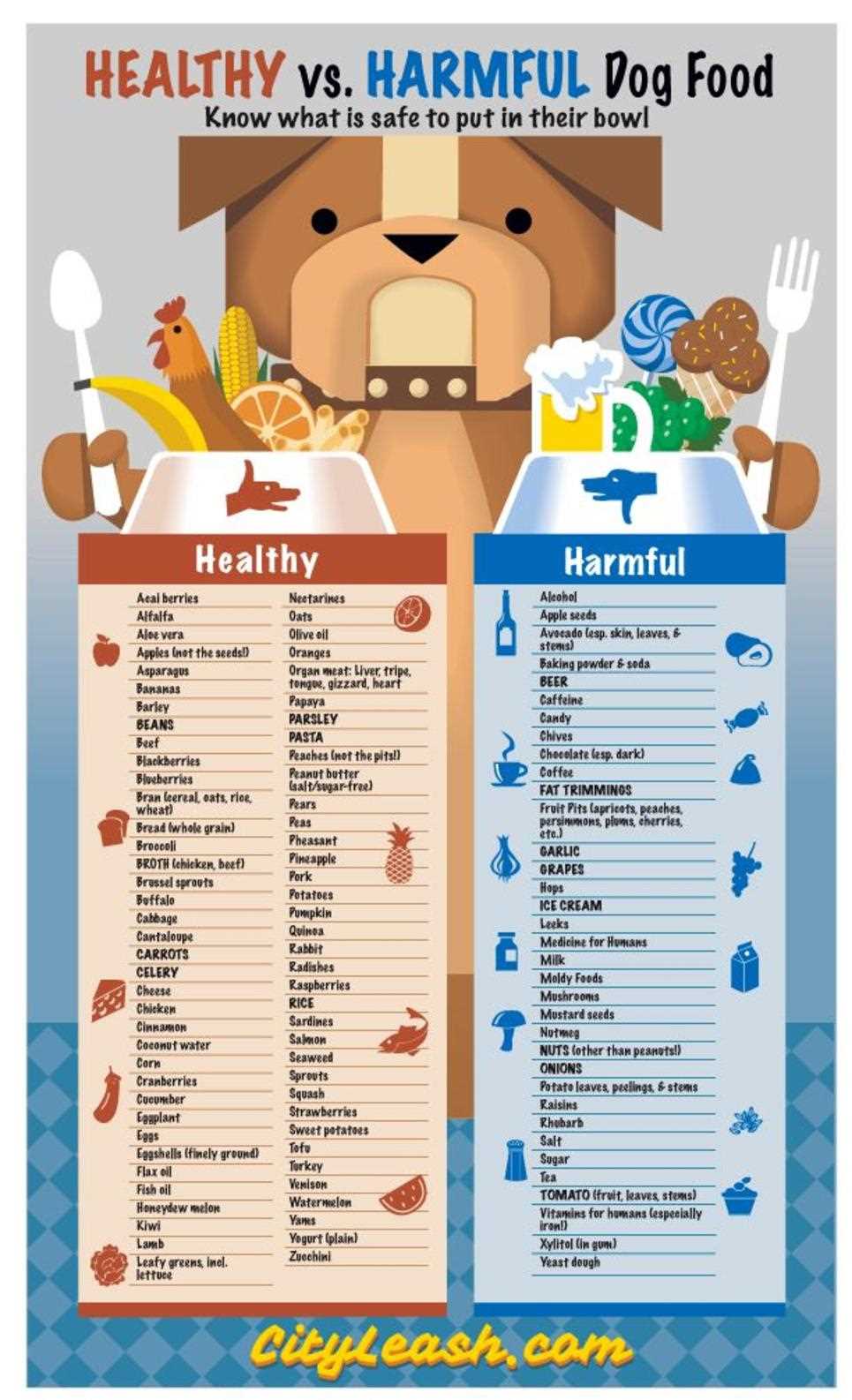
Remove grapes and raisins from reach immediately; ingestion can trigger acute kidney failure within 24–72 hours. As little as 10–12 grapes may endanger a medium-sized animal, and some react after only a few pieces. Common sources include snack bowls, bakery items such as cinnamon raisin bread, trail mixes, granola bars, and holiday fruitcakes. Early signs include vomiting, lethargy, abdominal pain, and reduced urine output.
Keep chocolate strictly inaccessible because theobromine and caffeine can provoke seizures and cardiac arrhythmias within hours. Dark varieties and cocoa powder contain the highest concentrations, with baking chocolate posing the greatest risk. A dose of 20 mg of theobromine per kilogram of body weight can produce mild symptoms, while 40–50 mg/kg may lead to severe cardiac effects. Frequent sources are brownies, chocolate chips, hot cocoa mix, protein bars, and candy wrappers left on tables.
Never offer onions, garlic, leeks, or chives in any form, raw or cooked. These plants contain organosulfoxides that damage red blood cells and can cause hemolytic anemia. Clinical signs may appear within one day or be delayed up to five days, including pale gums, weakness, rapid breathing, and dark urine. Typical exposure occurs through pizza toppings, seasoned meats, baby food, sauces, and powdered soup mixes.
Avoid xylitol at all costs; this sugar substitute can induce life-threatening hypoglycemia in less than 30 minutes. Doses as low as 0.03 g/kg may significantly drop blood glucose, and 0.5 g/kg is associated with acute liver failure. It is frequently present in sugar-free gum, mints, peanut butter labeled “no sugar added,” cough syrups, chewable vitamins, and some baked goods marketed as low-carb.
Alcohol and unbaked yeast dough pose rapid neurological danger. Ethanol depresses the central nervous system, leading to vomiting, disorientation, slowed breathing, and coma. Raw dough expands in the stomach and produces ethanol during fermentation, increasing the risk of gastric dilation and alcohol poisoning simultaneously. Exposure often happens during home brewing, baking sessions, or access to unattended drinks.
Macadamia nuts can provoke sudden weakness, tremors, and hyperthermia within 12 hours. Ingestion of approximately 2.4 g per kilogram has been linked to clinical illness. These nuts are commonly found in cookies, mixed nut bowls, snack packs, and holiday gift tins. Symptoms usually resolve within 48 hours with veterinary care, but severe cases require hospitalization.
Caffeine-containing products such as coffee grounds, energy drinks, tea bags, and certain supplements may cause rapid heart rate, restlessness, and seizures. Ingesting used coffee grounds is particularly hazardous because they retain significant stimulant content. Immediate veterinary intervention is required if tremors, vomiting, or hyperactivity appear after suspected exposure.