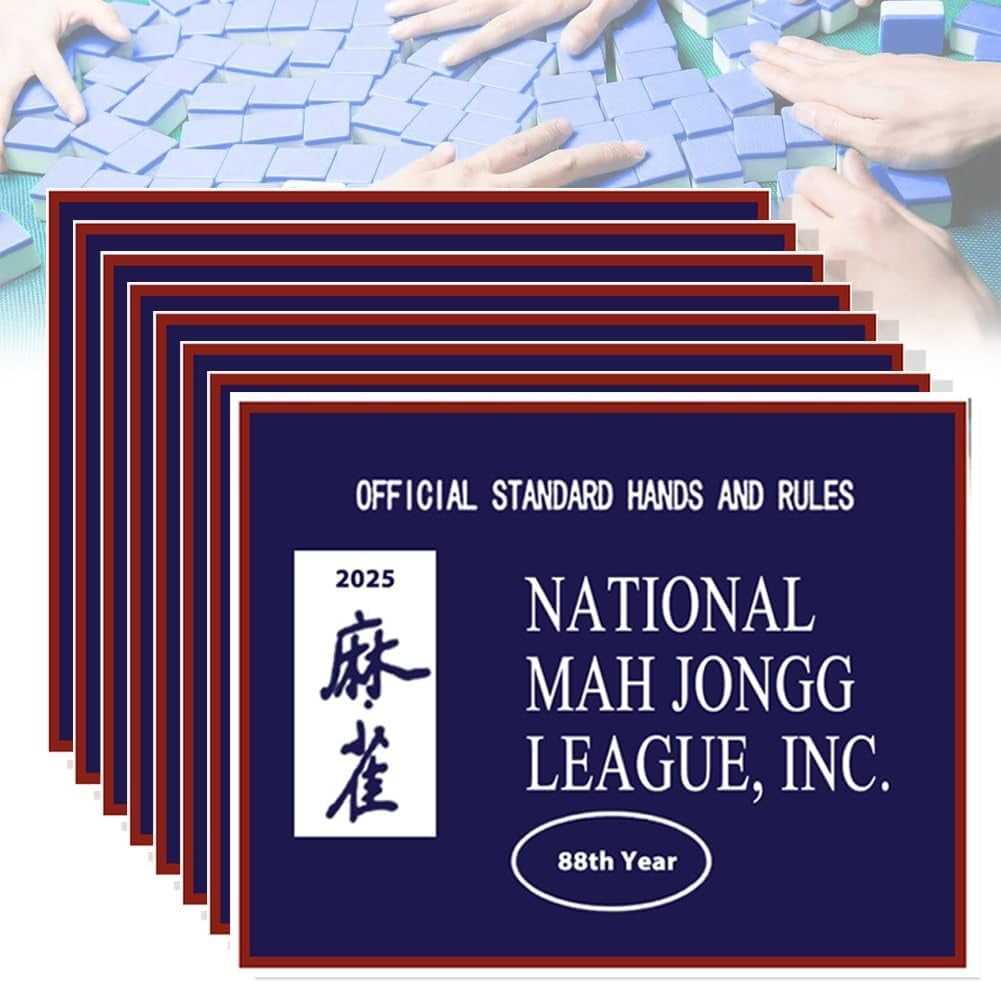
If you want to make your own set at home, the first step is selecting a sturdy material for printing. Opt for thick paper or cardstock that can handle wear and tear. Choose a weight of at least 200 gsm for durability. It’s also important to select a finish that resists smudging, such as matte or satin, to maintain clarity over time.
After you’ve picked your paper, download a high-quality template that includes all the symbols and suits you need. Ensure the template is properly sized for the paper you’re using–typically, each piece should be around 1.5 to 2 inches square. There are numerous resources online offering free or paid templates that are pre-designed to meet these standards.
Next, load your paper into the printer and adjust the settings to print at the highest resolution possible. It’s best to use a color printer to ensure all symbols are crisp and clear. Once printed, let the pages dry completely before cutting to avoid smudging the ink.
For cutting, use a sharp craft knife or paper cutter for precision. You can even round the corners of each piece to mimic traditional sets, using a corner punch or scissors. Once the pieces are cut, consider laminating them for extra protection against bending or tearing, especially if you plan to use the set frequently.
Choosing the Right Paper for Your Set
To create a durable set, select a thick, high-quality paper or cardstock. A weight of at least 200 gsm will prevent bending and ensure the pieces last longer. Look for matte or satin finishes that resist smudging and give the designs a sharp, clear appearance. Avoid glossy finishes as they may make symbols hard to read under bright lights.
Downloading the Template
Find a reliable, high-resolution template that matches the size and proportions of the game pieces you need. Websites offering templates often include multiple versions, so double-check that the one you choose corresponds to your preferred style, be it a classic or modern set. Verify the dimensions–each tile should typically measure about 1.5 inches square, but check your template’s specifics before printing.
Printing with Precision
Use a color printer with the highest resolution setting to capture all details clearly. If possible, choose a printer with ink that dries quickly to avoid smudging. Ensure your settings match the paper type you’ve chosen, such as “cardstock” or “heavy paper.” Before printing, run a test print on regular paper to ensure the colors and symbols appear as expected.
Cutting the Pieces
Once printed, let the sheets dry completely to prevent ink smudging. To cut the tiles, use a craft knife or precision paper cutter for straight, even edges. A ruler will help maintain consistency in size. For rounded corners, consider using a corner punch for a professional finish. Be patient with this step to ensure the pieces are uniform and easy to handle.
Protecting and Assembling
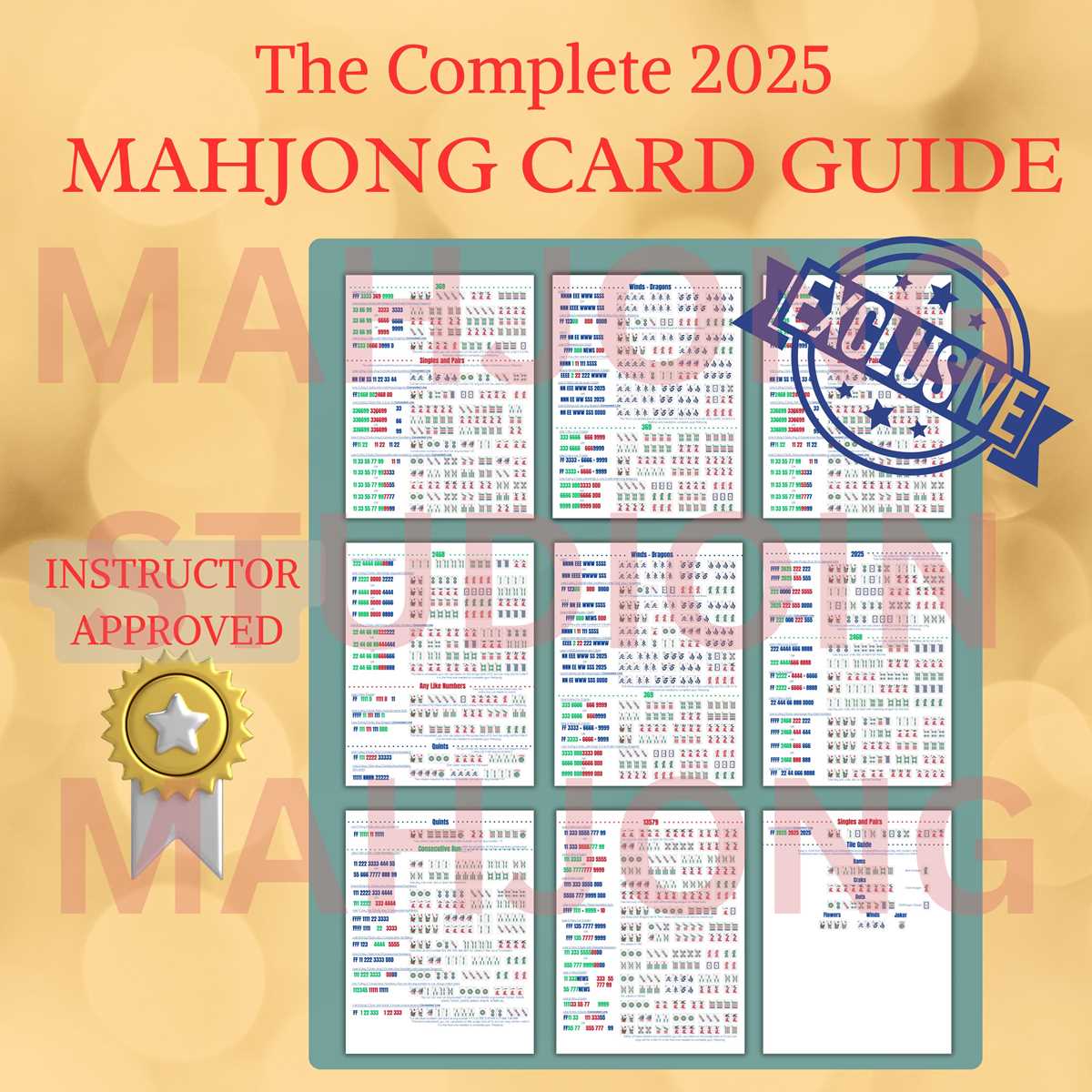
If you want to make the pieces last longer, laminate them after cutting. This adds a layer of protection against wear and tear. Alternatively, glue the printed tiles onto a thin backing board for extra strength. To make the set feel more authentic, consider storing the pieces in a small wooden box or bag to keep them organized and ready for play.
How to Choose the Right Paper for Printing Mahjong Tiles
For creating a durable set, use thick cardstock with a weight of at least 200 gsm. This ensures the pieces are sturdy and can withstand frequent handling. Lightweight paper tends to bend easily and won’t last long, so avoid anything under 150 gsm.
Consider the finish of the paper. Matte or satin finishes are ideal for game pieces as they reduce glare and prevent smudging. Glossy paper may look appealing at first, but the shine can make it difficult to read the symbols in bright lighting, diminishing clarity.
Pay attention to the texture of the paper. A smooth surface is best for printing crisp, clear images. Textured papers can distort the designs and make the symbols harder to see. If you prefer a more tactile feel, select a lightly textured paper with a subtle grain that won’t interfere with the details.
Paper quality varies depending on the brand, so check the manufacturer’s specifications. A high-quality cardstock designed for printing or photo paper will yield the best results. Some specialty papers are treated to resist fading and wear, which is useful if you intend to use your set frequently.
For extra durability, consider laminating the printed pieces or gluing them to a thicker backing board. This prevents bending and extends the life of the tiles. Laminated pieces are particularly helpful in protecting against spills or moisture.
- 200 gsm or higher weight for durability
- Matte or satin finish for readability
- Smooth surface to avoid distortion of details
- Test paper quality and choose a brand with reliable reviews
- Consider lamination or additional backing for extra protection