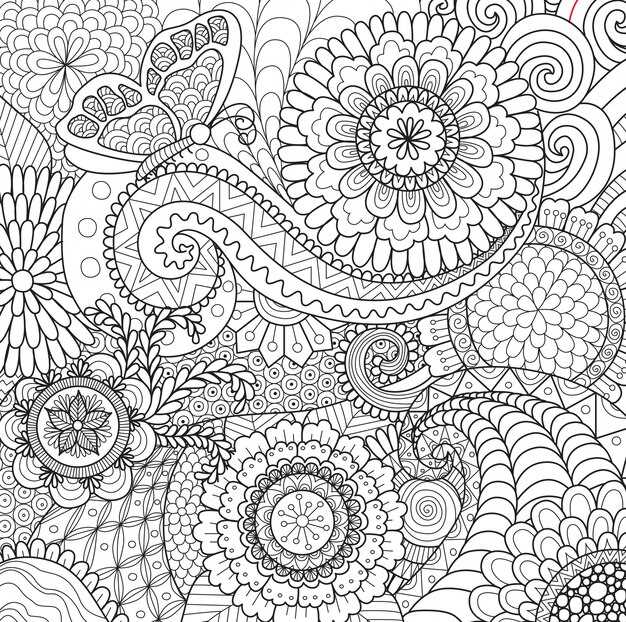
Choose designs with clear, simple lines for beginners. This ensures that the colouring process is enjoyable and not overwhelming. Opt for geometrically balanced motifs, which offer symmetry and harmony while being easy to manage.
For more experienced individuals, select intricate, detailed figures with smaller sections. These designs allow for more creativity and can help improve focus and patience. Experiment with varied complexity, from flowing curves to precise, repetitive patterns.
If you’re looking to make your experience even more immersive, consider using quality materials. Choose heavier paper to avoid bleeding through, and use tools like coloured pencils or fine-tip markers for precision. This combination enhances the vibrancy of the art and ensures it holds up well over time.
Guide to Mandala Colouring for Relaxation and Creativity
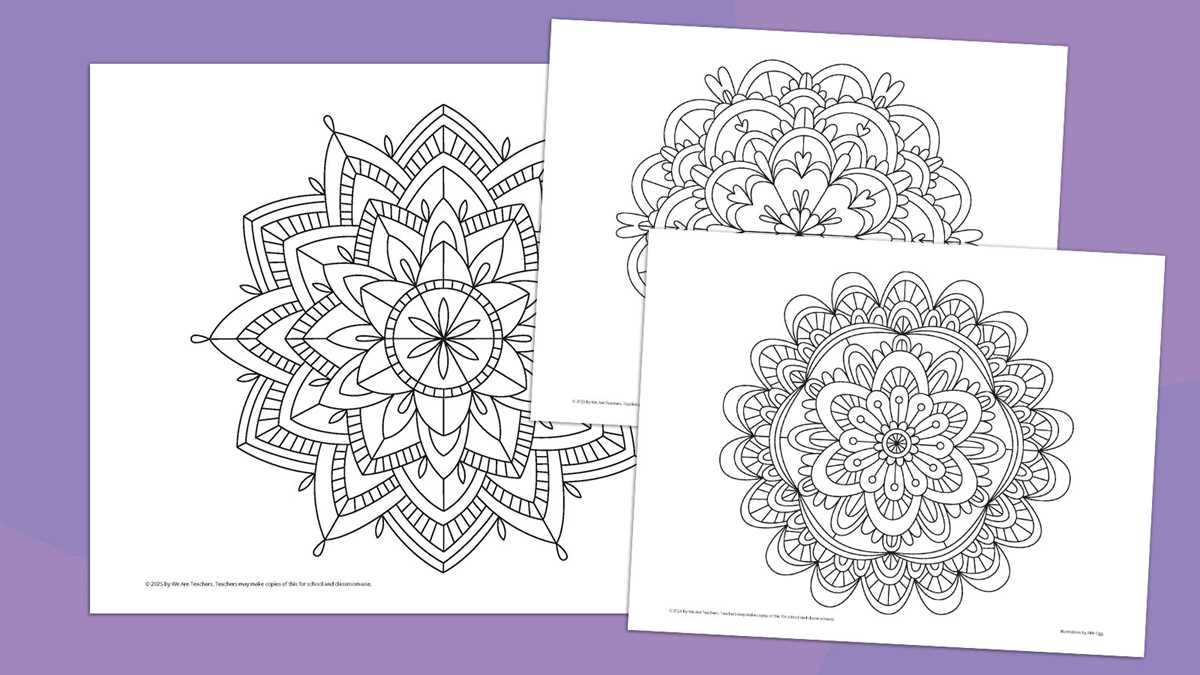
Start by selecting a design that appeals to you visually. For relaxation, choose a piece with symmetrical, flowing lines. These calm the mind and help maintain focus. Avoid overly complex figures at first to prevent frustration.
Next, pick colours that resonate with your current mood. Soft pastels can be soothing, while vibrant shades energize the experience. Don’t hesitate to experiment with different combinations as you go along–this is about enjoying the process, not just the result.
If you’re looking for a deeper sense of peace, try using muted tones for the background and brighter colours for the intricate details. This creates a contrast that draws attention to the finer elements, making the process more engaging.
To ensure smooth application, use quality tools. A set of coloured pencils with soft leads will allow you to blend colours easily, while markers can be used for bold, vibrant sections. Try using gel pens for smaller areas to add detail and texture.
As you start filling in sections, work on one part at a time. This technique helps you stay in the moment and prevents overwhelm. Take short breaks if needed to clear your mind before continuing. It’s all about finding a rhythm that suits you.
To enhance the creative flow, let the artwork guide you. Follow the natural patterns and let the colours organically flow from one section to another. Don’t feel compelled to stick to a strict pattern–this is an exercise in letting go.
When you feel ready, try adding personal touches to the piece, such as accentuating specific areas with metallic pens or adding unique border designs. This customizes your design, making it feel more personal and fulfilling.
Finally, as you finish, take a step back and admire your work. Appreciate the effort and creativity you’ve poured into it. This process is not just about the end product–it’s about the peace and creativity fostered during the experience.
How to Select the Right Mandala Design for Your Skill Level
If you’re a beginner, choose simpler designs with large sections and fewer intricate details. These are easier to fill in and help you gain confidence before attempting more complex artwork. Start with circular designs that have basic symmetry and limited elements.
For intermediate skill levels, opt for designs with more detailed sections and slightly more intricate geometry. These will challenge you, helping you build your skills without overwhelming you. Look for designs with repetitive shapes and patterns that gradually increase in complexity.
Advanced designs typically feature smaller, more intricate spaces, requiring precision and patience. These are perfect for those who are comfortable with colouring and ready to take on more detailed tasks. Choose highly detailed patterns with lots of small sections to keep your focus sharp.
Keep in mind the balance between complexity and enjoyment. If a design feels too difficult or frustrating, scale back to a simpler one. The goal is to maintain a fun and relaxing experience while gradually improving your technique.
For a balanced approach, mix designs that vary in complexity. Combine intricate sections with simpler parts within a single piece. This will give you variety while still allowing you to feel a sense of accomplishment as you progress through the design.
Consider the colour schemes required for each design. Some more detailed designs may need a broader range of colours and more planning. If you’re not comfortable with a wide range of colours, start with designs that can be coloured with fewer hues for a more manageable experience.
Lastly, take into account your current mood and energy. On days when you’re feeling particularly relaxed, tackle more complex designs that require patience. On busier days, opt for simpler designs that let you unwind without pressure.