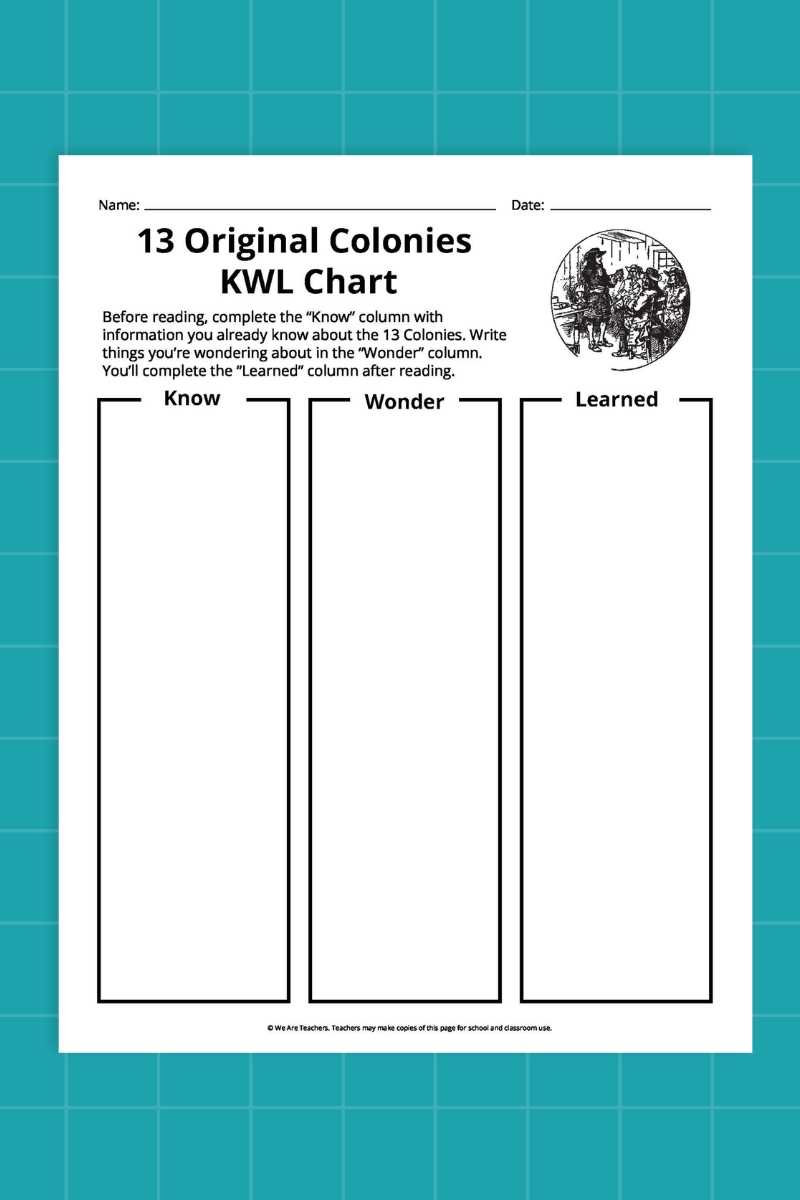
Select a high-resolution outline of early British settlements in North America formatted for standard US Letter or A4 paper to ensure clear borders and readable place names. Choose versions with 300 DPI quality so coastlines, rivers, and colonial boundaries remain sharp after printing for classroom packets or homework sheets.
Use two formats: one sheet with named provinces such as Virginia, Massachusetts, and Pennsylvania, and another blank outline for labeling practice. This allows teachers to assign identification tasks, timed quizzes, or color-coding activities focused on New England, Middle, and Southern regions without redesigning materials.
Include major geographic features like the Atlantic coastline, Appalachian Mountains, Hudson River, and Chesapeake Bay. Marking these landmarks alongside provincial borders helps students connect settlement patterns with trade routes, agriculture, and port development during seventeenth and eighteenth century British America.
Printable Map of the 13 Colonies
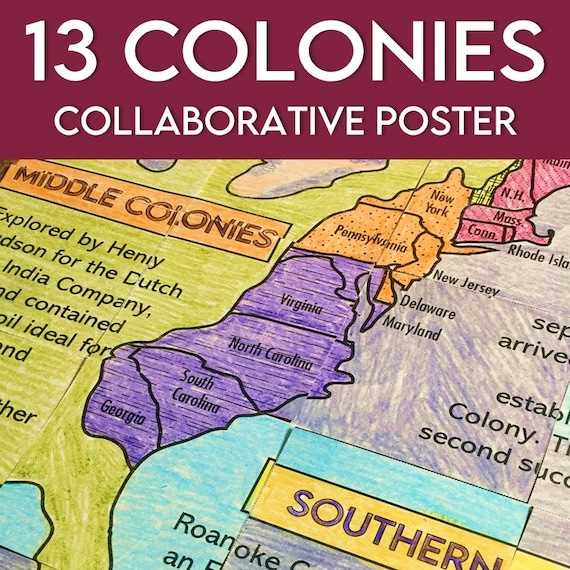
Download a high-resolution outline showing thirteen British provinces along Atlantic coast and print it at 100 percent scale on US Letter paper for clear boundary lines. Select a version that marks Massachusetts, New York, Virginia, and Georgia with legible type sized at least 12 pt to keep place names readable for middle school students.
Use one sheet with labeled provinces and another blank layout for identification drills. Assign students to write names, shade New England in one color, Middle region in another, and Southern settlements in a third. This visual grouping helps connect regional economies such as shipbuilding in Massachusetts, grain production in Pennsylvania, and plantation agriculture in South Carolina.
Add major physical features including Appalachian Mountains, Hudson River, Delaware River, and Chesapeake Bay. Marking ports like Boston, New York City, and Charleston supports lessons on trade routes and Atlantic commerce between seventeenth and eighteenth century British America.
For assessment, provide a timed labeling exercise with at least ten required names and two geographic features, grading accuracy of spelling and placement rather than artistic detail.
How to Choose Between Labeled and Blank 13 Colonies Maps for Different Grade Levels
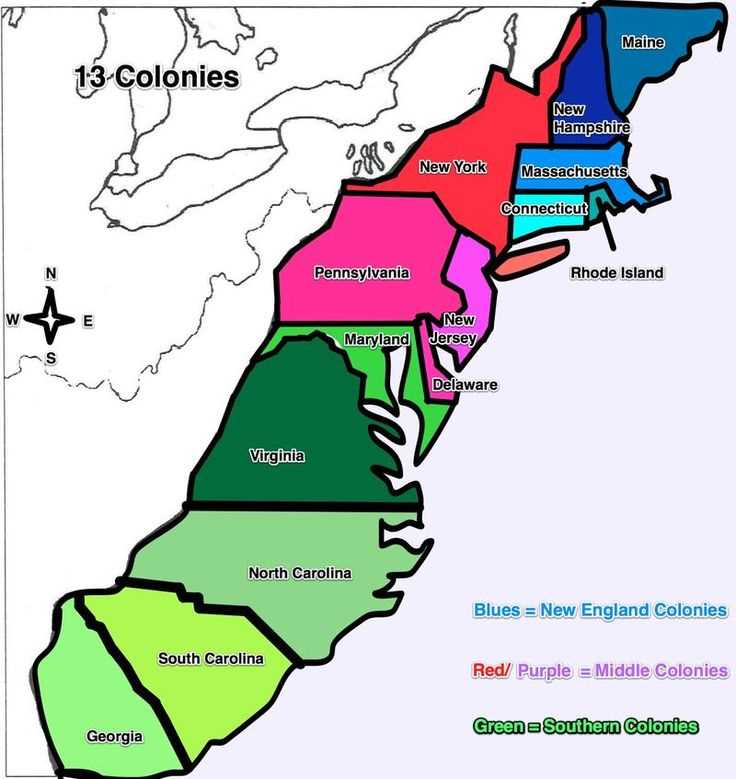
Select a fully labeled outline for grades 3–4 so students can associate each British province with its position along Atlantic coast without guessing spellings or borders.
For grade 5, use a version that shows province names but omits major rivers and mountain ranges. This format allows learners to add Hudson River, Appalachian Mountains, and Chesapeake Bay themselves while still seeing political boundaries of Massachusetts, Pennsylvania, Virginia, and Georgia.
Provide a completely unlabeled worksheet for grades 6–8 and require identification of all thirteen provinces plus at least three port cities such as Boston, New York City, and Charleston. Set a time limit of 10–15 minutes to measure recall rather than reference skills.
Include a word bank for younger students but remove it for older groups to increase difficulty.
Check font size and line clarity before printing; names should be no smaller than 11–12 pt to prevent misreading during classroom projection or photocopying.
Use color-coded regional outlines for elementary levels, separating New England, Middle region, and Southern settlements, then shift to monochrome sheets in middle school to require independent grouping.
For advanced classes, distribute a blank geographic outline without internal borders and assign students to draw provincial lines based on historical charters from 1607 to 1732.
Match worksheet choice to assessment goal: recognition for lower grades, accurate labeling and spatial memory for upper grades, and boundary reconstruction for advanced learners.