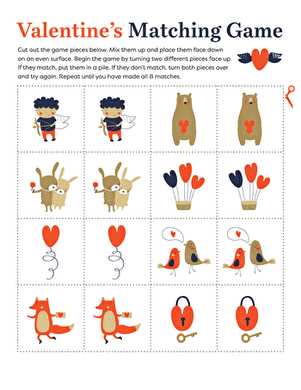
Enhancing Cognitive Skills Through Visual Pairing
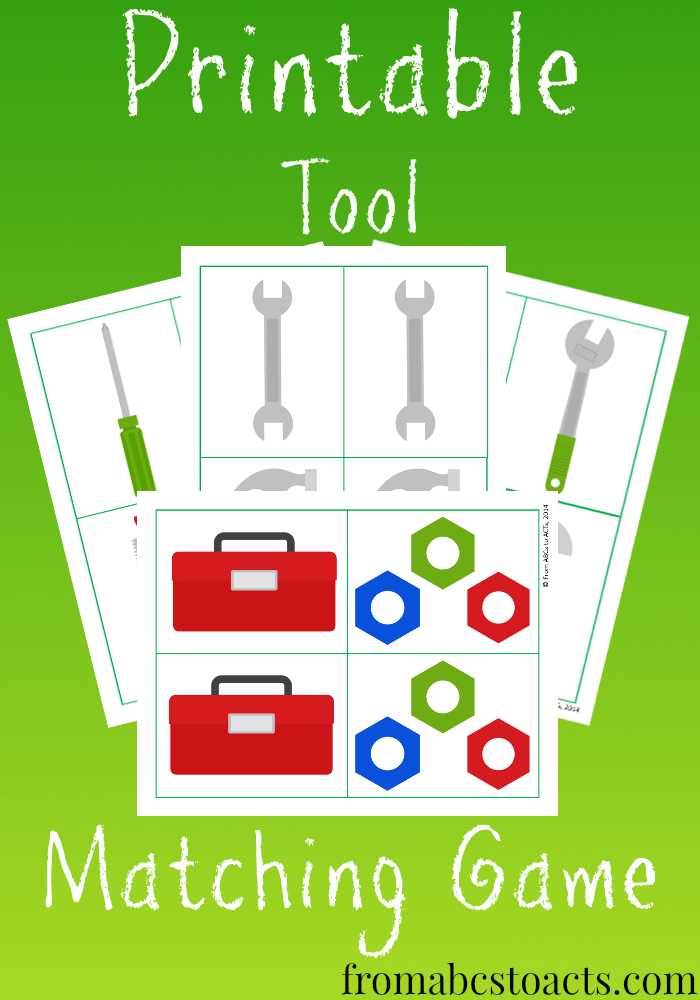
Introduce your child to a range of exciting exercises that boost memory, attention, and pattern recognition by providing opportunities to identify and link similar items. These simple activities stimulate both the visual and cognitive abilities of young minds. Choose colorful images, familiar objects, or shapes that are easy for your child to associate with real-life experiences. The more relatable the visuals, the quicker your child will grasp the task.
Materials You Need
- Paper or cardboard sheets
- Colorful pictures, animal images, or geometric shapes
- Scissors
- Markers or crayons
How to Set Up
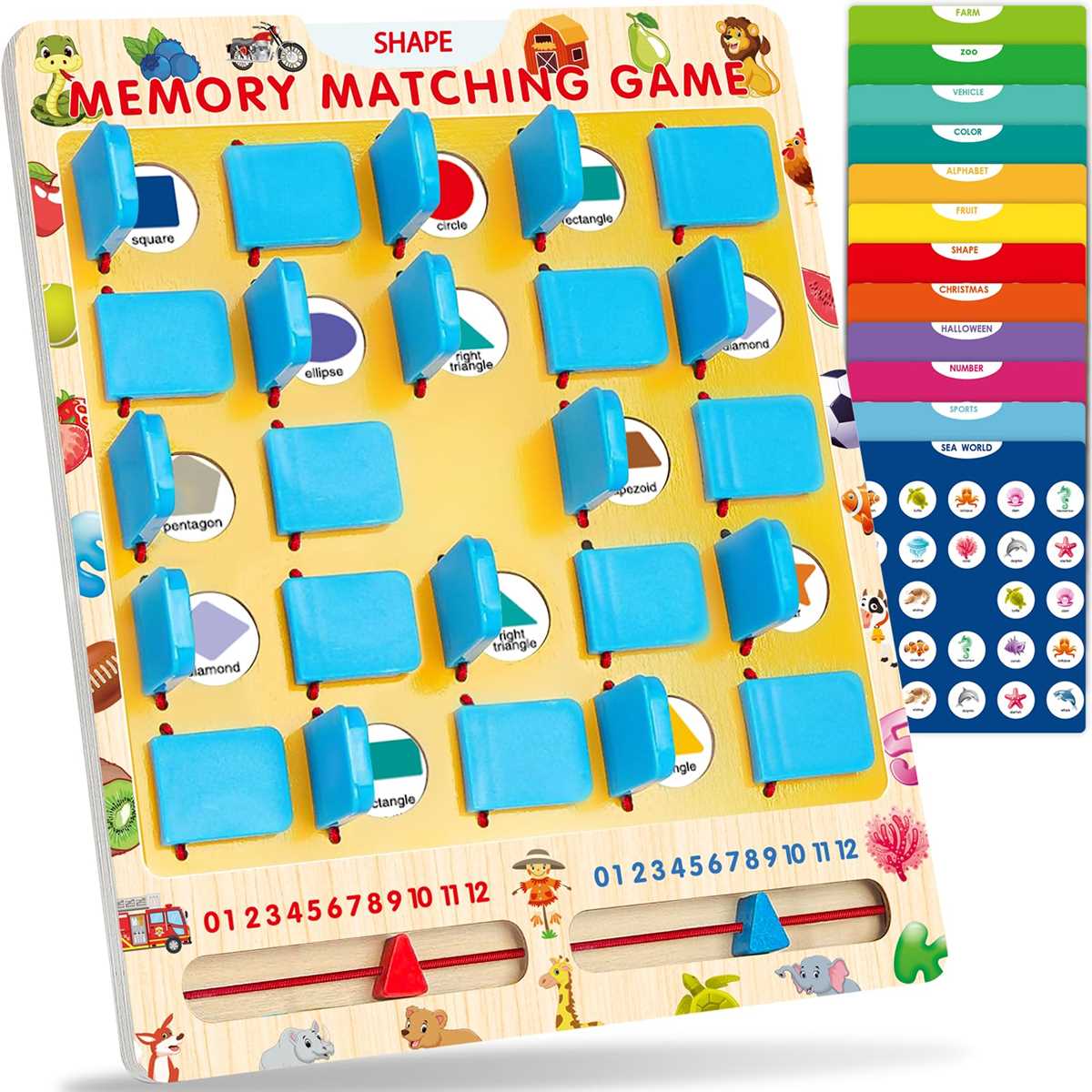
Cut out matching pairs from your chosen images. For instance, you can select animal illustrations or simple objects like fruits and vehicles. Ensure the images are not overly detailed, as simplicity is key for younger children. Prepare at least ten pairs to keep your child entertained and challenged, without overwhelming them.
Instructions for Activity
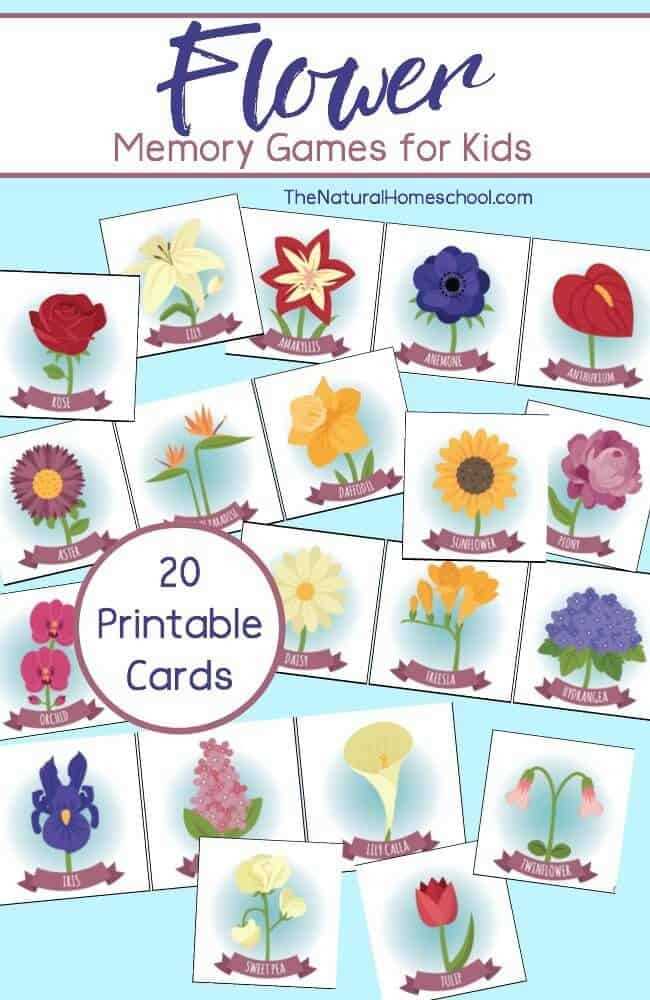
- Place the cards face down in a grid layout.
- Encourage your child to flip two cards at a time, looking for matching pairs.
- When a match is found, remove the pair from the layout and continue until all pairs are matched.
- For added fun, time the sessions or incorporate rewards after each successful pair.
Building Vocabulary with Visual Connections
Use these activities to strengthen your child’s language skills. As they identify pairs, encourage them to repeat the names of objects or animals. This simple exercise helps increase word recall and comprehension. You can also introduce new words based on the images used. For example, if using animals, teach the child the sounds the animals make or other facts about them. This not only reinforces memory but also aids in verbal development.
Tips for Success
- Start with just a few pairs to avoid frustration.
- Gradually increase the complexity by adding more pairs or introducing themed sets (e.g., dinosaurs, vehicles, or colors).
- Adapt the difficulty based on your child’s learning progress–simplify or make it more complex as needed.
Using This Activity in Daily Learning
Integrate these exercises into your child’s routine to build skills while having fun. You can create themed sets that match upcoming lessons, such as shapes for learning geometry or fruits to introduce healthy eating concepts. These pairing activities are perfect for short, engaging bursts of learning during quiet moments or travel times.
Engaging Activities for Little Ones
Print interactive cards with simple images that kids can pair together. Use items that they frequently see, like animals or toys, to make connections more relatable. This can improve their recognition and memory skills while keeping them entertained.
Introduce pairs of objects that belong together, like a sock and a shoe or a cat and its paw print. These visuals help children associate everyday items, which is key to cognitive development.
Include shapes and colors in the cards. These simple concepts are easy for little ones to grasp and help with early learning. They can group items by color or match circles with other shapes, practicing their observation skills.
For a challenge, use cards that have a question and answer format. For example, a card might show a dog, while the matching card shows a bone, prompting the child to recognize relationships between objects.
Consider gradually increasing complexity by introducing more subtle pairings, like different breeds of animals or common household items. This keeps the activity fresh and aligns with their growing abilities.
Keep the experience brief and interactive. Toddlers have short attention spans, so it’s helpful to make sessions quick. Also, provide positive feedback after each match to encourage participation.
Adapt these activities to your child’s favorite things. Matching a picture of a superhero or princess might spark their interest more than generic objects, making them more invested in the activity.
Finally, make sure to store the cards in an accessible place so they can come back to the activity later. Repetition is key in developing cognitive connections and memory in young children.