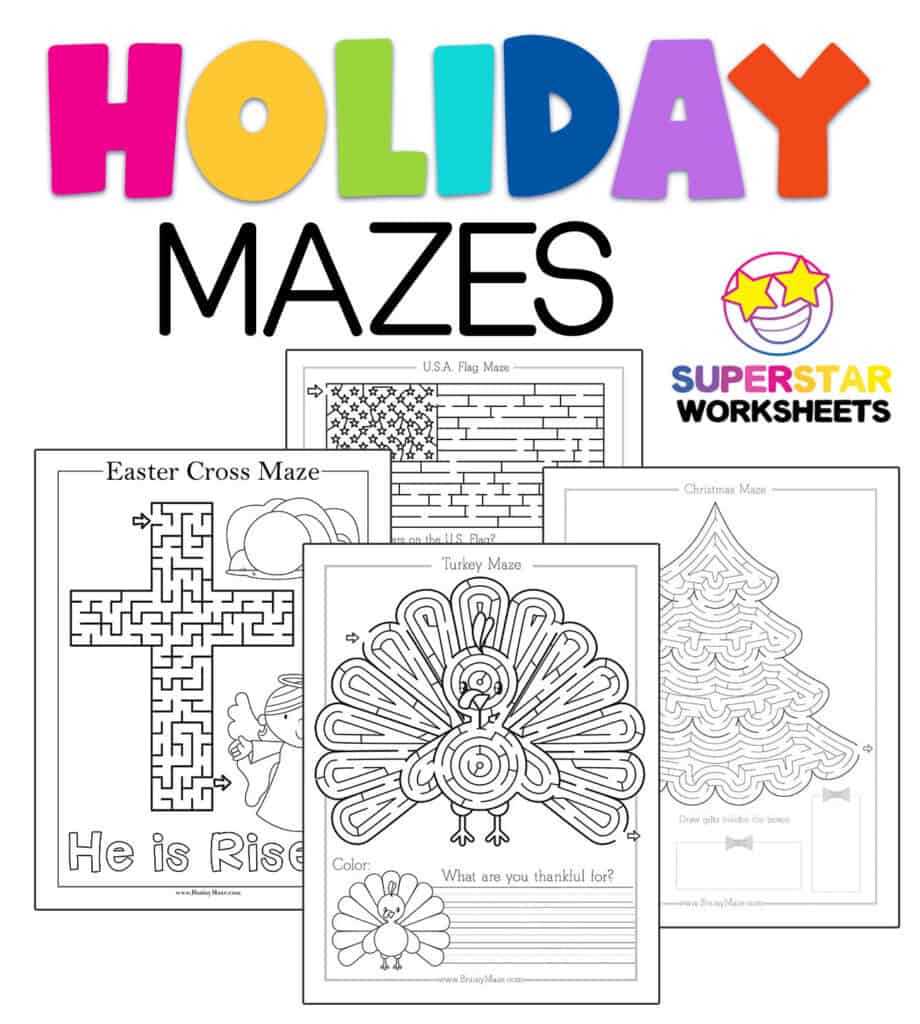
If you’re looking to entertain and challenge someone, providing a puzzle that requires focus and problem-solving skills is an excellent choice. These types of puzzles are perfect for all ages, and they can be designed and printed at home with ease. Here’s how you can create fun, engaging puzzles that will entertain anyone from children to adults.
Designing a Custom Puzzle for Different Skill Levels
Start by deciding on the complexity of your design. For children, create larger spaces and easier routes. As the difficulty increases, reduce the space and add more intricate turns. For adults, you can add multiple paths and dead ends, requiring more thought and attention.
- For kids: Use simple paths with wide turns and few obstacles.
- For beginners: Gradually make paths more narrow and introduce false routes.
- For experts: Challenge them with complex patterns, small spaces, and multiple solutions.
Once you have a clear vision for the difficulty, choose whether you’ll be hand-drawing or using software to create your design. Online tools are available that allow you to adjust difficulty levels by controlling the number of intersections, length of paths, and number of dead ends.
Where to Find Templates and Tools for Custom Designs
For those who prefer not to design puzzles from scratch, there are many resources online that provide free downloadable templates and customizable options. Websites dedicated to puzzle enthusiasts often offer templates that can be easily printed. These resources allow you to adjust the design to match the skill level of the person solving it.
- Puzzle Generator Tools: Websites like Puzzle-Maker.com or Maze Generator can instantly create a variety of puzzle styles.
- Printable Templates: Many websites, such as SuperTeacherWorksheets or K5 Learning, provide printable templates that can be filled out with specific designs.
- Software Options: Programs like Adobe Illustrator or Inkscape offer greater control over creating custom designs with detailed editing features.
Additional Tips for Custom Puzzle Designs
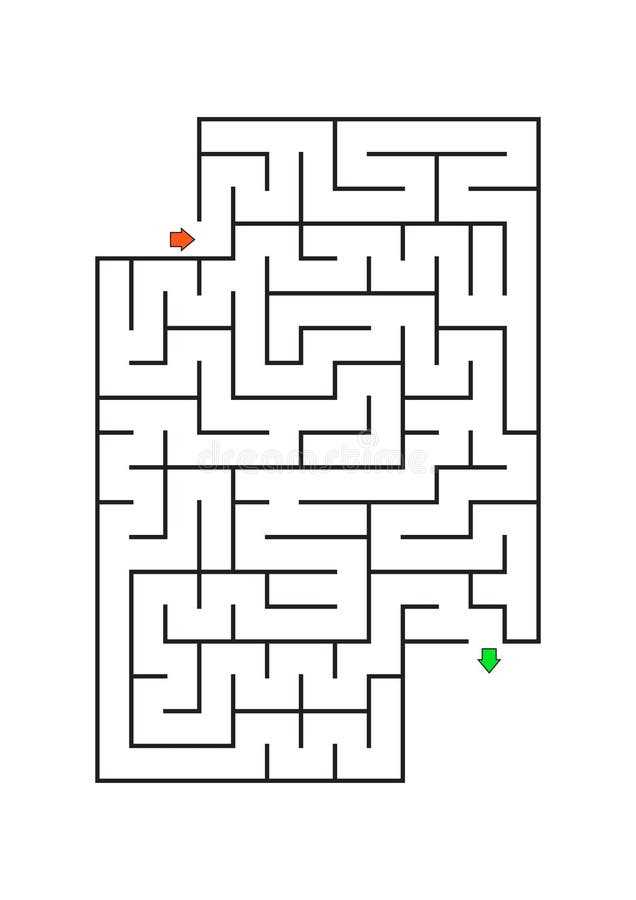
- Ensure that the start and end points are clearly marked for easy navigation.
- Vary the difficulty within one design by incorporating both simple and complex sections.
- Consider adding fun elements like hidden pictures or challenges to solve along the way.
Whether for a quick challenge or a long puzzle-solving session, creating or finding custom puzzles is a rewarding experience that can be tailored for any occasion. With a little creativity and the right tools, anyone can enjoy hours of entertainment solving these interactive challenges.
Creating Challenging Puzzles for All Ages
To design a stimulating puzzle, begin by selecting the right level of complexity. For beginners, create wider paths and fewer dead ends. As you increase the difficulty, reduce the space between paths and add more diversions to challenge the solver’s ability to stay focused. Gradually incorporate twists, turns, and multiple solutions for a greater challenge.
For kids, use larger grids with fewer obstacles and easy-to-follow routes. For adults or more advanced solvers, smaller grids and a mix of direct and indirect paths work well. Interactive themes, such as hidden words or images, can be added to make the puzzle more engaging without compromising its difficulty. The key is finding the right balance of challenge without causing frustration.
Online puzzle generators can save time when creating these designs. These tools let you customize the layout, adjusting the level of difficulty and even adding visual elements. Once satisfied with your design, print it out on standard paper or use higher-quality materials for a more durable puzzle. The beauty of these puzzles lies in their versatility and the ability to cater to different age groups and skill levels.