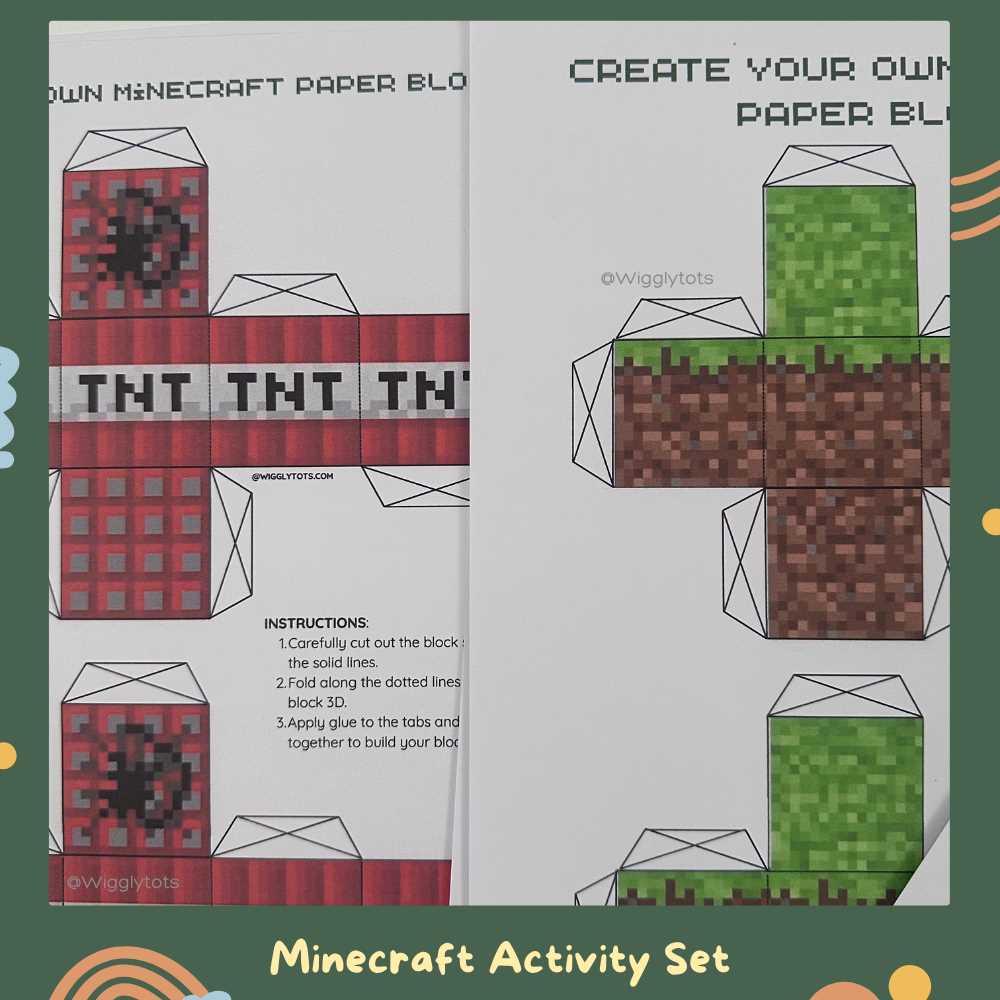
Download high resolution block themed learning pages in PDF format at 300 DPI and print them on 80–120 gsm paper for puzzles or 160–200 gsm paper for coloring tasks. Set scaling to 100 percent in the print dialog to keep grids and mazes aligned correctly.
Puzzles and Brain Teasers Based on Block Game Themes
Choose mazes sized at 10×10 or 15×15 cells for children aged 6–8, and larger 20×20 grids for ages 9–12. Word searches should contain no more than 12 hidden terms for younger players to avoid visual overload. Use clear sans serif fonts at 12–14 pt for instructions and at least 16 pt for titles.
Logic challenges inspired by crafting recipes work well as matching exercises. Present 6–8 item pairs per page and leave at least 15 mm spacing between columns for easier marking. For math tasks, insert pixel styled number blocks and keep equations within grade level standards, such as addition up to 100 for early elementary students.
Coloring Pages and Creative Tasks
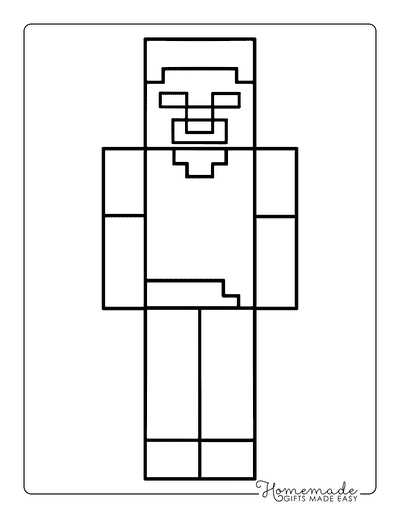
Select outline drawings with thick 2–3 pt stroke lines so shapes remain visible after printing. Avoid heavy gray backgrounds that consume ink. For marker use, print on thicker stock to prevent bleed through.
Include build your own character templates with blank square grids sized 16×16 or 32×32 cells. This format mirrors in game skin proportions and helps children practice symmetry by mirroring colors across the vertical axis.
Printing and Classroom Use Tips
Disable draft mode and choose high quality settings for detailed pixel art. If printing multiple copies for a class, run one test page first to check margins and alignment. Store finished pages flat in a dry folder to prevent curling before distribution.
Organize sets by difficulty level and label each page with age guidance in the footer. This reduces confusion during group work and allows teachers or parents to assign tasks quickly without reviewing every worksheet.
Printable Minecraft Activity Sheets
Use high resolution block themed learning pages saved at 300 DPI and print them at actual size with scaling set to 100 percent. This keeps pixel grids sharp and prevents distortion in mazes, crosswords, and coloring layouts.
Select paper weight based on task type. Standard 80–100 gsm works for word searches and math puzzles, while 160–220 gsm is better for coloring with markers. Thicker stock reduces bleed through and keeps pages flat after heavy use.
For children aged 6–8, choose simple 10×10 mazes and basic counting exercises featuring tools, animals, and building blocks from the cube based game. Older students can handle logic grids, coordinate plotting on 20×20 axes, and multiplication challenges integrated into crafting themes.
Keep instructions short and place them at the top in 12–14 pt sans serif font. Titles should be at least 18 pt for visibility from a classroom desk distance of 1–2 meters. Maintain 15 mm margins to avoid cutting off borders during trimming.
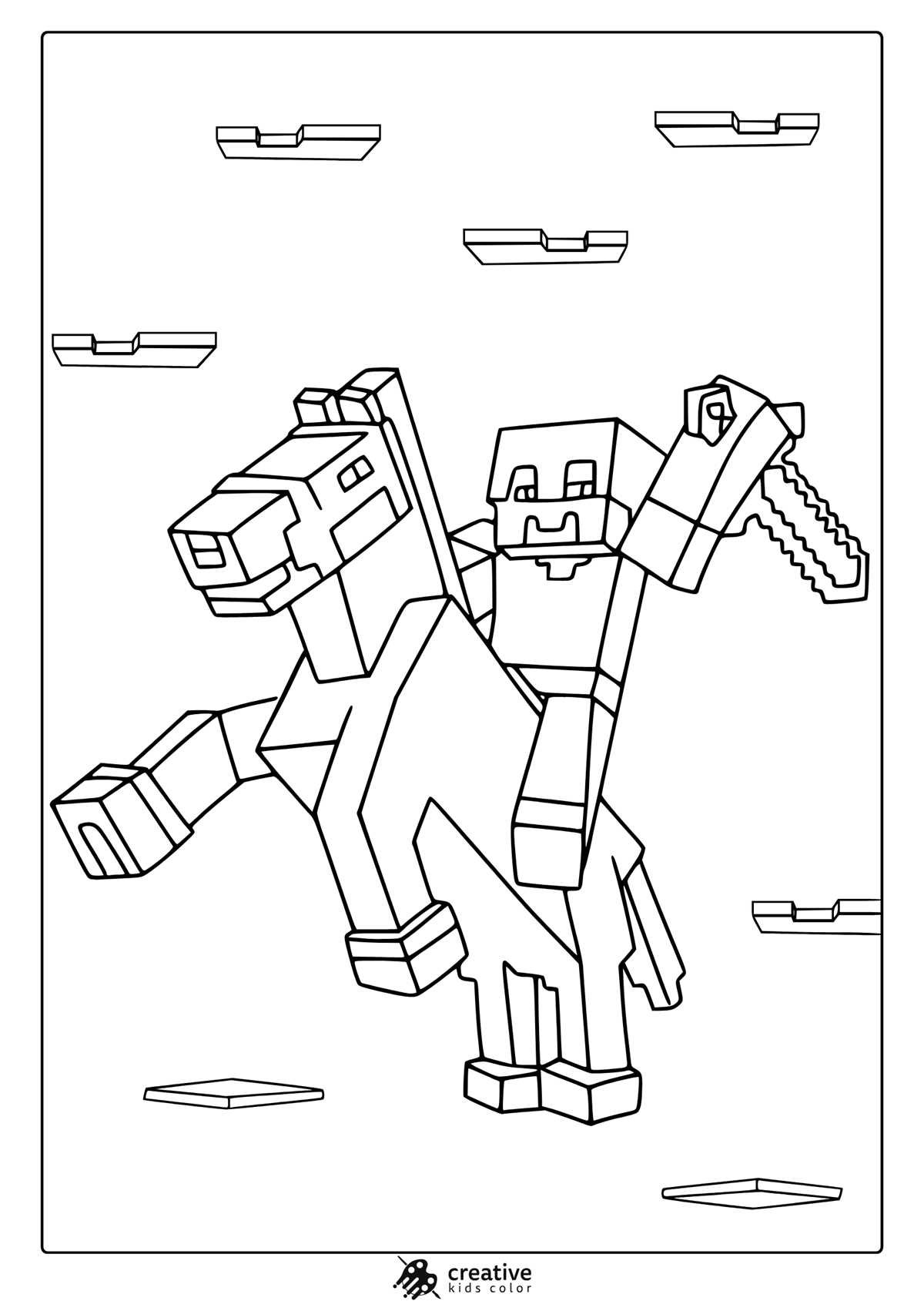
Coloring designs benefit from bold outlines at 2–3 pt stroke thickness. Thin lines often disappear on home printers. Avoid dark background fills that consume ink and reduce contrast with crayons or colored pencils.
Include build your own character grids sized 16×16 or 32×32 squares to practice symmetry. Ask students to mirror colors across the vertical centerline, which supports spatial reasoning and pattern recognition.
Store completed puzzle pages in labeled folders sorted by difficulty level. Clear categorization helps parents and teachers assign tasks quickly and track progress without reviewing each printed set individually.