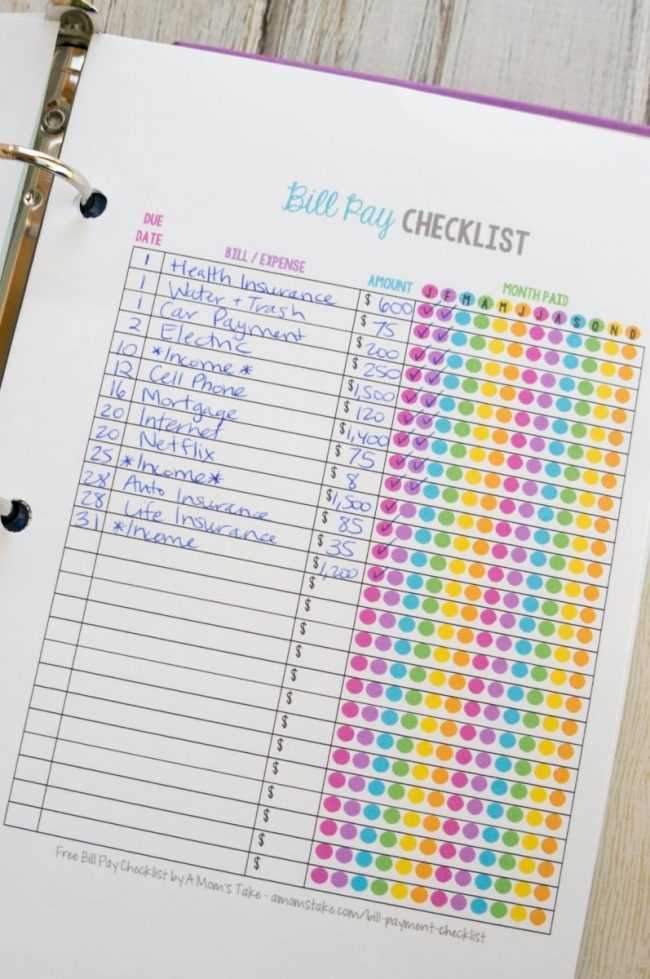
Key Steps to Stay on Track
To avoid late fees and ensure that all payments are made on time, it’s crucial to organize and keep track of your regular financial commitments. Begin by noting down all due dates for your monthly obligations. A physical or digital format that allows for easy updating is best for keeping accurate records.
List All Obligations
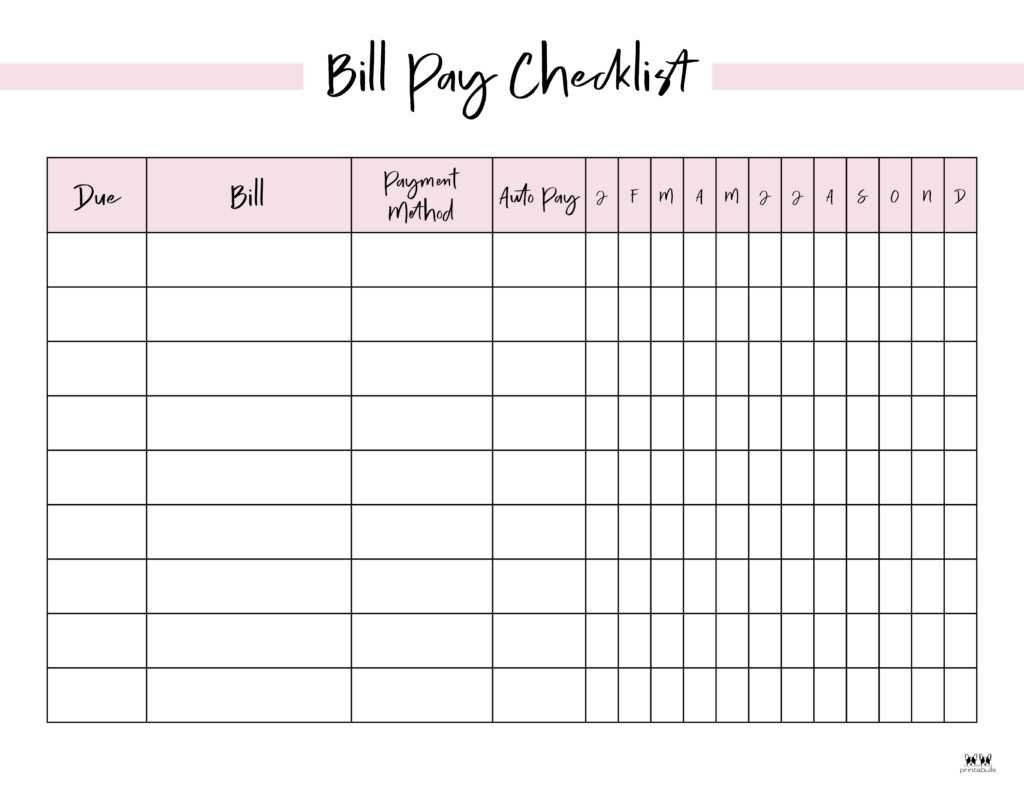
- Rent or mortgage payments
- Utility services (electricity, water, gas, internet, etc.)
- Loan installments (car, student, personal, etc.)
- Insurance premiums (health, life, home, etc.)
- Subscriptions (magazines, apps, streaming services, etc.)
Set Clear Deadlines and Amounts
Each item on your list should have a specific payment amount and a due date. Mark these on your calendar or digital planner with reminders to ensure you never miss a payment. Be sure to check your bank account or payment history to confirm the correct amount for each one.
Track Your Payments
Once an obligation is settled, mark it off your list. This provides a visual confirmation that everything has been paid, helping to reduce the stress of remembering. It also helps you avoid unnecessary late fees.
Other Tips for Better Money Management
- Automate payments: Set up automatic transactions for bills that stay the same each month, like rent or insurance, to reduce the chance of forgetting.
- Set a budget: Keep track of your income and expenses to ensure that you’re not overspending in any one category. This gives you more control over your finances.
- Review monthly expenses: Regularly check for changes in pricing or new subscriptions that might have been added. Cancel any that are no longer needed.
Efficient Expense Management Tracker
Organize your financial obligations by setting a consistent timeline for each transaction. Assign due dates for rent, utilities, subscriptions, and loan installments, keeping them in separate categories. This allows you to plan ahead, ensuring that you don’t miss any critical payments. Color-code different types of expenses to easily identify urgent or recurring payments, making sure they get prioritized accordingly.
Set reminders for each due date and include a section to mark the payment status, such as “paid” or “pending.” This will help keep your records up to date and avoid unnecessary late fees. For additional clarity, note the amounts and methods of payment, and double-check any adjustments for fees or changes in billing. Tracking every transaction in this manner will provide a clear overview of your finances and reduce the risk of forgetting any important duties.