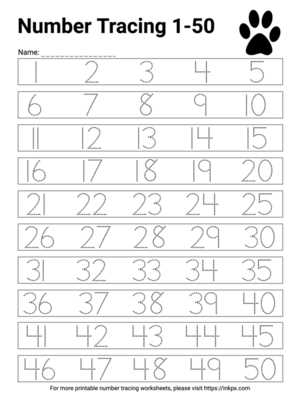
For beginners or those reinforcing basic skills, a clear, structured guide displaying numbers from 1 to 50 offers immediate access for learning. This tool is ideal for improving recognition and understanding of numerical sequences. It provides an easy reference, which helps learners visually connect each value in the series, making memorization smoother.
This tool also serves as a foundation for developing early math skills, such as addition, subtraction, and counting. It is particularly effective in helping children or new learners grasp the order of numbers and see how each one builds upon the previous. Having this reference close at hand accelerates learning by reducing the need for constant verbal reminders or searching through books.
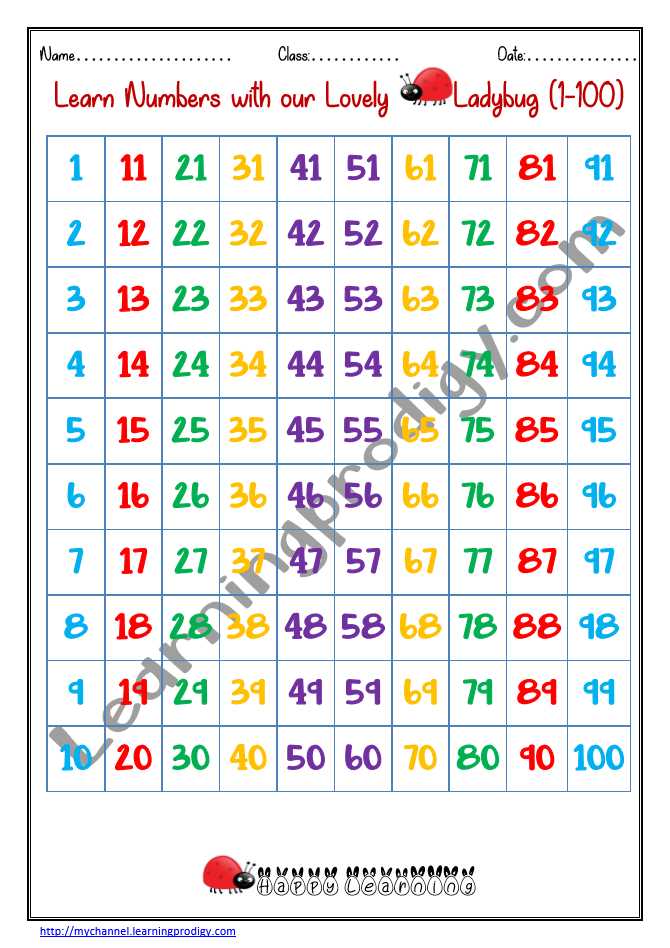
In classrooms or at home, it is a practical addition for worksheets, posters, or daily practice. Whether using it to teach simple math concepts or as a visual prompt, it can be a reliable resource that encourages independent learning while providing a straightforward way to track progress.
Numbering Guide 1-50 for Kids
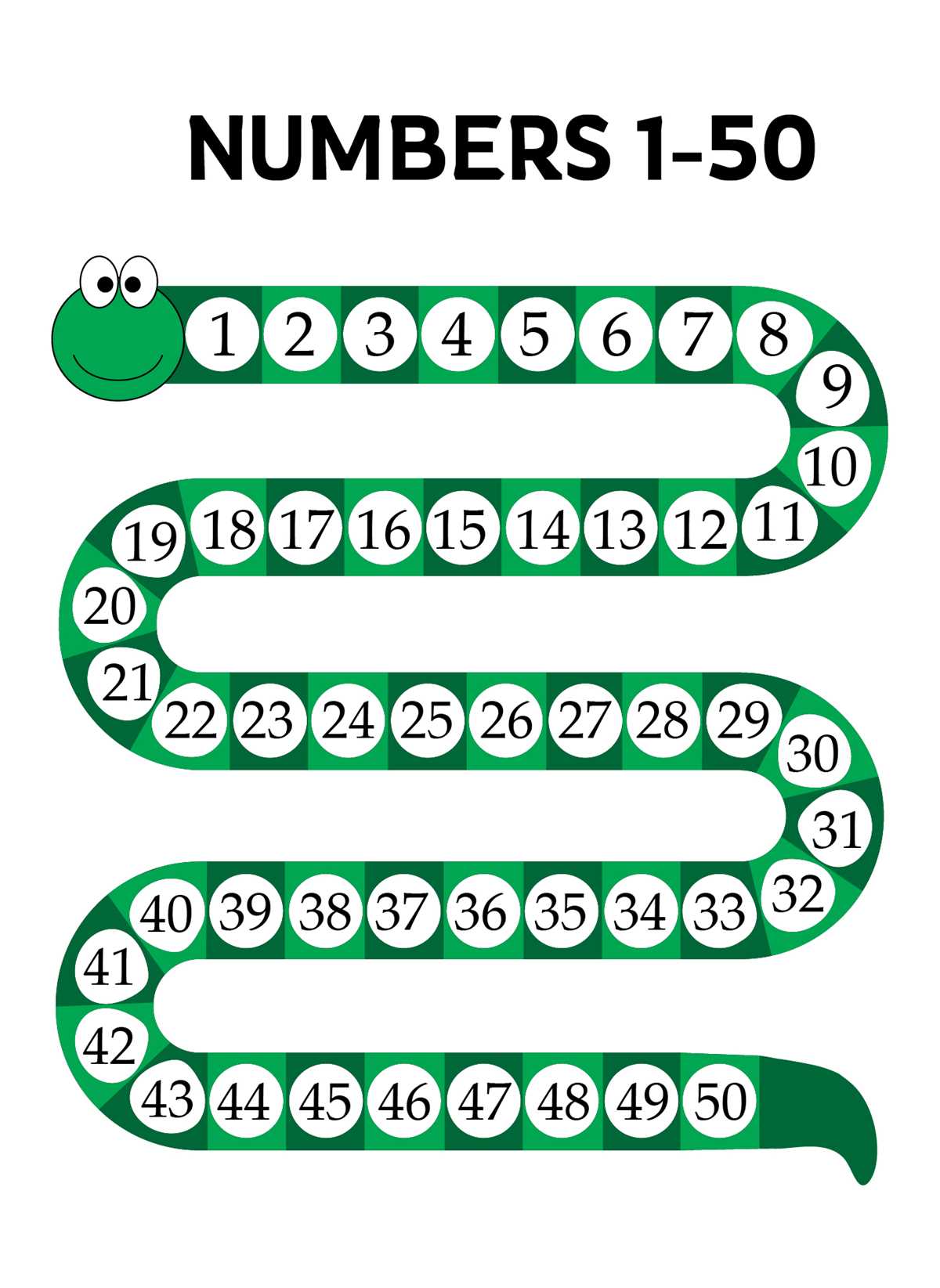
To enhance learning for young children, creating a visual guide that lists values from 1 to 50 can be highly beneficial. This reference tool helps improve counting skills and number recognition. It can be placed in areas where kids can easily spot it, like near their study table or play area.
Each digit can be arranged in rows, with clear and legible font, so kids can easily differentiate between numbers. Grouping the numbers in rows of ten makes them less overwhelming and supports easy memorization. For example, numbers 1-10 can be on one line, followed by the next 10 in sequence. This structure mimics how they’ll encounter numbers later in mathematics, fostering early learning patterns.
Incorporating visuals alongside the figures can also be helpful. For instance, associating each number with an object or shape (like 1 apple, 2 oranges, etc.) can strengthen their understanding. This aids in connecting abstract symbols with real-life concepts, making it more engaging for younger learners.
In addition, this reference can be used for various activities. When practicing skip counting or simple addition, kids can point to the appropriate numbers on the guide. This tactile interaction encourages active participation, making the experience more interactive and memorable.
Consider printing the guide in color for visual appeal. Bright shades of blue, red, and green make it stand out and keep children interested in the task. These colors also support cognitive development, as contrasting hues help kids differentiate between the numbers more easily.
Finally, a laminated version offers longevity and usability. By using a durable material, you ensure that it can withstand repeated handling, and it can be wiped clean for future use. This method not only saves resources in the long run but ensures that the tool remains an effective educational aid over time.
HTML
How to Create a Simple Number Chart for Kids
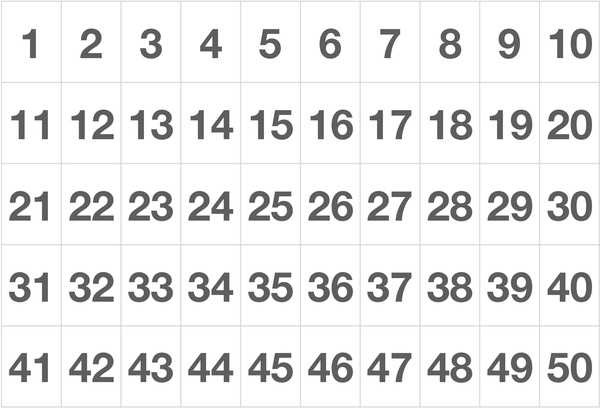
For younger learners, a visual tool with numbers in sequence is one of the best ways to enhance counting skills. Start by organizing the figures in rows and columns, making the layout neat and easy to follow. Avoid cramming too many digits into each line. Group the numbers in sets of five or ten for a clear visual structure. This format helps children focus on smaller blocks instead of getting overwhelmed by a long string of digits.
Choose a simple, legible font when creating the rows. Use large characters to ensure that the numbers are easy to spot. Avoid overly decorative or complex fonts, as they can confuse children just beginning to learn. Ensure that the spacing between each number is consistent, which will help young learners follow the order more easily. Keeping the format simple aids in developing a natural flow in counting.
- Start with numbers 1 to 10 in the first row.
- Continue with 11-20 in the next row, and so on.
- Incorporate bold or colored numbers for emphasis, but don’t overdo it.
- Leave enough space for the child to interact with the material, such as by circling or pointing to each figure as they say it aloud.
To keep kids engaged, introduce fun shapes or images around the figures. Stick to simple patterns like circles or stars that won’t distract from the task at hand. Keeping the layout free from unnecessary clutter will ensure children can focus on the activity without losing track of the sequence. A well-designed setup promotes better retention and quicker mastery of basic counting concepts.