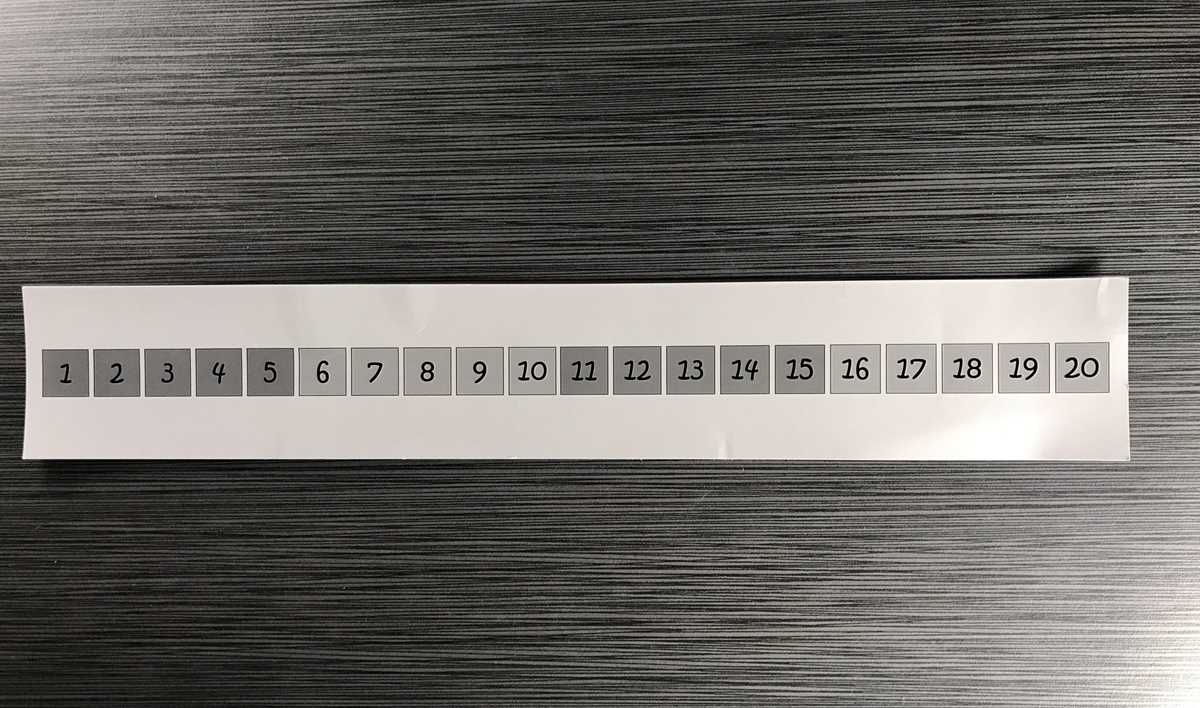
To teach children how to count from 1 to 20, use a visual aid with numbers clearly marked in a row. This simple tool supports number recognition and reinforces counting skills.
Steps to Print and Prepare the Number Chart
Begin by printing a chart that shows numbers from 1 to 20 in a clear sequence. Choose a design that aligns with the child’s learning style–either using large, bold numbers or adding visual cues like colors or pictures to make each number stand out.
Once printed, laminate the chart to preserve it for repeated use. You can also make multiple copies and cut them into strips for interactive learning activities like sequencing or matching games.
Suggestions for Displaying the Chart
Place the chart in a visible area where the child can easily reference it, such as on a wall or above their study table. This visual reference helps build confidence as they move from one number to the next.
Engaging Activities with the Counting Guide
Once your chart is printed and ready, integrate it into everyday activities. For instance, during playtime, encourage children to hop or step on each number as they count aloud. This kinesthetic method connects physical movement to counting, making learning more interactive.
Interactive Counting Games
- Number Matching: Use cards or objects labeled with numbers and ask the child to place them in the correct order according to the chart.
- Hopscotch Counting: Use the number chart to create a hopscotch grid, where the child jumps from one number to the next in sequence.
- Skip Counting: Teach children to skip count by twos or fives using the same number guide to introduce patterns and multiplication concepts.
Incorporating these activities will make learning fun and practical, reinforcing counting in both structured and casual settings.
Printable Counting Sequence from 1 to 20
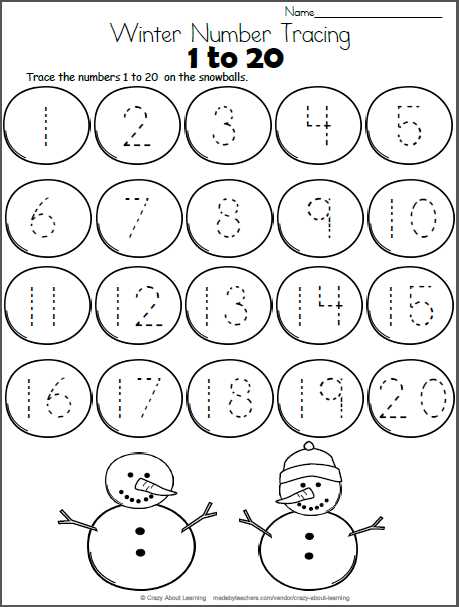
To begin, print a clear sequence of digits from 1 to 20 in large, bold font. This helps young learners easily identify and follow the numbers. Use contrasting colors to make each digit stand out, which can improve focus and retention.
For better engagement, consider adding small icons or visuals next to each number. For example, a small apple next to the number 1 or a ball next to number 2. These images connect counting to real-world objects, making it easier for children to visualize quantities.
Once you have the sequence, place it in a location where children can see and interact with it daily. This could be above their desk, on a wall in their play area, or on a bulletin board. Having the guide visible will help them internalize the counting sequence through repeated exposure.
Incorporate hands-on activities by printing multiple copies of the chart. You can cut out the digits and mix them up, encouraging children to arrange them in the correct order. This helps reinforce their understanding of sequence and number relationships.
Interactive games like counting aloud while stepping on each number on the guide encourage movement and learning. This method taps into kinesthetic learning, making it fun for children to physically engage with the counting process.
For more advanced learning, you can highlight patterns, such as counting by twos or fives. This sequence can serve as a foundation for teaching more complex math concepts as the child grows, making it a versatile tool for early education.