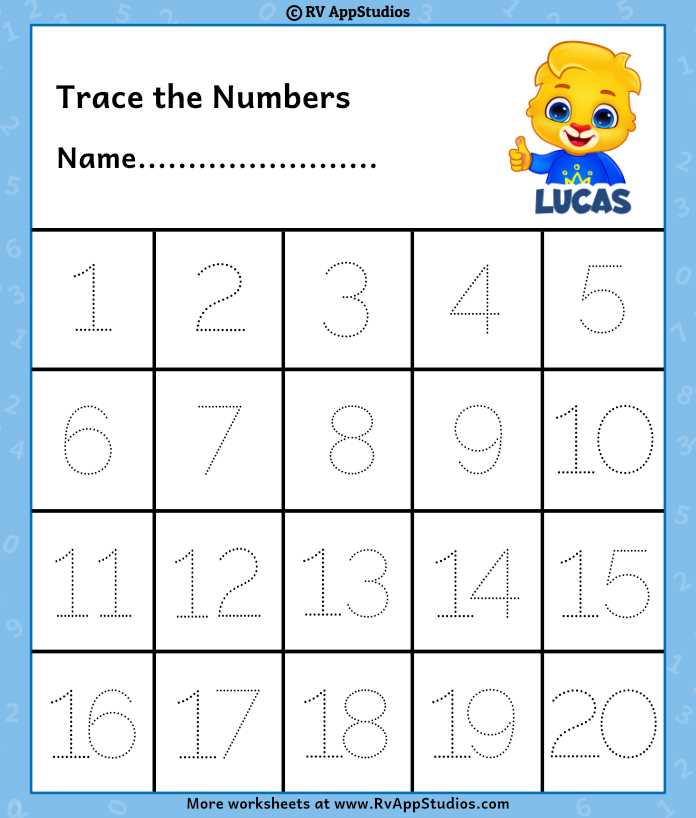
Start by designing simple tasks where children can trace or write down digits. Use large, clear symbols for early learners and make sure there’s enough space for practice. You can include exercises that help children learn to recognize the shapes of symbols while simultaneously writing them. Focus on easy, bold designs that guide the hand and allow for smooth, consistent movements.
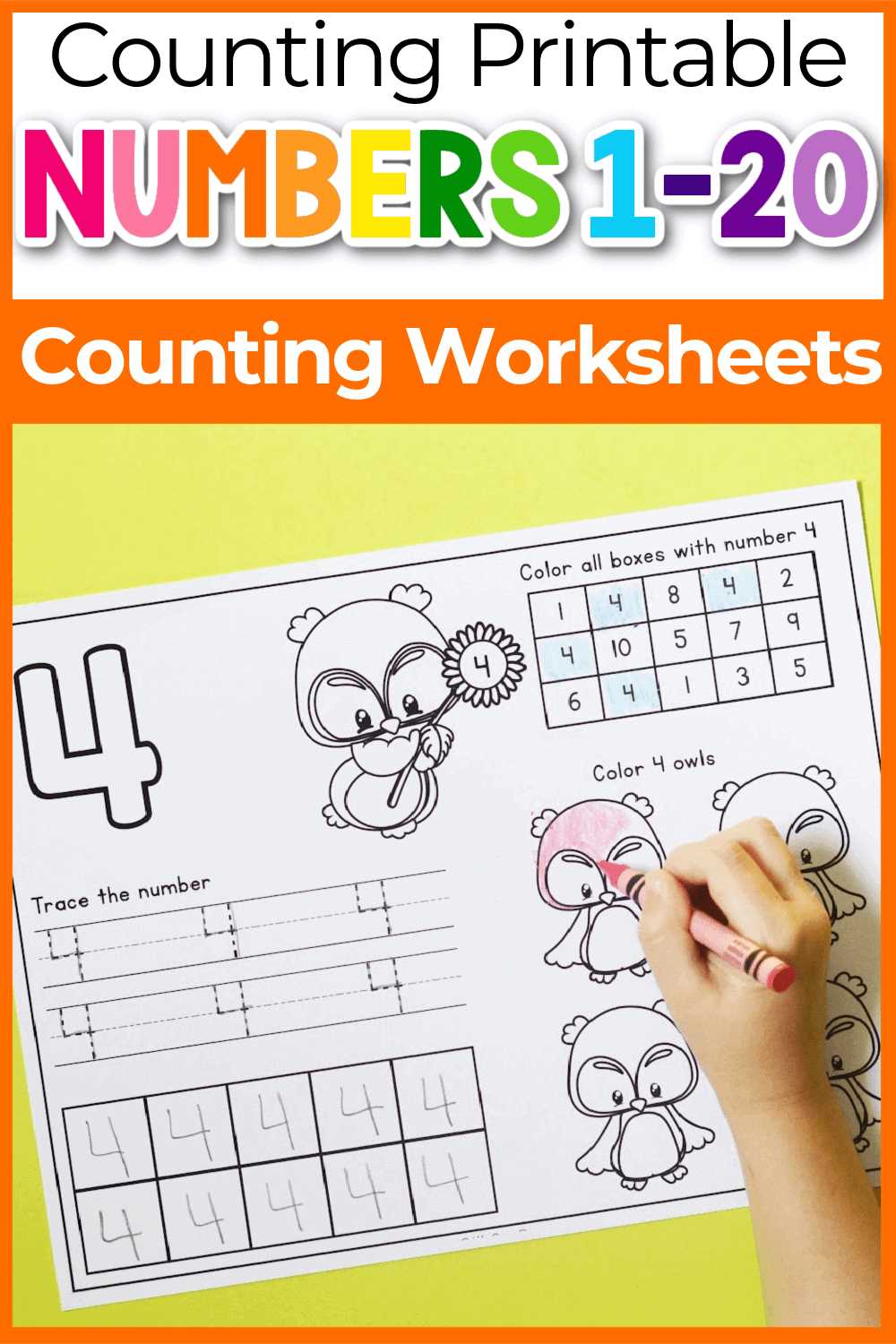
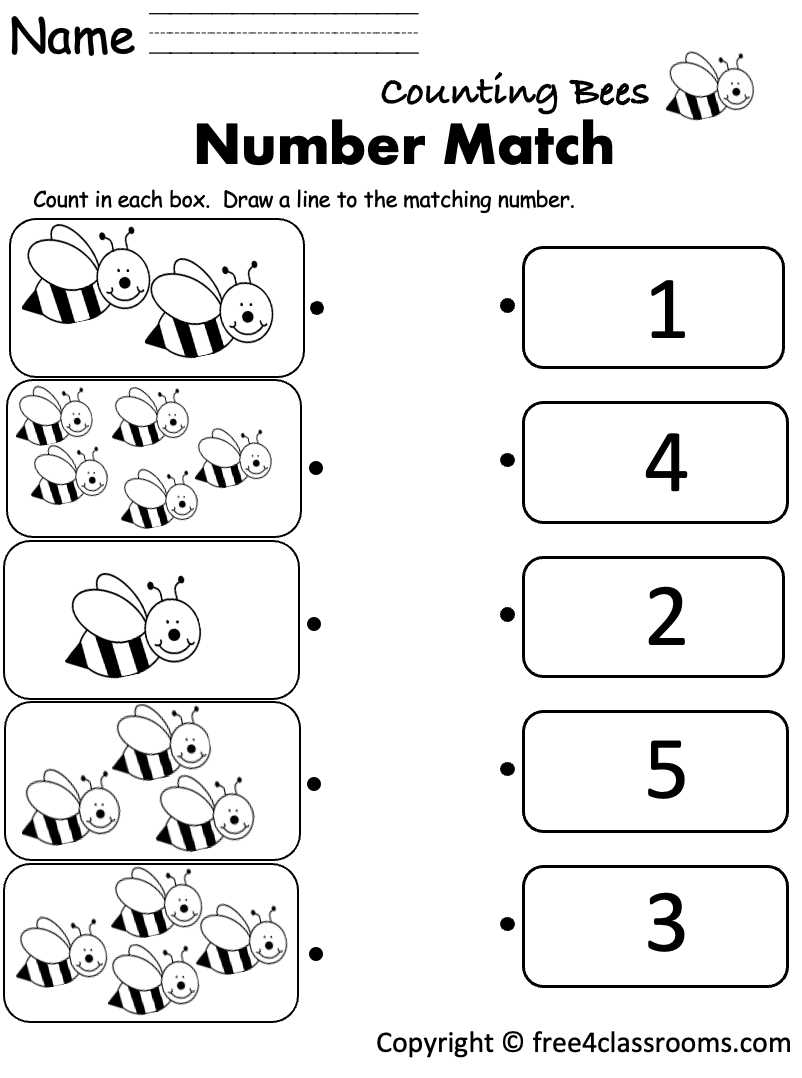
Another great activity is matching. Create a set of exercises where children can match a symbol to the correct quantity of objects. For example, a picture of three apples should be linked to the number 3. This reinforces the connection between written symbols and real-world items, making learning both fun and practical. You can also add simple counting tasks, where they need to count out specific items and write the corresponding figure next to them.
Interactive Tasks for Number Recognition and Writing Practice
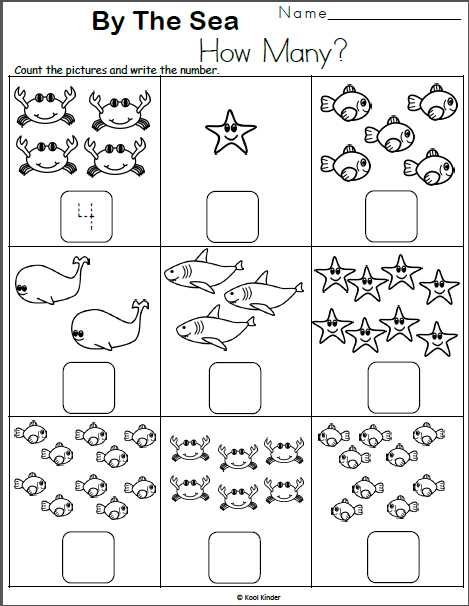
To boost recognition, use a combination of tracing and free writing. A good exercise is to have children trace over printed symbols, then fill in the spaces on their own. This helps to develop motor skills while reinforcing the proper shape of each symbol. Once they become confident in their tracing, encourage them to write the digits independently. Include a variety of exercises, such as connecting numbers in a sequence or finding the correct number after being given a hint, like “one less than five.”
Creative Number Activities to Strengthen Learning
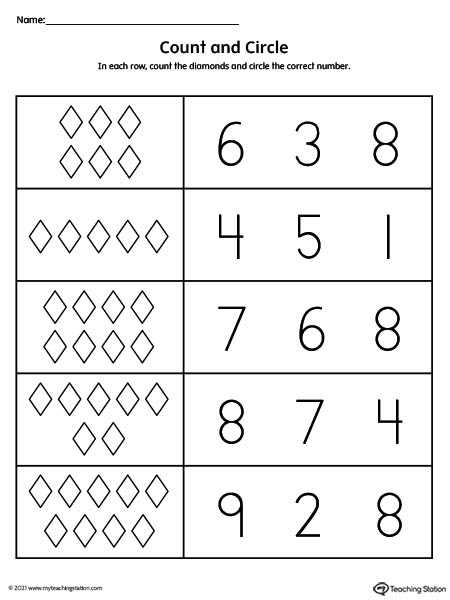
- Number Games – Play simple games like bingo or card matching with figures to enhance recognition while making learning playful.
- Color and Count – Let children color in pictures while counting objects like stars, trees, or cars, linking their counting skills with fun activities.
- Write and Match – Ask them to write a number and then match it with the correct quantity of items or shapes on the page.
These interactive activities transform a simple task into an enjoyable experience, improving engagement and retention of new skills. The more variety you introduce in the exercises, the more enjoyable the process will be for young learners, ensuring they stay excited about the next challenge.
Creating Engaging Practice Sheets for Counting and Writing
Start with simple tasks that focus on shape recognition and motor skills. Use large and clear symbols for early learners to trace. Ensure the lines are bold enough to guide children through the writing process, giving them a tactile experience that strengthens their hand-eye coordination. Include spaces for them to write the symbols after tracing, allowing them to practice independently.
Incorporate various exercises that combine recognition and practical application. For example, create activities where kids match written symbols to real-world objects. Pairing each symbol with a corresponding number of items, like dots or stars, can help reinforce the connection between the concept and its representation in everyday life. This visual connection aids memory and recognition.
Provide exercises where children can fill in missing figures in a sequence. For instance, give a row of numbers with one or two missing, and ask them to complete it. This activity not only reinforces counting but also enhances logical thinking and pattern recognition. Encourage them to say the figures out loud as they write to further solidify their understanding.
Another way to make learning fun is by introducing creative themes. For instance, use animals, fruits, or vehicles in your practice exercises. Each sheet could feature pictures of these items along with corresponding symbols, creating a story around the numbers. This adds an element of excitement and keeps kids engaged while they learn.
Vary the complexity of the tasks as children progress. For younger learners, use simple, straightforward exercises. As they gain confidence, add challenges such as writing numbers in both directions or counting backward. Including more complex tasks helps children gradually improve their cognitive and writing abilities, keeping them motivated as they see their progress.
Finally, encourage repetition. Repeated practice allows children to gain mastery over the task at hand, and it helps them retain the information. Make sure to mix up the exercises so that each one feels fresh, and allow for breaks between tasks to keep their focus sharp. By maintaining a balance of fun and learning, children will enjoy building their skills over time.