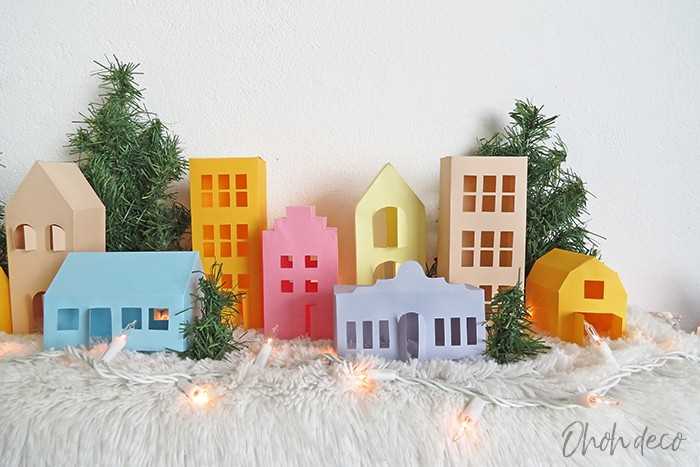
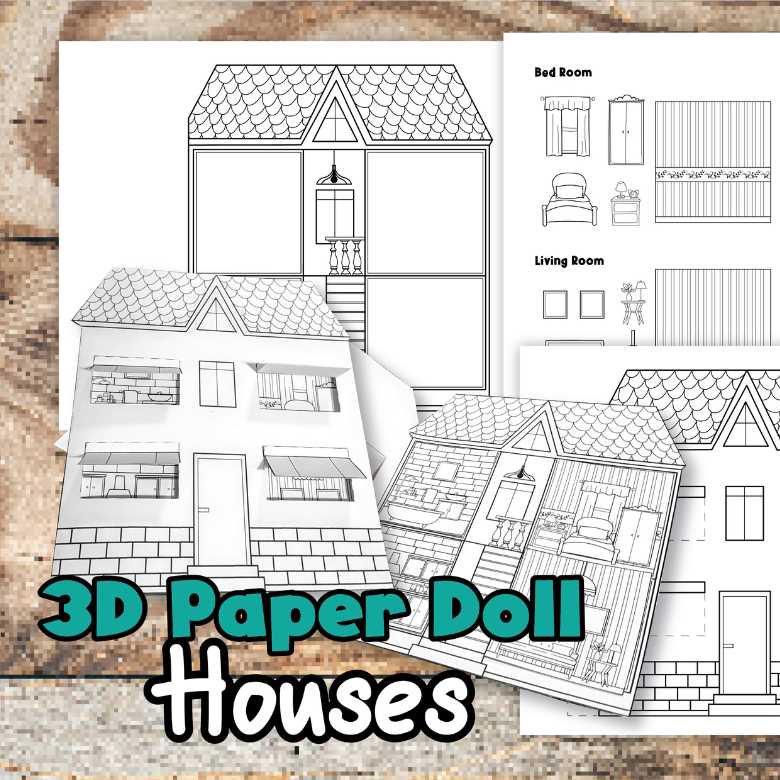
If you’re looking to create miniature buildings for a fun, hands-on project, start with templates that offer pre-designed layouts. You can find templates for different types of buildings, from cozy cottages to elaborate mansions, ready to be cut and folded into shape. These models are perfect for both beginners and those looking for a detailed craft challenge.
Steps to Print and Assemble Your Models
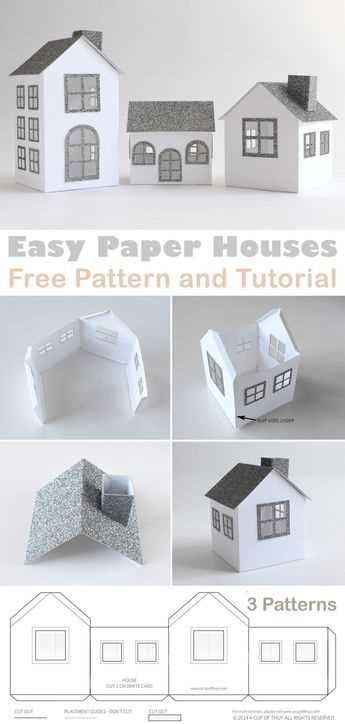
Start by selecting your desired design and downloading it from a reliable source. Once you have your file, print it out on sturdy cardstock for better durability. Follow these steps:
- Print the Template: Choose the right type of paper for durability. Thick cardstock (at least 200 gsm) is recommended to ensure your structure holds together well.
- Cut Along the Lines: Use a sharp pair of scissors or a craft knife to precisely cut the parts of the structure. Take your time to follow the outlines to avoid any mistakes.
- Fold the Edges: Lightly score along the fold lines using a bone folder or the back of a knife. This will make the folds clean and sharp, ensuring a neat assembly.
- Assemble the Pieces: Apply a small amount of glue to the edges and press them together firmly. Use paper clips or small clamps to hold the pieces in place while they dry.
Choosing the Right Design
There are numerous designs available online, ranging from simple models to more intricate buildings. If you’re a beginner, choose a basic structure with fewer parts. As your skills improve, you can try more complex designs that require additional steps, such as layering walls or adding decorative elements.
Personalizing Your Miniature Models
Once your building is assembled, it’s time to make it your own. Here are some ideas to add a unique touch to your creation:
- Painting: Use acrylic paints to color your model. Consider adding weathered effects, like moss or fading paint, for a more realistic look.
- Adding Texture: Use fabric scraps for roof shingles or create brick patterns with a fine-tip marker. Embellishing the exterior with details will give your model more character.
- Landscaping: Place your structure on a piece of green felt to simulate grass, or surround it with tiny trees and bushes made from foam or wire.
Common Mistakes to Avoid
- Skipping the Scoring Step: Forgetting to score the folds can lead to uneven edges and a messy finish.
- Using Low-Quality Paper: Thin paper won’t hold the shape of your structure and may cause it to collapse easily. Stick to thicker, high-quality materials.
- Not Allowing Proper Drying Time: Rushing through the drying process can cause the glue to dry unevenly, resulting in weak seams.
By following these tips, you’ll be able to create small, charming structures that are both durable and visually appealing. Whether for a school project, a fun weekend activity, or a decorative display, these little buildings can become a great addition to your craft collection.
Creating Detailed Models from Templates
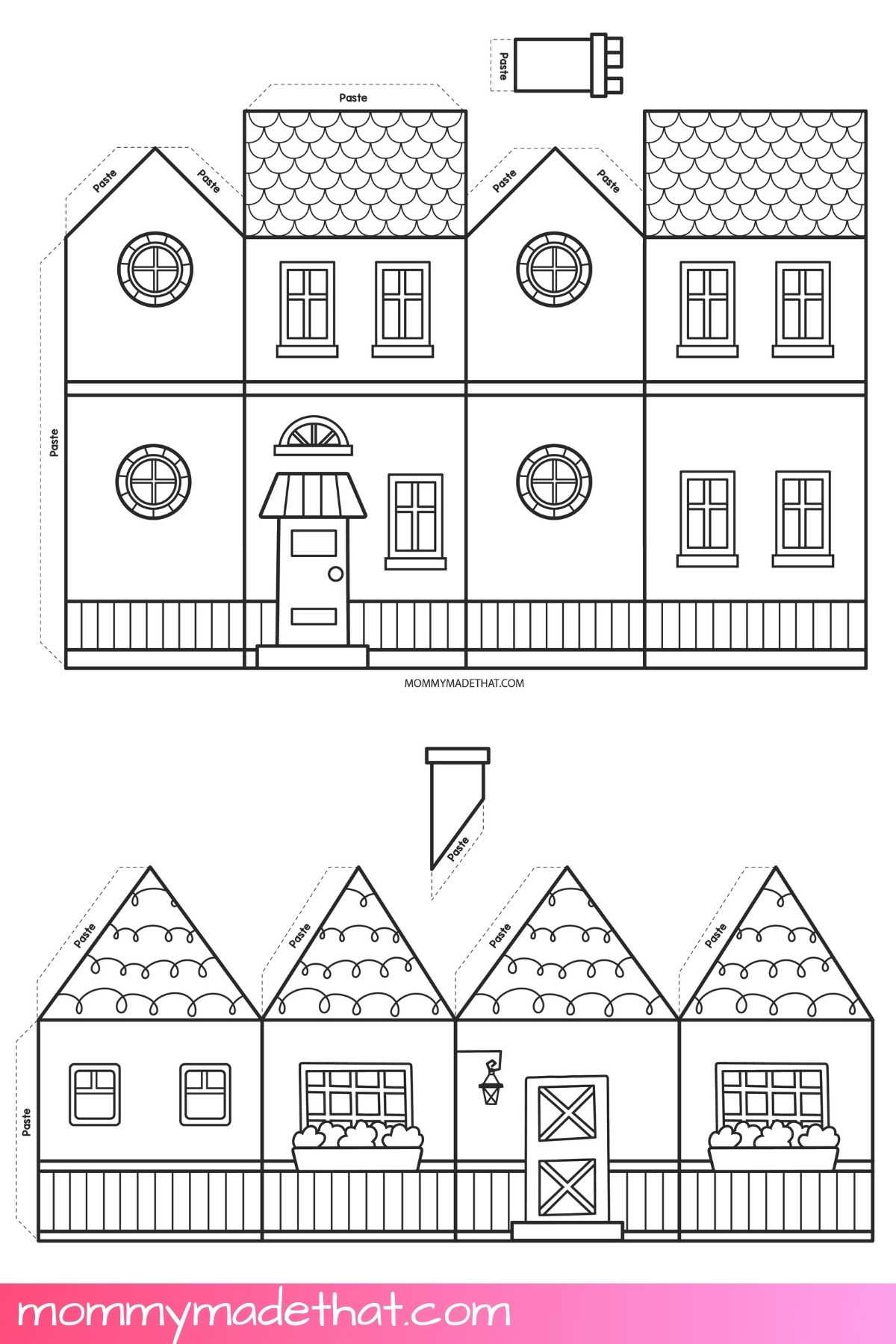
To begin crafting small structures from templates, start with downloading designs that offer the best fit for your project. Ensure the templates are printed on sturdy cardstock, which will provide the necessary durability for constructing a stable model.
Next, carefully cut out the pieces following the provided outlines. A precision craft knife works better than scissors for detailed edges. Take extra care with intricate designs, such as windows or door frames, which can be fragile when cut with scissors.
When assembling the model, make sure to score the fold lines before bending them. This will help create sharp, clean folds that result in a more professional appearance. Use a bone folder or even a dull knife for scoring the paper accurately.
After assembly, ensure the glue dries completely before moving to the next step. You might need to hold the pieces together with clips or rubber bands until the adhesive sets. Rushing through this stage can result in misalignment or weak joints.
For added detail, consider adding textures. Use fabric pieces for shingles or create faux brickwork by drawing patterns with fine-tipped pens. These extra touches give the structure a more realistic and polished look.
Another option is to decorate your model with miniature accessories. Small trees, pathways, and furniture can be crafted from various materials such as foam, fabric, or wire. These additions help bring your creation to life and add more visual interest.
Lastly, when displaying your miniature structures, consider the surrounding environment. Positioning them on a backdrop of green felt or small artificial plants can help to enhance the overall effect, giving the illusion of a completed scene.